2021 Chevy Silverado Common Problems and Reliability Issues Explained
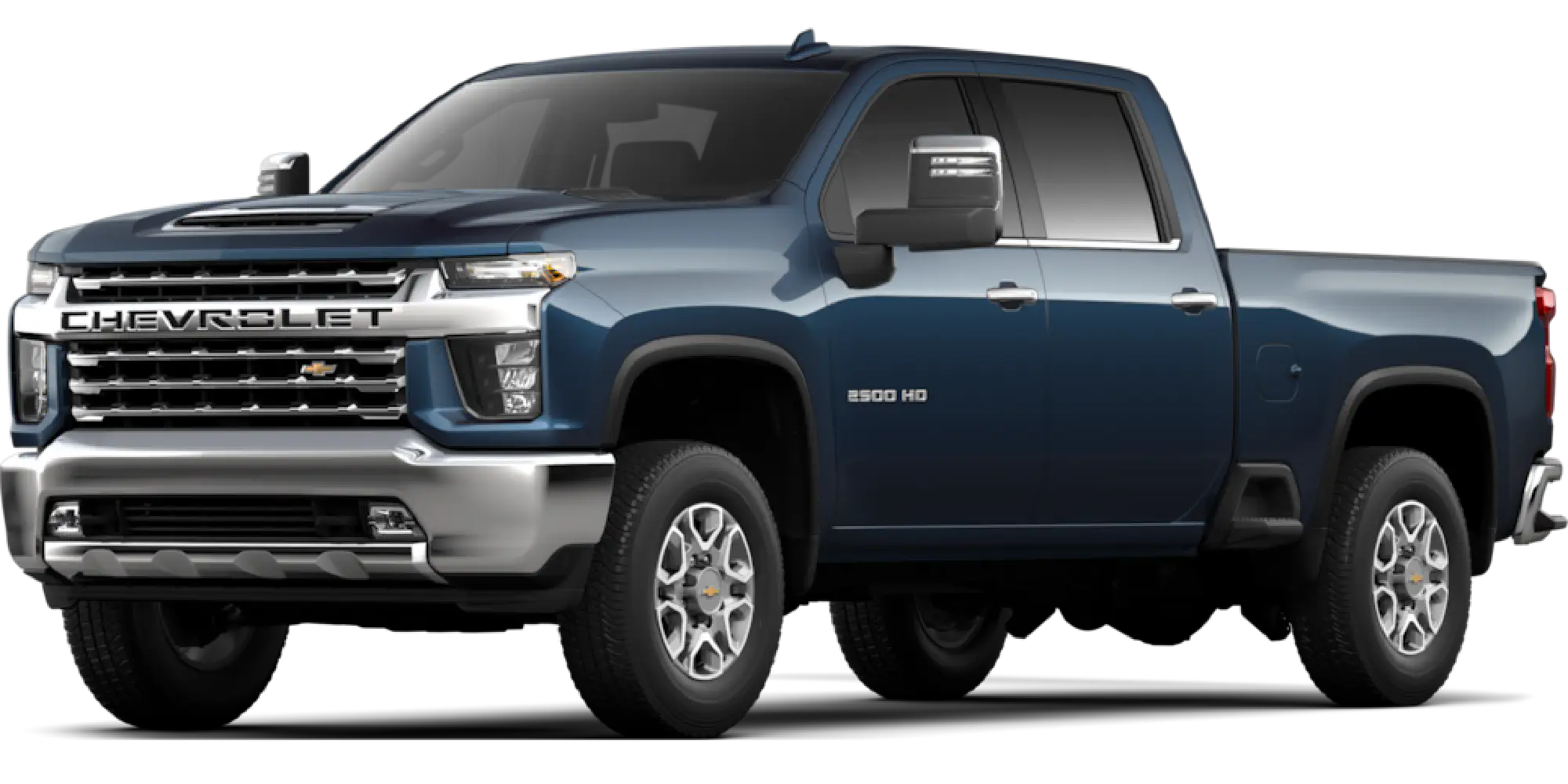
2021 Silverado recalls are an important topic for owners who want to understand potential safety concerns, repair costs, and warranty coverage. Whether you drive a Silverado 1500, 2500HD, or 3500HD, staying informed about recalls and technical service updates can help you protect your truck and avoid unexpected expenses.
Chevrolet’s full-size trucks are known for capability and durability, but like any modern vehicle, they are subject to occasional factory recalls and service campaigns. Below, we break down the Silverado recall list, explain common issues, outline possible repair costs, and review how warranty coverage may apply.
Several Silverado safety recalls have been issued for the 2021 model year, depending on production date and configuration. Recalls are issued when a defect relates to motor vehicle safety and must be corrected by the manufacturer at no cost to the owner.
Common recall categories for the 2021 Silverado have included:
| Recall Area | Potential Issue | Safety Risk | Repair Cost to Owner |
|---|---|---|---|
| Seat Belt Anchors | Improperly secured or installed hardware | Increased injury risk in crash | $0 if recall-related |
| Airbag System | Faulty inflator or warning system malfunction | Airbags may not deploy properly | $0 if recall-related |
| Fuel System Components | Potential fuel leak from connection points | Fire hazard | $0 if recall-related |
| Rearview Camera | Intermittent or blank display | Reduced visibility when reversing | $0 if recall-related |
Owners can complete a Silverado recall check using their VIN through Chevrolet’s owner portal or the NHTSA recall website. This ensures you are reviewing recall information specific to your truck.
While not every truck is affected, certain patterns have appeared in owner reports and recall documentation. Electrical system glitches, camera display failures, and restraint system concerns are among the more frequently discussed Silverado safety recalls.
For example, a malfunctioning rearview camera may display a blank or flickering image. Because backup cameras are federally required safety equipment, any failure that reduces visibility can trigger a recall.
Similarly, seat belt or airbag-related recalls are taken seriously due to the potential impact on occupant protection. Even minor hardware installation errors during assembly can result in a formal recall if safety standards are not met.
It is important to separate recalls from general reliability concerns. Recalls address safety-related defects. Other issues may instead fall under warranty repairs or technical service bulletins.
Repairs performed under an official recall are completed at no charge to the vehicle owner. That includes parts and labor at an authorized Chevrolet dealership.
However, if a concern is not part of an active recall, diagnostic time can range from $150 to $250 depending on labor rates. Electrical troubleshooting or advanced driver assistance system calibration may increase costs.
Out-of-pocket repair costs outside recall coverage can include:
| Component | Approximate Repair Cost |
|---|---|
| Rearview Camera Replacement | $500 – $900 |
| Airbag Module Replacement | $1,000 – $1,800 |
| Fuel Line Repair | $400 – $1,200 |
| Seat Belt Pretensioner | $600 – $1,200 |
These estimates vary by region and configuration. Trucks equipped with advanced safety packages may involve additional calibration costs after repairs.
Checking for 2021 Silverado recalls is straightforward. Locate your VIN on the dashboard or driver-side door jamb and enter it into the official Chevrolet recall lookup tool or the NHTSA website.
A Silverado recall check will show open recalls that have not yet been completed. If no recalls appear, your truck may still have past recalls that were already repaired.
Owners should also ensure their contact information is current with Chevrolet. Recall notices are typically mailed to the registered owner of record.
Technical Service Bulletins, often called TSBs, are communications issued by manufacturers to dealership technicians. A TSB outlines known issues, updated repair procedures, or revised parts information for specific conditions.
Unlike recalls, TSB repairs are not automatically free. Coverage depends on whether the vehicle is still within the factory warranty period or protected by extended coverage.
You can find TSB reports through the National Highway Traffic Safety Administration (NHTSA) website by searching your vehicle year, make, and model. Some manufacturer owner portals also provide access to service bulletins or summaries.
Staying proactive can reduce the risk of non-recall repairs. Regular software updates, scheduled maintenance, and prompt attention to warning lights can prevent small issues from becoming expensive problems.
Keep service records organized and address unusual noises, warning messages, or electrical glitches early. Many Silverado concerns begin as intermittent issues before becoming more severe.
If your truck is nearing the end of its 3-year/36,000-mile bumper-to-bumper warranty or 5-year/60,000-mile powertrain warranty, evaluating long-term coverage options becomes especially important.
Factory recalls correct specific safety defects, but they do not extend overall warranty coverage. Once the original GM warranty expires, most repairs become the owner’s responsibility.
Extended warranty plans can help cover major components such as electronics, fuel systems, steering, suspension, and advanced driver assistance systems.
Granger Warranty offers factory-backed protection plans for Chevy, Ford, Toyota, and other major brands. Owners can review options and pricing directly at Grangerwarranty.com to compare coverage levels and deductible choices.
For Silverado owners planning to keep their truck long term, additional coverage can provide predictable repair costs and nationwide service at authorized dealerships.
Enter your VIN into an official Silverado recall check tool through Chevrolet or NHTSA. Results will show open recalls specific to your vehicle.
Yes. Safety recalls are repaired at no cost to the owner when performed at an authorized dealership.
A recall addresses a safety defect and is mandatory to repair. A TSB provides service guidance for known issues but is only covered if the vehicle is under warranty.
You can sell it, but unresolved recalls may affect buyer confidence. Completing recall repairs before selling is generally recommended.
Extended warranties do not replace recalls, but they may cover related components if a failure occurs outside recall parameters and after the factory warranty expires.
Recalls are designed to address specific safety concerns, but long-term ownership involves more than recall repairs. Electronics, cameras, fuel systems, and driver assistance features can become costly as trucks age.
Reviewing extended coverage options through a trusted provider like Granger Warranty can help Silverado owners plan ahead. Explore factory-backed plans and nationwide protection options at Grangerwarranty.com to keep your truck covered well beyond standard warranty limits.
Stay up to date with the latest news from Granger Warranty