AFM and DFM Disablers vs. Full Delete on GM V8s: What It Does to Reliability and Warranty Coverage
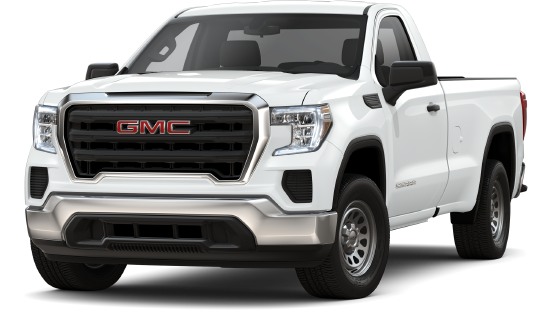
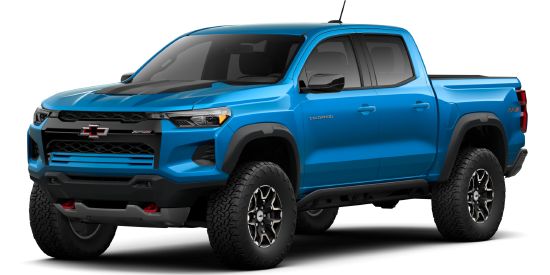
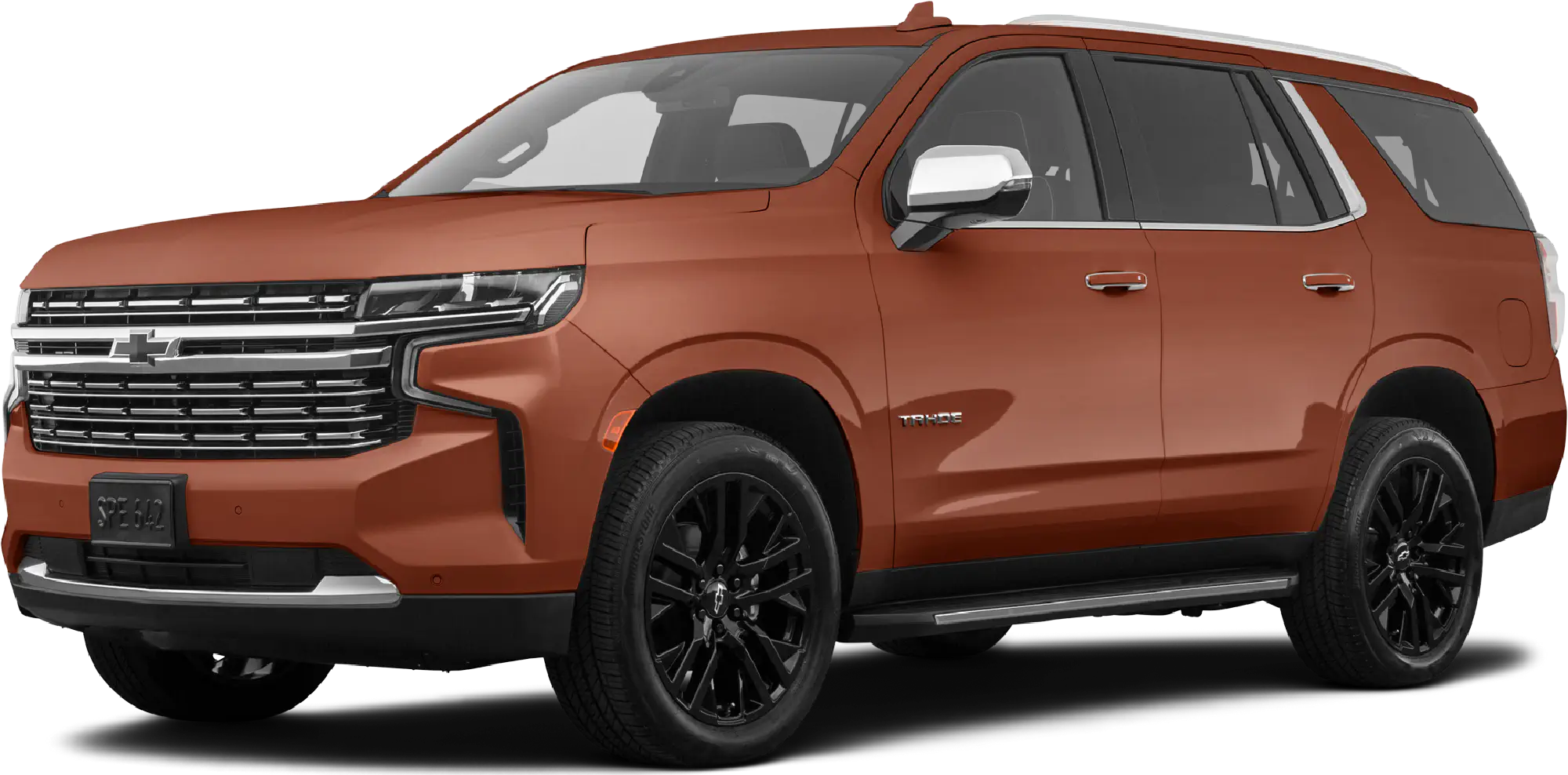
Owners of Chevrolet Silverado, GMC Sierra, Chevrolet Tahoe, GMC Yukon, and Cadillac Escalade models equipped with GM V8 engines frequently encounter discussions about Active Fuel Management (AFM) and Dynamic Fuel Management (DFM).
Both technologies were developed to improve fuel efficiency by allowing engines to operate with fewer active cylinders under certain driving conditions, but concerns about lifter failures and expensive engine repairs have prompted many owners to explore aftermarket modifications.
Among the most popular options are electronic AFM and DFM disablers, software-based deactivation, and complete mechanical deletion of the cylinder deactivation system. Although these approaches share a similar objective, they differ considerably in complexity, cost, long-term reliability, and potential warranty consequences.
Understanding those differences is particularly important for owners considering modifications while their factory warranty or extended vehicle service contract remains active. An AFM disabler warranty concern is not simply whether a device works, but whether its installation or operation could affect coverage if an engine component subsequently fails.
General Motors introduced Active Fuel Management to reduce fuel consumption during light engine loads, such as steady highway cruising. Under appropriate conditions, AFM temporarily deactivates four cylinders in compatible V8 engines, allowing the engine to operate in a four-cylinder mode before returning to full eight-cylinder operation when additional power is needed.
Dynamic Fuel Management represents a more sophisticated evolution of this technology. Rather than switching between fixed four-cylinder and eight-cylinder operation, DFM can select from multiple cylinder activation patterns based on engine load, speed, and driving conditions.
Both systems depend on specialized hydraulic lifters, oil pressure controls, and electronic engine management strategies. These components work together to temporarily interrupt valve operation in selected cylinders while maintaining smooth engine performance.
Problems can develop when a deactivation lifter fails to function correctly, becomes stuck, or experiences internal mechanical damage. Depending on the failure, symptoms may include ticking noises, rough operation, misfires, reduced engine performance, and illuminated check engine lights.
Although cylinder deactivation hardware receives considerable attention, not every GM V8 lifter failure is caused by AFM or DFM operation. Oil contamination, lubrication problems, manufacturing defects, and ordinary mechanical wear can also contribute to valvetrain damage.
That distinction matters because disabling cylinder deactivation does not necessarily eliminate the underlying causes of every potential engine failure.
An electronic AFM disabler is generally designed to prevent the engine from entering cylinder deactivation mode without physically removing the specialized lifters or other internal engine components. Many popular devices connect through the vehicle’s onboard diagnostic port, although compatibility and operating methods vary by manufacturer and vehicle.
When functioning as intended, a compatible disabler keeps all eight cylinders operating during normal driving conditions. Owners often choose these devices because they want consistent V8 operation without opening the engine or paying for extensive mechanical modifications.
Installation is typically straightforward, particularly compared with a complete mechanical delete. Some plug-in devices can also be removed without permanently altering the engine’s internal components.
Nevertheless, an electronic disabler does not replace the original AFM or DFM lifters. Those components remain inside the engine, along with the associated oil passages and mechanical hardware.
A lifter that is already damaged may continue deteriorating even when cylinder deactivation is disabled. Similarly, keeping the engine in eight-cylinder operation does not guarantee that a specialized lifter will never fail.
Electronic disablers may also affect fuel economy because the engine no longer uses its intended cylinder deactivation strategy. Actual differences depend on driving conditions, engine configuration, and the specific device.
Owners should verify compatibility before purchasing any device, particularly on newer DFM-equipped vehicles with more sophisticated engine management systems.
A full mechanical delete goes substantially further than installing an electronic disabler. Instead of merely preventing cylinder deactivation from activating, the modification removes or replaces the mechanical components responsible for that functionality.
A typical DFM delete GM engine conversion may involve replacing specialized lifters with conventional non-deactivation lifters, installing compatible lifter guides, changing the camshaft when required, and modifying associated oil control components.
Depending on the engine generation and conversion kit, technicians may also need to replace or modify the valley cover, oil control hardware, and other related components. Engine control module calibration changes are generally necessary to ensure the modified engine operates correctly without cylinder deactivation.
Because the work involves substantial engine disassembly, a complete delete is considerably more labor-intensive than installing a plug-in disabler.
For some engines, accessing the lifters requires removing cylinder heads and multiple surrounding components. A complete conversion may therefore resemble a significant valvetrain repair rather than a simple aftermarket accessory installation.
The primary mechanical advantage is that the specialized deactivation lifters are replaced with conventional components. This eliminates the original cylinder deactivation mechanism as a potential source of failure when the conversion is performed correctly.
A mechanical delete does not make an engine immune to other problems, including lubrication failures, camshaft wear, or conventional lifter damage. The quality of the replacement parts, installation procedures, and engine calibration remains essential.
Choosing between an electronic disabler and a mechanical delete requires evaluating more than the initial purchase price. Both approaches involve different levels of mechanical intervention, financial exposure, and potential complications.
| Comparison | Electronic AFM/DFM Disabler | Full Mechanical Delete |
|---|---|---|
| Primary function | Prevents cylinder deactivation during operation | Removes or replaces cylinder deactivation hardware |
| Installation | Usually simple for compatible plug-in devices | Requires extensive mechanical work |
| Specialized lifters | Remain installed | Replaced with compatible conventional lifters |
| Typical estimated cost | $100 to $400 for many plug-in devices | $2,500 to $6,000 or more |
| Engine calibration | Depends on device and vehicle | Generally requires calibration changes |
| Reversibility | Often removable | Difficult and expensive to reverse |
| Reliability benefit | Unproven prevention of lifter failure | Eliminates original deactivation lifter mechanism |
| Warranty implications | May affect related claims | Significant risk to coverage for modified components |
| Fuel economy | May decrease | May decrease |
Costs are broad estimates for parts and labor where applicable. Actual pricing varies by engine, vehicle, shop labor rates, and conversion requirements.
An electronic disabler represents the lower-cost approach, particularly for owners who want to change cylinder deactivation behavior without immediately investing in major engine work. Its biggest limitation is that it leaves the original mechanical components in place.
A complete delete addresses the cylinder deactivation hardware more directly, but the financial commitment can be substantial. Installation errors, incompatible components, or improper calibration can introduce additional reliability problems.
Neither option should be viewed as a guaranteed solution for preventing every GM V8 engine failure.
Lifter-related repairs can become expensive because even a relatively small failed component may require significant engine disassembly. Diagnostic work typically begins with verifying fault codes, identifying the affected cylinder, inspecting valvetrain operation, and evaluating engine oil pressure or lubrication concerns.
When a lifter has collapsed or damaged the camshaft, technicians may recommend replacing multiple components rather than addressing only the visibly failed part.
| Repair or Service | Approximate Cost |
|---|---|
| Initial engine diagnostic inspection | $150 to $300 |
| Electronic AFM/DFM disabler | $100 to $400 |
| Limited lifter repair | $1,500 to $3,000 |
| Extensive lifter and camshaft repair | $3,000 to $5,500 |
| Complete mechanical AFM/DFM delete | $2,500 to $6,000+ |
| Major engine replacement | $7,000 to $12,000+ |
These estimates represent general repair ranges rather than guaranteed quotes. Vehicle model, engine configuration, parts availability, regional labor rates, and the extent of internal damage can substantially affect the final bill.
A complete mechanical delete may become more financially attractive when an engine is already disassembled for an uncovered lifter repair. Even then, owners should compare the cost of restoring the original configuration against the expense and potential consequences of modifying the engine.
Warranty coverage is one of the most important considerations when deciding whether to disable or remove AFM or DFM hardware.
Under the federal Magnuson-Moss Warranty Act, installing an aftermarket component does not automatically invalidate an entire vehicle warranty. A manufacturer generally cannot deny an unrelated warranty claim solely because aftermarket equipment is installed.
The situation becomes more complicated when the modification is connected to the component that fails. If an engine modification contributes to a mechanical problem, a manufacturer may have grounds to deny coverage for the related repair.
For example, an electronic disabler installed before a lifter failure could prompt additional examination of the vehicle’s operating history, diagnostic information, and engine configuration. Removing the device before visiting a dealership does not guarantee that related warranty questions will disappear.
A full mechanical delete presents even greater coverage concerns because it permanently changes important internal engine components and typically requires modifications to factory engine management programming.
Extended vehicle service contracts can also contain specific exclusions for modified engines, altered emissions equipment, nonapproved performance calibrations, or failures associated with aftermarket modifications.
These contractual exclusions are not necessarily identical to the protections and obligations associated with an original manufacturer’s warranty.
Owners should obtain written clarification from their warranty administrator before making modifications rather than assuming an aftermarket component will be accepted.
Additionally, emissions-related regulations may restrict certain modifications, particularly when engine calibration changes affect certified emissions controls. A mechanical delete that is technically possible is not automatically legal for highway use.
For owners who prefer to preserve their original engine configuration, consistent maintenance remains one of the most practical ways to reduce avoidable mechanical risk.
GM V8 engines depend on proper lubrication for hydraulic lifter operation, camshaft protection, and oil pressure-controlled components. Maintaining the correct oil level and using the manufacturer-specified oil viscosity and performance standard are particularly important.
Oil changes should follow the vehicle’s maintenance requirements, with attention to operating conditions that may justify more frequent service. Repeated short trips, towing, extended idling, and severe operating environments can place additional demands on engine oil.
Drivers should also investigate persistent ticking, misfires, rough idling, and unusual oil pressure readings rather than continuing to operate the vehicle indefinitely.
A developing valvetrain problem may become more expensive if a damaged lifter begins wearing the camshaft or distributing metallic debris through the lubrication system.
Owners can also review manufacturer technical service bulletins when researching known symptoms. A technical service bulletin, commonly called a TSB, is a manufacturer-issued document that provides dealership technicians with diagnostic guidance, repair procedures, or information about identified vehicle conditions.
TSBs are different from safety recalls and do not automatically establish eligibility for free repairs. Vehicle owners can research manufacturer communications, recalls, complaints, and related information through the National Highway Traffic Safety Administration using their vehicle information or VIN.
Concern about cylinder deactivation reliability is understandable, especially when potential engine repairs can reach several thousand dollars. Reports of lifter failures have encouraged many owners to question whether retaining the original system is worth the risk.
Still, an AFM- or DFM-equipped engine is not destined to fail simply because it uses cylinder deactivation technology. Many vehicles accumulate substantial mileage without requiring major valvetrain repairs.
The decision to install a disabler or perform a mechanical delete should therefore reflect the vehicle’s condition, remaining warranty coverage, ownership plans, and the owner’s tolerance for modification-related risks.
Owners with active factory powertrain coverage or extended service contracts have an additional reason to consider preserving the original configuration. Keeping the engine unmodified can simplify coverage evaluations and avoid disputes involving aftermarket calibration or mechanical changes.
For vehicles already outside warranty coverage, a complete delete may be worth discussing with a qualified engine specialist, particularly when extensive lifter repairs are already necessary.
Installing an AFM disabler does not automatically void an entire GM factory warranty. Nevertheless, if the modification causes or contributes to a covered component’s failure, the manufacturer may deny the related repair claim.
Owners should also review their extended service contract because aftermarket modification exclusions may apply independently of factory warranty provisions.
An electronic AFM disabler prevents cylinder deactivation under supported operating conditions, but it does not remove the specialized lifters or repair existing mechanical damage.
There is insufficient evidence to guarantee that using a disabler will prevent lifter failure. Problems involving lubrication, defective components, or ordinary wear can still occur.
A complete mechanical delete removes the specialized cylinder deactivation mechanism, while an electronic disabler generally changes how the existing system operates.
A full delete addresses the original deactivation hardware more comprehensively, but it also involves substantially greater cost, complexity, and potential warranty consequences.
Installation may be physically possible, but whether the modification is permitted under a particular extended service contract depends on its terms.
Before installing a device, owners should request written guidance from the contract administrator about modification exclusions and their effect on future engine claims.
A mechanical delete may make financial sense for certain high-mileage vehicles already undergoing major uncovered engine repairs, particularly when owners plan to keep the vehicle for several more years.
For an otherwise healthy engine with remaining warranty protection, the expense and potential coverage complications may outweigh the uncertain preventive benefit.
Understanding the difference between an electronic AFM disabler and a complete mechanical delete helps GM truck and SUV owners make informed decisions about long-term reliability. While modifications may change how cylinder deactivation operates, they can also introduce warranty questions and additional expenses.
For owners concerned about costly lifter, camshaft, or other powertrain repairs, evaluating extended warranty options before modifying the engine can be a practical financial decision.
Granger Warranty offers vehicle protection options with straightforward pricing and coverage information, helping eligible owners evaluate repair-cost protection as their original factory warranty approaches expiration.
Coverage depends on the specific plan, vehicle eligibility, exclusions, and contract terms. Existing problems, unauthorized modifications, and certain engine-related failures may not qualify for benefits.
Before purchasing a disabler, scheduling a mechanical delete, or investing in expensive preventive modifications, consider reviewing your current warranty and available protection options.
Visit Granger Warranty to explore coverage options, compare pricing, and determine whether an extended vehicle service contract fits your GM V8 ownership plans.
Stay up to date with the latest news from Granger Warranty