Best Buick for Commuting on a Budget
Morning commutes put a different set of demands on a vehicle than weekend road trips or occasional errands.
Fuel economy, purchase price, comfort, maneuverability, and long-term operating costs can matter more than maximum horsepower or towing capacity when you spend five days a week traveling to work.
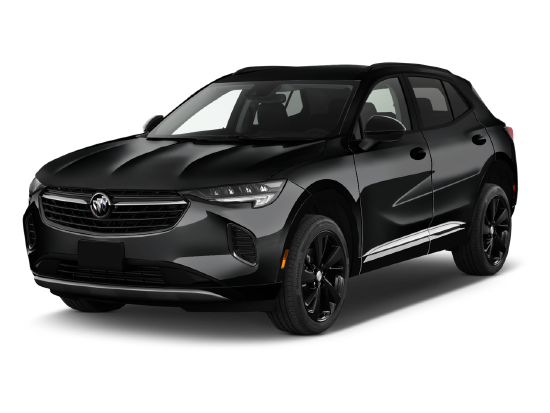
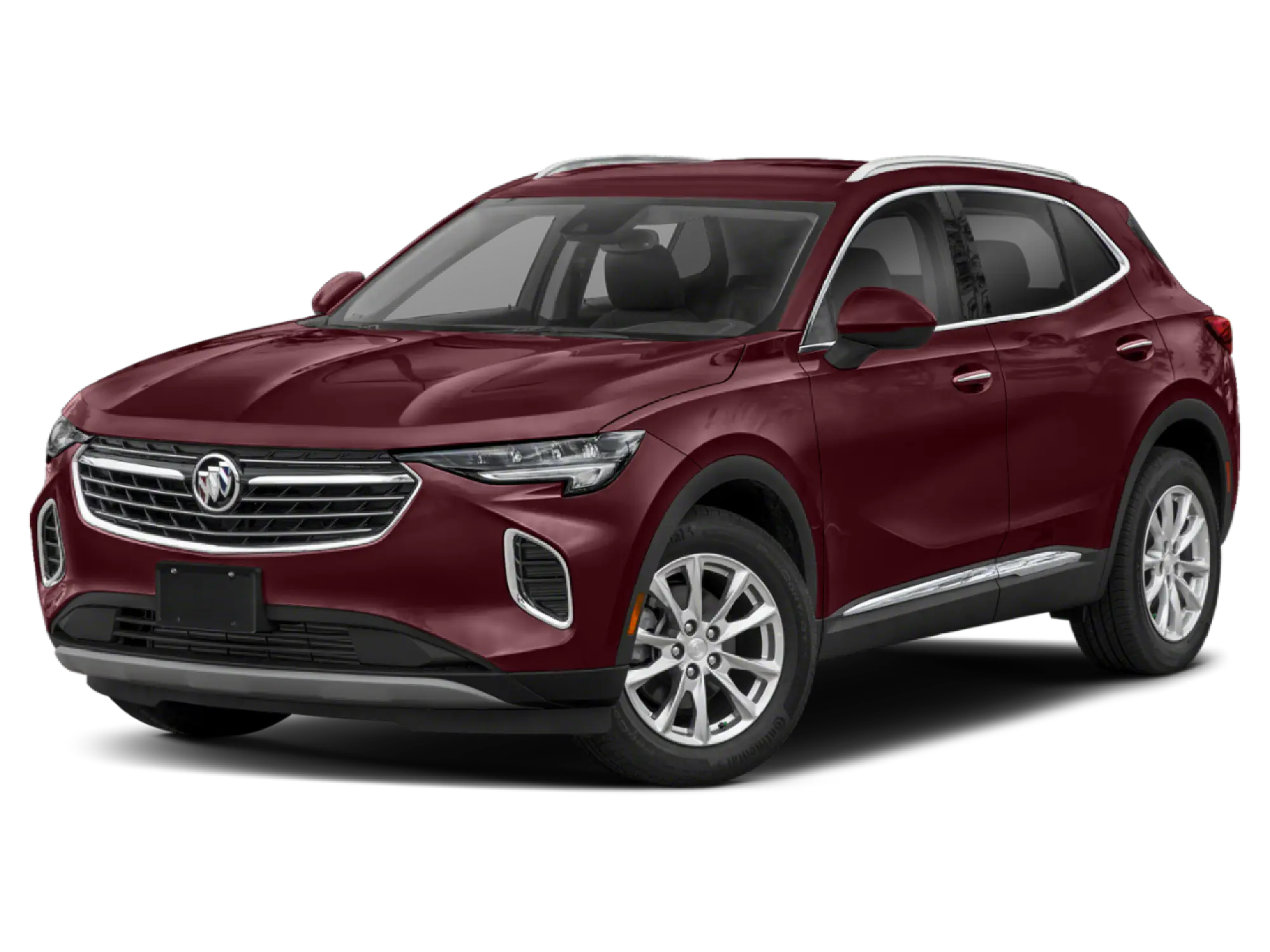
For drivers searching for the Best Buick for Commuting, the current lineup offers several compelling choices. Buick’s Envista and Encore GX stand out for budget-conscious commuters, while the Envision can make sense for drivers willing to spend more for added power, standard all-wheel drive, and additional refinement.
Among them, the Buick Envista is arguably the strongest value for the typical commuter. Its relatively low starting price, efficient front-wheel-drive powertrain, comfortable cabin, and useful technology create a combination that is difficult to overlook.
Choosing a commuter vehicle is less about finding Buick’s most luxurious or powerful SUV and more about matching the vehicle to the miles you actually drive.
A driver covering 50 highway miles each day may place fuel economy near the top of the list. Someone navigating downtown traffic may care more about exterior dimensions, visibility, parking ease, and low-speed comfort.
Purchase price matters as well. Buick lists the 2026 Envista with a starting MSRP of $24,700, while the 2026 Envision starts considerably higher at $41,000. Buick rates the Envista at an estimated 28 mpg city and 32 mpg highway, making it especially relevant for commuters watching both purchase and fuel expenses.
Here is how the main choices compare:
| Buick Model | Commuter Strength | Fuel Economy | Drivetrain | Best For |
|---|---|---|---|---|
| Buick Envista | Value and highway efficiency | 28 city/32 highway | FWD | Budget-focused commuters |
| Buick Encore GX | City efficiency and versatility | Up to 30 city/31 highway | FWD or available AWD | Urban drivers and four-season commuters |
| Buick Envision | Power and refinement | 22 city/28 highway | AWD | Drivers prioritizing comfort and performance |
Fuel-economy figures vary by configuration. Buick lists the Encore GX at up to 30 city/31 highway with its 1.2-liter FWD configuration, while available AWD models sacrifice some efficiency in exchange for four-wheel traction.
For many shoppers, the Envista hits the commuter sweet spot.
Its standard 1.2-liter turbocharged three-cylinder produces 137 horsepower and 162 lb-ft of torque and is paired with a six-speed automatic transmission. Those numbers are modest, but commuting rarely requires sports-car acceleration. Buick has instead created a powertrain focused on practical everyday transportation and efficiency.
Fuel economy is one of its biggest advantages. Buick estimates 28 mpg city and 32 mpg highway for the front-wheel-drive Envista.
Cabin technology is also competitive for the price. The Preferred includes an 11-inch diagonal HD touchscreen and 8-inch Driver Information Center, giving commuters modern infotainment without requiring a move to Buick’s most expensive trim.
Cargo capacity reaches 42 cubic feet with the rear seats folded. That is enough flexibility for groceries, luggage, gym bags, and the other equipment that tends to accumulate in a daily-use vehicle.
Envista may be the straightforward value choice, but the Encore GX deserves consideration from drivers who need more versatility.
Buick rates the 2026 Encore GX at up to 30 mpg city and 31 mpg highway with its 1.2-liter FWD configuration. The available 1.3-liter FWD version is rated at 29 city and 31 highway, while the available 1.3-liter AWD configuration is rated at 26 city and 28 highway.
That available AWD system is the key difference for some buyers. Commuters regularly dealing with snow, steep roads, or changing winter conditions may decide the additional traction is worth the added purchase and fuel expense.
Encore GX also offers up to 50.2 cubic feet of maximum cargo room, giving it an advantage over the Envista’s 42 cubic feet.
The decision between the two can therefore be fairly simple. Envista prioritizes price and efficiency, while Encore GX provides additional cargo flexibility and an available AWD configuration.
Buying an affordable vehicle does not automatically guarantee inexpensive ownership.
High annual mileage accelerates wear on tires, brakes, suspension components, batteries, fluids, and other service items. A commuter driving 20,000 miles annually reaches mileage-related maintenance intervals much faster than an owner covering 7,500 miles per year.
Modern vehicles also rely heavily on electronic systems, turbocharged engines, infotainment equipment, sensors, cameras, and driver-assistance technology. Problems with those components can become more expensive to diagnose because technicians may need specialized equipment and additional labor time to identify the underlying fault.
Commuters should therefore consider total ownership cost rather than monthly payment alone.
| Commuter Expense | What Affects the Cost | Why It Matters |
|---|---|---|
| Fuel | MPG, mileage, traffic | Repeats every week |
| Tires | Mileage, alignment, road conditions | High-mileage drivers replace them sooner |
| Brakes | Traffic and driving style | Stop-and-go commuting increases wear |
| Maintenance | Mileage and service schedule | Intervals arrive sooner with heavy use |
| Repairs | Vehicle age and complexity | Costs can rise after warranty expiration |
| Insurance | Model, location, driver profile | Adds to monthly ownership cost |
Repair pricing varies considerably by model, mileage, location, labor rate, and the specific component that fails. Diagnostic charges alone may range from roughly $100 to more than $200 at many professional repair facilities, while actual repairs can range from relatively inexpensive sensor replacement to four-figure mechanical or electronic work.
Routine wear items should also be included in the commuter budget. Tires can cost several hundred dollars per set, brake work can reach hundreds of dollars per axle, and suspension repairs may become increasingly relevant as mileage climbs.
Those expenses do not mean Buick vehicles are unusually costly to own. They illustrate why mileage matters so much when selecting a commuter.
Someone driving 18,000 to 25,000 miles each year can accumulate 100,000 miles surprisingly quickly. Keeping a reserve for maintenance and unexpected repairs is therefore sensible even when purchasing a relatively new vehicle.
Preventive maintenance becomes particularly important when a vehicle is used for daily transportation. Missing work because of an avoidable breakdown can cost more than the repair itself.
Follow Buick’s maintenance schedule for oil changes, inspections, filters, fluids, and other mileage-based services. Severe operating conditions, frequent short trips, extended idling, or extreme temperatures may justify closer attention to maintenance intervals.
Tire pressure deserves regular attention because improper inflation can affect fuel economy, tire life, braking, and handling. Rotating tires at the recommended intervals can also help produce more even wear.
Pay attention to warning lights, unusual noises, fluid leaks, rough shifting, changes in braking feel, and new vibrations. Small problems are often easier to address before they begin affecting additional components.
Keeping maintenance records is equally worthwhile. Documentation can help technicians understand a vehicle’s service history and may make the car more attractive to a future buyer.
Most commuters do not need to be overly concerned, but high annual mileage changes the ownership equation.
A vehicle that accumulates mileage rapidly may leave its original warranty period sooner simply because the odometer reaches the mileage limit before the calendar reaches the time limit. Buick lists a 3-year/36,000-mile bumper-to-bumper limited warranty on current Envision models, for example.
For someone driving 12,000 miles annually, 36,000 miles represents roughly three years of use. At 18,000 miles annually, the same mileage can arrive in only two years.
That is why commuters should think about how long they intend to keep the vehicle. A driver who trades every few years has different financial exposure than someone planning to keep an Envista or Encore GX through 100,000 miles and beyond.
A Technical Service Bulletin, commonly called a TSB, is information issued to service professionals that can provide diagnostic procedures, repair guidance, or updated information about known vehicle conditions. A TSB is not automatically the same thing as a safety recall, and its existence does not necessarily mean every vehicle of that model will experience the condition.
TSBs can still be useful when researching a new or used Buick because they give shoppers another source of information about service procedures and potential concerns. Rather than relying on a list of individual bulletins that may become outdated, owners can search for current manufacturer communications and recalls using the NHTSA vehicle database.
Reviewing service history, recalls, and applicable TSB information before purchasing a used commuter can provide a more complete picture of the vehicle’s maintenance needs.
Budget shoppers should resist automatically moving toward the highest trim.
The Envista Preferred already provides the basic ingredients most commuters need, including its turbocharged engine, six-speed automatic transmission, Buick Driver Confidence features, 11-inch infotainment display, and 8-inch Driver Information Center.
Moving to Sport Touring adds styling changes and Remote Start among its equipment differences. Avenir adds features including heated front seats, a heated steering wheel, wireless device charging, and a Watts Link rear suspension.
Those upgrades may be worthwhile for someone spending two hours per day in the vehicle, particularly in a cold climate. Buyers focused primarily on minimizing total cost can put the price difference toward fuel, maintenance, insurance, or future repairs instead.
The Buick Envista is the strongest starting point for most budget-focused commuters. Its combination of a relatively low MSRP, 28 city/32 highway estimated fuel economy, modern infotainment, and five-passenger capacity makes it well suited to everyday transportation.
Shoppers should still compare insurance quotes and local transaction prices before deciding because those costs can change the real-world value equation.
Envista makes more sense when purchase price and highway efficiency are priorities. Encore GX becomes attractive if you need more cargo capacity or available AWD.
Encore GX offers up to 50.2 cubic feet of cargo capacity compared with 42 cubic feet for Envista, giving it additional practicality for drivers who routinely carry bulky items.
Not necessarily. Front-wheel drive works well for many commuters and generally avoids the added weight and fuel consumption associated with AWD.
Drivers regularly encountering snow or difficult road conditions may prefer the added traction of an AWD Encore GX or Envision. Proper tires remain extremely important regardless of drivetrain.
Maintenance costs depend on annual mileage, driving environment, vehicle age, and service pricing in your area. High-mileage commuters should budget for routine oil services plus eventual tires, brakes, batteries, filters, fluids, and suspension-related wear.
Setting aside money each month for maintenance can make these predictable expenses easier to manage when they arrive.
It can be worth considering for drivers who accumulate mileage quickly and plan to keep their Buick beyond its original warranty period. The value depends on the coverage terms, exclusions, deductible, vehicle eligibility, ownership timeline, and the types of repairs included.
Always read the actual plan terms before purchasing coverage rather than assuming every mechanical, maintenance, or wear-related expense is included.
A commuter can rack up thousands of miles faster than expected, which makes long-term repair planning especially relevant. Once original warranty coverage expires, an unexpected mechanical or electrical repair becomes the owner’s responsibility unless another applicable protection plan covers it.
Granger Warranty gives eligible vehicle owners a way to compare extended coverage options with transparent pricing and a straightforward online purchase process. Depending on the applicable plan, coverage may also be transferable, which can be useful when eventually selling or trading the vehicle.
Before purchasing any extended coverage, compare the contract terms with your expected annual mileage, planned ownership period, deductible, exclusions, and existing warranty coverage. Visit Granger Warranty to review available options and determine whether extended protection fits your Buick commuting budget.
Stay up to date with the latest news from Granger Warranty