Best Buick SUV for Snow and Mountain Driving
Snow-covered highways, steep mountain grades, and icy back roads can expose weaknesses that barely matter during ordinary commuting.
For Buick shoppers who regularly deal with winter weather, choosing the right SUV means looking beyond comfort and considering traction, ground clearance, tires, braking performance, power delivery, and long-term ownership costs.
Finding the Best Buick SUV for Snow also depends on what kind of winter driving you actually do. A compact crossover may be perfectly suited to plowed suburban streets, while drivers who regularly travel through mountain passes may benefit from a larger SUV with available all-wheel drive and more confident highway manners.
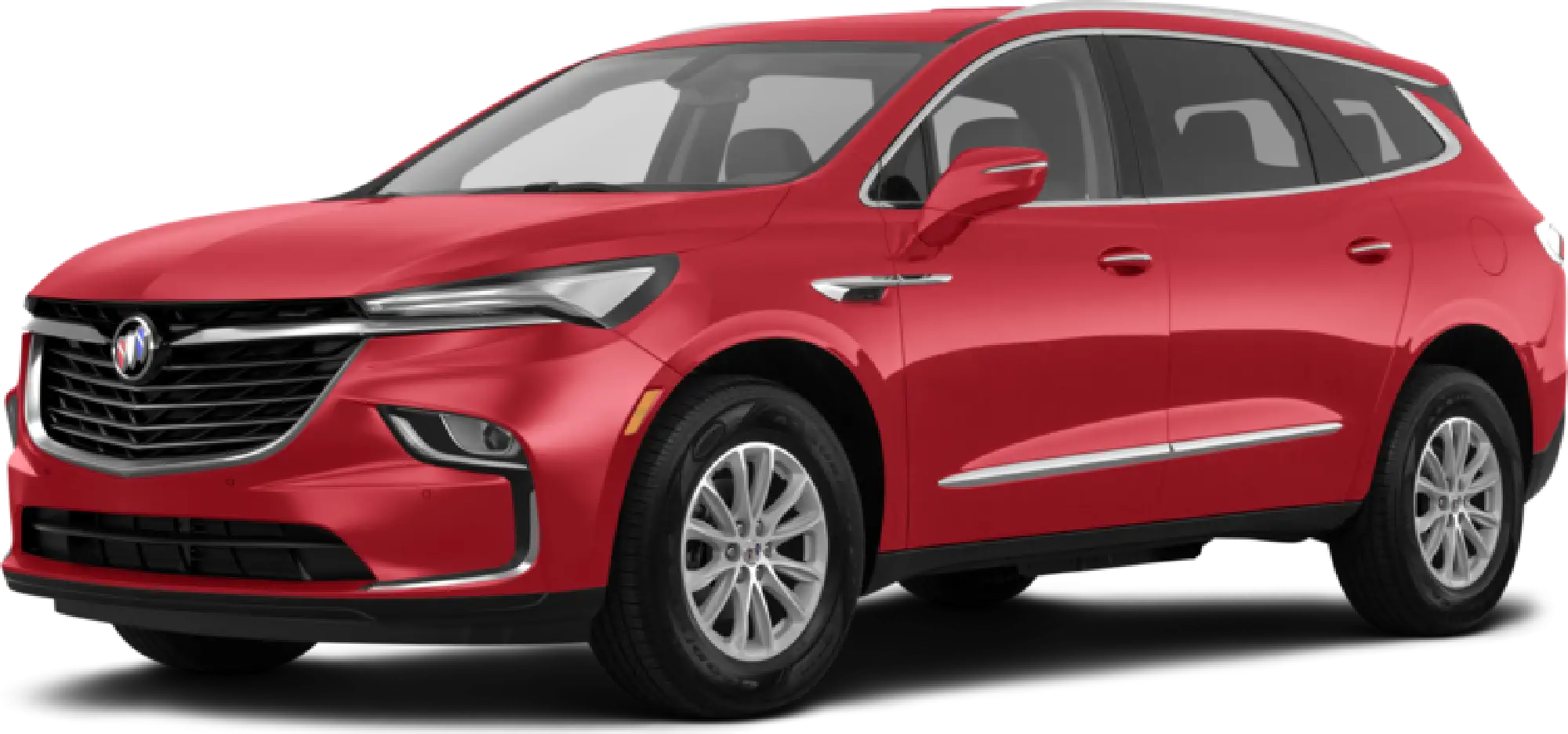
Among Buick’s SUV choices, the Enclave is generally the strongest fit for families and drivers who prioritize space, stability, and long-distance mountain travel. Smaller Buick crossovers can still make excellent winter vehicles, particularly when equipped with all-wheel drive and high-quality winter tires.
Buick SUVs are designed primarily as comfortable road-going crossovers rather than dedicated off-road vehicles. That distinction matters because mountain driving usually requires predictable traction and stability more often than extreme rock-crawling capability.
All-wheel drive is one of the most useful options for a Buick owner living in a snowy climate. AWD can automatically distribute power where it is needed when acceleration causes the tires to lose traction, helping the vehicle pull away more confidently on snow-covered roads and slippery inclines.
Tires are equally important. Even an advanced AWD system cannot create traction when the tires themselves cannot grip the road.
For drivers comparing current and recent Buick SUVs, the basic winter-driving priorities look like this:
| Buick SUV | Winter-Driving Strength | Best Fit |
|---|---|---|
| Buick Enclave | Available AWD, larger footprint, roomy cabin | Families and frequent mountain travelers |
| Buick Envision | Available AWD, manageable size, comfortable road manners | Commuters and smaller families |
| Buick Encore GX | Available AWD, compact dimensions | Urban and suburban winter driving |
| Buick Envista | Efficiency and easy maneuverability | Mild winter climates and primarily plowed roads |
Exact equipment varies by model year and trim, so shoppers should confirm drivetrain, tire size, and other specifications for the specific vehicle they are considering.
For buyers who routinely drive mountain highways, the Buick Enclave makes a compelling case. Its larger dimensions provide plenty of passenger and cargo room for ski equipment, winter luggage, emergency supplies, and family travel.
Available all-wheel drive is especially valuable when climbing grades covered with packed snow or encountering rapidly changing conditions. The Enclave’s emphasis on highway comfort also suits long-distance winter trips where drivers may spend hours traveling between mountain towns.
Size comes with tradeoffs. A larger SUV requires more space to maneuver, weighs more, and typically costs more to equip with premium winter tires than a compact crossover.
Drivers should also remember that AWD primarily helps a vehicle accelerate. Steering and stopping still depend heavily on tire traction, road conditions, speed, and driver input.
All-wheel drive can make winter travel significantly easier, but it should not be mistaken for an unlimited traction system. Its primary advantage occurs when engine power needs to reach the pavement under slippery conditions.
Imagine pulling away from a stop on an uphill road covered with snow. A two-wheel-drive vehicle may overwhelm the available grip at its driven wheels, while an AWD system can use additional wheels to help move the vehicle forward.
Electronic stability control and traction control provide another layer of assistance. These systems can detect wheel slip or unwanted vehicle movement and intervene through braking or engine management.
None of these systems can overcome basic physics. Black ice, excessive speed, worn tires, and insufficient following distance can defeat even sophisticated vehicle technology.
Winter and mountain environments can increase wear on several vehicle systems even when nothing is mechanically wrong. Tires, brakes, suspension components, batteries, and fluids all operate under more demanding conditions.
Costs vary substantially by model, location, labor rates, tire size, and the parts required. Approximate ownership expenses can include:
| Service or Repair | Approximate Cost Range |
|---|---|
| Diagnostic inspection | $100 to $200+ |
| Four quality winter tires | $700 to $1,500+ |
| Battery replacement | $200 to $450+ |
| Brake service | $300 to $1,000+ |
| Wheel alignment | $100 to $250+ |
| Suspension repair | $500 to $2,000+ |
| Major AWD-related repair | $1,000 to several thousand dollars |
These figures are broad estimates rather than quotes. Larger wheels, specialized components, OEM parts, and local labor rates can push actual costs higher.
Mountain driving can be particularly demanding on brakes. Long downhill grades generate heat, while winter road treatments can contribute to corrosion on exposed chassis and brake components.
Preparation is one of the easiest ways to improve winter reliability. Start by checking tire condition before temperatures fall, including tread depth, pressure, and signs of uneven wear.
Cold temperatures naturally reduce tire pressure. A tire that was properly inflated during warmer weather can become underinflated after a substantial temperature drop.
Battery health also deserves attention. Starting an engine in very cold weather places considerable demand on the battery, and an aging unit may fail with little warning once temperatures plunge.
Brake inspections are especially worthwhile for mountain drivers. Pads and rotors that seem adequate for normal commuting may experience much greater stress during repeated downhill driving.
Owners should also keep up with Buick’s recommended fluid and maintenance schedules. Engine coolant, oil, brake fluid, transmission fluid, and other systems all contribute to dependable operation in demanding environments.
After driving regularly on salted or chemically treated roads, periodic underbody washing can help remove corrosive residue. This is particularly useful for owners who intend to keep their Buick for many years.
A Buick equipped with AWD but poor tires may perform worse in winter conditions than many drivers expect. Tire selection influences acceleration, braking, cornering, and emergency maneuvering.
Dedicated winter tires use compounds engineered to remain flexible in cold conditions. Their tread patterns are also designed to manage snow and slush more effectively than many conventional tires.
All-season tires can be appropriate for drivers who encounter occasional light snow and mostly cleared roads. Drivers regularly crossing snowy mountain passes should consider whether dedicated winter tires better match their conditions.
Some all-weather tires carrying appropriate severe-snow ratings can provide a middle ground for drivers who do not want to change between seasonal sets. Tire selection should always account for the vehicle manufacturer’s size, load, and speed specifications.
A Technical Service Bulletin, commonly called a TSB, is information issued by an automaker to help dealership technicians diagnose or repair known vehicle conditions. A TSB is not automatically the same thing as a recall, and its existence does not necessarily mean a repair will be performed at no charge.
Used Buick shoppers can research TSB information and recalls through the National Highway Traffic Safety Administration by entering the vehicle’s year, make, and model. Reviewing this information before purchasing a used SUV can help buyers understand documented service concerns without assuming every vehicle will experience them.
Owners can also ask a Buick dealer to check their specific VIN for applicable recalls, service information, and maintenance history when available.
Occasional wheel slip on an icy surface does not automatically indicate a mechanical problem. Repeated warning lights, unusual drivetrain noises, vibrations, pulling while braking, or AWD messages deserve closer attention.
Drivers should also pay attention to changes that appear only during cold weather. A weak battery, low tire pressure, worn suspension components, or marginal electrical connection can become much more noticeable once temperatures drop.
Any significant change in braking, steering, or vehicle stability warrants prompt inspection. Those systems directly affect vehicle control and should not be postponed simply because a warning disappears after the vehicle warms up.
Mountain travelers have another consideration: distance from repair facilities. A problem that is merely inconvenient near home can become much more serious when it occurs on an isolated mountain highway during a winter storm.
An AWD-equipped Buick Enclave can be a capable winter family SUV when paired with suitable tires. Its spacious cabin and comfortable highway behavior also make it well suited to longer trips into mountain areas.
Traction still depends heavily on tire condition and road conditions. AWD should never be treated as a substitute for appropriate winter tires or cautious driving.
Not necessarily. Drivers who experience occasional light snow on regularly plowed roads may be comfortable with a front-wheel-drive vehicle equipped with suitable tires.
AWD becomes more attractive for frequent snow, steep driveways, mountain roads, and areas where roads may remain covered for longer periods.
The Enclave is a strong choice for families who want passenger room, cargo capacity, available AWD, and comfortable highway performance. The Envision may be more appealing for drivers who want a smaller footprint while retaining available AWD.
Choosing between them should depend on passenger requirements, parking needs, driving environment, and how frequently the vehicle will encounter mountain conditions.
AWD improves the vehicle’s ability to put power down during acceleration, but it does not eliminate the need for tire grip during braking and cornering. Dedicated winter tires can substantially improve cold-weather capability in areas with frequent snow and ice.
Drivers who experience milder winters may find high-quality all-season or appropriately rated all-weather tires sufficient for their circumstances.
Certain mechanical and electrical failures may qualify for coverage under an applicable vehicle service contract, depending on the specific plan, component, exclusions, vehicle eligibility, and circumstances of the failure.
Wear items and routine maintenance generally should not be assumed to be covered. Owners should review the actual contract before purchasing coverage or authorizing repairs.
Snow and mountain driving place additional demands on a vehicle, and modern SUVs contain increasingly sophisticated mechanical and electronic systems. Keeping up with maintenance, installing appropriate tires, and addressing warning signs early are the best starting points for dependable winter ownership.
For owners planning to keep a Buick beyond its original warranty period, extended coverage can also help make certain unexpected covered repair expenses more predictable. This can be particularly worth considering for vehicles equipped with AWD, advanced electronics, driver-assistance technology, and other potentially costly systems.
Granger Warranty offers straightforward coverage options designed to help owners plan for longer-term vehicle ownership. Drivers can visit Granger Warranty to review available plans, pricing, eligibility, and coverage details before deciding whether extended protection makes sense for their Buick.
Choosing the Best Buick SUV for Snow is ultimately about matching the vehicle to the conditions you actually face. Pair the right Buick with appropriate tires, consistent maintenance, sensible mountain-driving habits, and a long-term ownership plan, and winter travel can become considerably easier to manage.
Stay up to date with the latest news from Granger Warranty