Best Chevrolet Camaro Model Year to Buy Used
Finding a great used Chevrolet Camaro involves more than choosing between a turbocharged four-cylinder, a refined V6, or a thunderous V8.
With six generations spanning decades of American performance-car history, the Camaro offers everything from affordable daily-driver coupes to serious track-focused machines, although some model years deliver a noticeably better combination of reliability, performance, technology, and long-term ownership value.
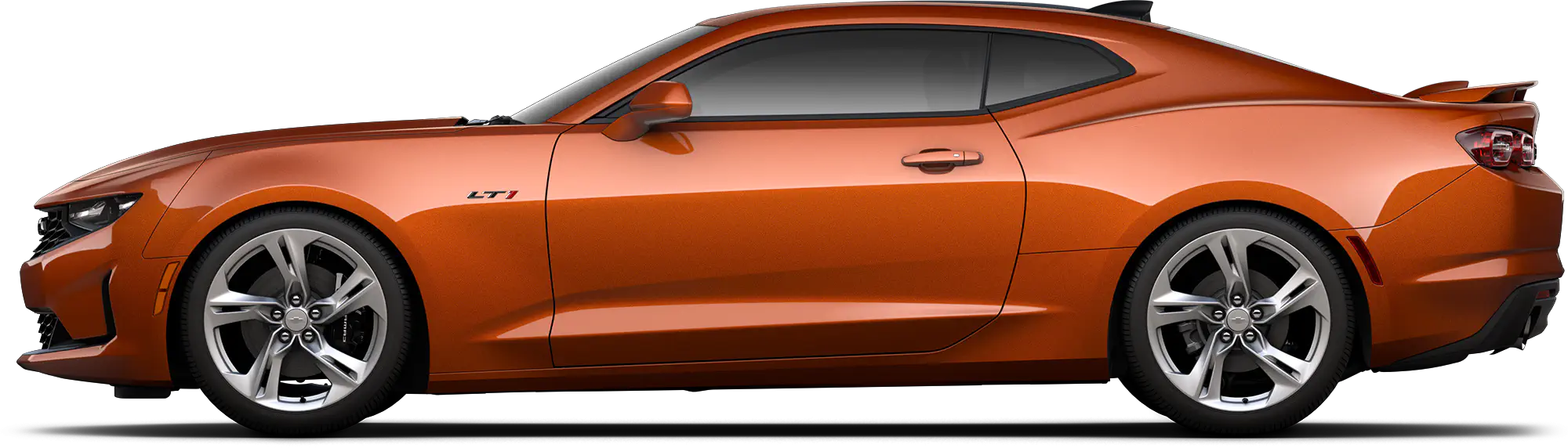
For shoppers wondering about the best Camaro year to buy used, the 2019 through 2023 models deserve particular attention, especially those equipped with the proven 3.6-liter V6 or 6.2-liter LT1 V8. Earlier fifth-generation models can also represent excellent value, particularly the 2013 through 2015 cars, which benefit from several years of refinement before Chevrolet introduced the lighter, more sophisticated sixth generation.
This Camaro buyer’s guide examines the strongest model years, common mechanical concerns, estimated repair expenses, and maintenance considerations that should influence your decision. Whether you’re shopping for an inexpensive weekend cruiser or a powerful V8 muscle car, understanding the differences between Camaro generations can help you avoid costly surprises.
Chevrolet’s modern Camaro story begins with the fifth-generation model introduced for 2010, following an eight-year absence from showrooms. Its retro-inspired styling, rear-wheel-drive platform, and available V8 power helped reestablish the Camaro as a serious competitor to the Ford Mustang and Dodge Challenger.
The sixth generation arrived for 2016 with a lighter platform, improved handling, a more refined interior, and upgraded powertrains. Production ultimately ended after the 2024 model year, making every modern Camaro a used-car purchase as of 2026.
| Camaro Model Years | Generation | Major Advantages | Buying Considerations |
|---|---|---|---|
| 2010–2012 | Fifth | Affordable entry prices, classic styling | Older components, greater age-related wear |
| 2013–2015 | Fifth | Mature platform, strong V6 and V8 options | Aging electronics, suspension and drivetrain wear |
| 2016–2018 | Sixth | Improved handling, lighter construction | Inspect automatic transmission operation carefully |
| 2019–2021 | Sixth | Updated technology, excellent performance | Verify maintenance and transmission history |
| 2022–2023 | Sixth | Newer examples, refined powertrain choices | Higher purchase prices |
| 2024 | Sixth | Final production year, collector appeal | Premium pricing on desirable configurations |
For most buyers, the 2019 through 2023 Camaro represents the strongest overall shopping window, combining modern performance with a broad selection of engines and equipment. Buyers prioritizing affordability should consider the 2013 through 2015 models, while enthusiasts seeking the newest possible Camaro may prefer a carefully maintained 2024 example.
Engine selection plays a major role in determining whether a used Camaro becomes an affordable ownership experience or an expensive hobby. Chevrolet offered several distinctive powertrains, each with advantages depending on driving habits, performance expectations, and maintenance budgets.
The naturally aspirated 3.6-liter V6 provides a compelling balance between acceleration and everyday usability. Sixth-generation versions produce 335 horsepower, making them considerably quicker than many buyers expect from a six-cylinder sports coupe.
V6 Camaros generally cost less to purchase than comparable V8 models and can offer lower fuel and insurance expenses. Buyers should still inspect cooling-system components, monitor oil consumption, and verify that previous owners followed recommended oil-change intervals.
For traditional muscle-car enthusiasts, the naturally aspirated 6.2-liter V8 remains the defining Camaro experience. Sixth-generation LT1-powered models produce 455 horsepower, delivering strong acceleration and the unmistakable character associated with Chevrolet’s small-block V8.
The Camaro SS is particularly attractive because it combines substantial performance with equipment suitable for everyday driving. Buyers should account for higher tire, brake, fuel, and insurance expenses, especially when comparing V8 ownership against the more economical V6.
The sixth-generation 2.0-liter turbocharged four-cylinder delivers 275 horsepower and relatively manageable operating expenses, although its turbocharger and supporting systems introduce additional components that may require attention as mileage increases.
At the opposite extreme, the supercharged 6.2-liter V8 in the Camaro ZL1 produces 650 horsepower. Its remarkable performance comes with substantially greater expenses for tires, brakes, specialized components, and potentially major engine repairs.
Although the Camaro has a strong performance reputation, certain mechanical issues deserve attention during a used-car inspection. Not every vehicle experiences these problems, and their frequency varies considerably by engine, transmission, maintenance history, and driving conditions.
Automatic transmission shudder is among the better-known concerns associated with certain sixth-generation Camaros equipped with GM’s eight-speed automatic transmission. Drivers may describe the sensation as a vibration or rumble-strip feeling during light acceleration, making a thorough test drive especially important.
Cooling-system leaks, worn suspension components, electrical problems, and aging air-conditioning systems are additional considerations. On older fifth-generation cars, buyers should also examine timing-chain-related symptoms on applicable V6 engines and listen for unusual valvetrain noises on V8 models.
| Component | Potential Symptoms | Recommended Inspection |
|---|---|---|
| Automatic transmission | Shuddering, delayed shifts, harsh engagement | Test drive at different speeds and temperatures |
| Engine timing components | Rattling, fault codes, rough operation | Review service records and diagnostic results |
| Cooling system | Coolant loss, overheating, visible leaks | Pressure-test system and inspect connections |
| Suspension | Clunking, uneven tire wear, loose steering | Inspect bushings, joints, shocks, and alignment |
| Electrical system | Intermittent warning lights, accessory failures | Scan vehicle modules and test electronics |
| Air conditioning | Weak cooling, unusual compressor noises | Verify system operation and inspect for leaks |
A comprehensive pre-purchase inspection is especially important for modified Camaros. Aftermarket engine tuning, supercharger installations, suspension modifications, and evidence of repeated track use can increase mechanical risk while complicating future warranty eligibility.
A Technical Service Bulletin, commonly called a TSB, is a document issued by an automaker to help dealership technicians identify, diagnose, or repair a known vehicle condition. Unlike a safety recall, a TSB does not automatically mean the manufacturer will pay for repairs, although some repairs may qualify under an applicable warranty or special coverage program.
Buyers can research manufacturer communications, reported problems, and safety recalls through the National Highway Traffic Safety Administration. Searching by model year or VIN provides valuable information about potential concerns, while a VIN-specific recall check helps identify outstanding safety recalls before purchase.
Understanding potential repair expenses is essential when evaluating an older performance car. Even a well-maintained Camaro can eventually require significant work, particularly as mileage increases and factory warranty coverage expires.
Repair prices vary by model year, engine configuration, location, labor rates, and whether the vehicle requires original-equipment or aftermarket replacement parts. The following figures represent broad planning estimates rather than guaranteed repair quotes.
| Camaro Repair or Service | Estimated Cost |
|---|---|
| Diagnostic inspection | $100–$250 |
| Cooling-system repair | $250–$900 |
| Ignition coils or spark plugs | $200–$700 |
| Suspension component replacement | $350–$1,200 |
| Air-conditioning compressor replacement | $900–$1,800 |
| Automatic transmission repair | $1,500–$4,500 |
| Complete transmission replacement | $4,000–$7,500+ |
| Major engine repair or replacement | $4,500–$12,000+ |
Routine maintenance also deserves consideration. High-performance summer tires, large brake assemblies, and specialized fluids can make an SS or ZL1 noticeably more expensive to maintain than an entry-level Camaro.
A buyer comparing a $20,000 used Camaro with a $25,000 example should therefore consider more than the initial price difference. A newer, properly serviced vehicle with healthy tires, brakes, and drivetrain components may ultimately cost less to own than a cheaper car requiring immediate repairs.
Proper maintenance can substantially influence the long-term reliability of any Camaro, particularly models driven aggressively or stored seasonally. Buyers should prioritize vehicles with documented service histories over examples that simply have low odometer readings.
Engine oil changes should follow Chevrolet’s recommended specifications and service intervals, with additional attention given to vehicles exposed to frequent short trips, high temperatures, or performance driving. Transmission fluid, coolant, brake fluid, and differential lubricant should also be serviced according to the applicable owner’s manual and operating conditions.
Before purchasing a used Camaro, arrange an inspection with a technician familiar with GM performance vehicles. The inspection should include an electronic diagnostic scan, underbody examination, tire and brake assessment, cooling-system evaluation, and a road test that allows the engine and transmission to reach normal operating temperatures.
For V8 models, look carefully for evidence of track use, excessive rear-tire wear, aftermarket modifications, or inconsistent maintenance. These conditions do not automatically disqualify a vehicle, but they should influence the purchase price and your expectations for future expenses.
Owners planning to keep their Camaro for several years should also establish a maintenance reserve. Setting aside money for wear items and unexpected repairs is particularly sensible once a vehicle approaches 75,000 to 100,000 miles.
Choosing the best Camaro year to buy used ultimately depends on the relationship between purchase price, vehicle condition, and expected ownership duration. A meticulously maintained 2015 Camaro SS may offer better value than a neglected 2021 example, despite the newer vehicle’s technological advantages.
For buyers seeking modern handling, updated infotainment, and strong performance, the 2019 through 2023 sixth-generation models remain especially appealing. The 2020 through 2023 Camaro SS is a particularly compelling choice for enthusiasts who want naturally aspirated V8 performance without paying the premium associated with a ZL1.
Budget-conscious shoppers should not overlook the 2013 through 2015 fifth-generation models. Their relatively straightforward performance formula, established parts availability, and substantial aftermarket support make them attractive alternatives, provided their age and maintenance requirements are reflected in the purchase price.
Buyers should be more cautious with vehicles lacking service records, showing signs of accident repairs, or carrying extensive performance modifications. A clean vehicle history report is helpful, but it cannot replace a mechanical inspection or guarantee that a vehicle has never been damaged.
The most important consideration is condition rather than model year alone. A carefully selected Camaro can deliver years of rewarding ownership, while an inexpensive example with hidden mechanical problems can quickly erase its initial savings.
The 2019 through 2023 Chevrolet Camaro models are strong candidates because they combine sixth-generation improvements with relatively modern powertrains and technology. Individual reliability depends heavily on maintenance, transmission configuration, driving history, and vehicle condition, so no single model year guarantees trouble-free ownership.
The Camaro SS offers substantially greater acceleration and the character of Chevrolet’s naturally aspirated V8, making it especially appealing to performance enthusiasts. A V6 Camaro can be the smarter purchase for drivers who prioritize lower operating costs while still enjoying responsive handling and strong everyday performance.
A properly maintained Chevrolet Camaro can potentially exceed 150,000 miles, and some examples reach 200,000 miles or more. Actual longevity depends on maintenance, driving conditions, previous repairs, and whether the vehicle has experienced extensive performance modifications or track use.
Early fifth-generation examples deserve attention because of their age and potential engine-related concerns, while certain 2016 through 2019 vehicles equipped with eight-speed automatic transmissions warrant careful evaluation for shuddering or shifting problems. These concerns do not affect every Camaro, and a documented repair history can help buyers evaluate individual vehicles.
An extended vehicle service contract may be worthwhile for owners concerned about unexpected engine, transmission, or electrical repairs, particularly when purchasing a higher-mileage vehicle. Buyers should compare coverage limits, deductibles, exclusions, eligibility requirements, and repair authorization procedures before deciding whether a plan provides sufficient value.
Buying a used Chevrolet Camaro is ultimately about balancing performance, purchase price, and long-term ownership confidence. Whether you choose an affordable fifth-generation V6 or a powerful sixth-generation SS, understanding maintenance requirements and potential repair costs can help you make a more informed decision.
Unexpected mechanical repairs can become particularly expensive once the original manufacturer’s warranty has expired. Depending on the vehicle and contract, an extended vehicle service plan may help reduce eligible out-of-pocket repair expenses while providing greater predictability throughout ownership.
Granger Warranty offers vehicle protection options with straightforward pricing and an emphasis on helping owners understand their coverage choices. Available plans, covered components, exclusions, and eligibility can vary, so Camaro owners should review the specific contract carefully before purchasing.
If you’re considering a used Camaro or already own one that you plan to keep for several more years, visit Granger Warranty to explore available protection options and determine whether additional coverage makes sense for your vehicle and budget.
Stay up to date with the latest news from Granger Warranty