Best Chevrolet Corvette Trim: Stingray vs Z51 vs Z06
Few American performance cars offer the combination of speed, engineering sophistication, and everyday usability found in the Chevrolet Corvette.
Since the introduction of the mid-engine C8 generation, Chevrolet has transformed its flagship sports car into a legitimate competitor for European exotics while maintaining a relatively accessible entry price. For buyers comparing the Corvette Stingray vs. Z06, the decision involves considerably more than horsepower, especially when the Z51 Performance Package enters the conversation.
Choosing the best Corvette trim depends on how frequently you drive, whether you plan to visit a racetrack, and how much you are willing to spend on performance and maintenance. The standard Stingray delivers remarkable acceleration and comfort, the Z51 package sharpens its handling capabilities, and the Z06 introduces a substantially different engine and driving personality.
Understanding these distinctions can help buyers avoid spending thousands on capabilities they may rarely use.
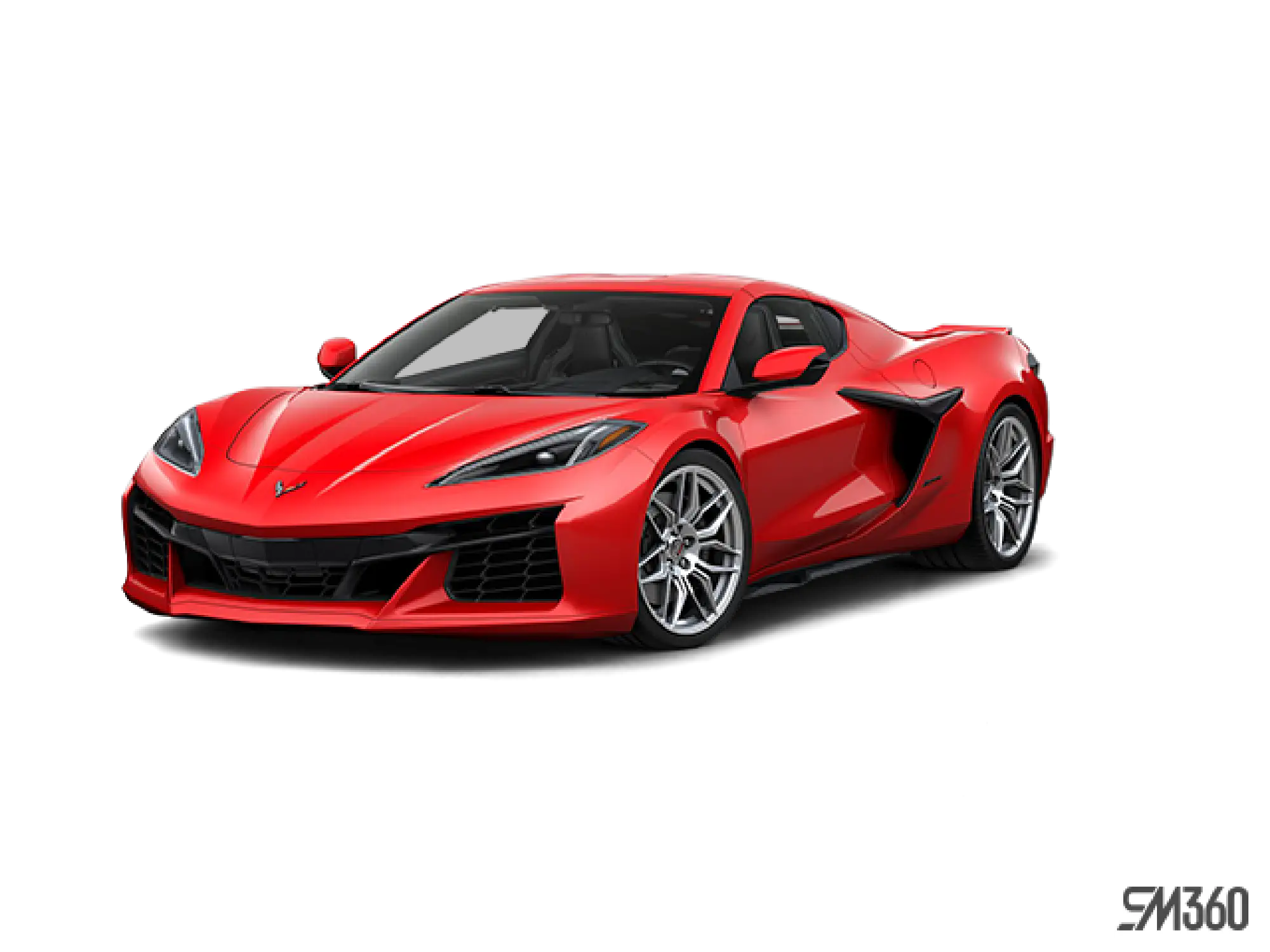
Although the Stingray and Z06 share the same mid-engine architecture, they serve different types of enthusiasts. Chevrolet designed the Stingray as an approachable, high-performance sports car that balances impressive acceleration with daily driving comfort, while the Z06 emphasizes high-revving power delivery, aerodynamic performance, and racetrack capability.
The Z51 occupies an interesting position between these models, although it is technically an optional performance package rather than a separate Corvette trim. Buyers can equip a Stingray with the Z51 package to improve braking, cooling, suspension performance, and track readiness without stepping up to the significantly more expensive Z06.
| Specification | Stingray | Stingray With Z51 | Z06 |
|---|---|---|---|
| Engine | 6.2L LT2 V8 | 6.2L LT2 V8 | 5.5L LT6 V8 |
| Horsepower | 490 hp | 495 hp | 670 hp |
| Torque | 465 lb-ft | 470 lb-ft | 460 lb-ft |
| Transmission | 8-speed dual-clutch | 8-speed dual-clutch | 8-speed dual-clutch |
| 0-60 MPH | Approx. 3.0 seconds | As quick as 2.9 seconds | As quick as 2.6 seconds |
| Suspension | Standard performance suspension | Z51 performance suspension | Z06-specific performance tuning |
| Brakes | Standard performance brakes | Upgraded Z51 brakes | Larger high-performance brakes |
| Primary Focus | Road performance | Road and occasional track use | High-performance track driving |
Specifications represent commonly published C8 configurations. Acceleration figures are manufacturer estimates under favorable conditions, and equipment can vary by model year.
One important distinction is that the Z06 does not simply use a more powerful version of the Stingray engine. Its naturally aspirated 5.5-liter LT6 features a flat-plane crankshaft, allowing it to rev substantially higher than the Stingray’s traditional cross-plane-crank V8.
This engineering difference produces a distinctive exhaust note and changes how the Corvette delivers power. While the Stingray emphasizes strong low-speed torque and accessible acceleration, the Z06 rewards drivers who enjoy exploring the upper reaches of the tachometer.
For enthusiasts who want a Corvette primarily for commuting, weekend drives, and occasional road trips, the standard Stingray presents a compelling value proposition. Its 490-horsepower V8 provides more acceleration than most drivers can regularly exploit on public roads, and the mid-engine layout delivers excellent balance through corners.
The Stingray also offers a surprisingly accommodating cabin for a dedicated sports car. Available heated and ventilated seats, premium audio systems, and advanced driver-assistance features make longer journeys more enjoyable, while the front and rear storage compartments provide useful space for luggage and everyday essentials.
Buyers should also recognize that Chevrolet offers the Stingray in 1LT, 2LT, and 3LT equipment grades. These primarily influence interior appointments, technology, and convenience features rather than fundamentally changing engine performance.
For many shoppers, a Stingray 2LT represents an appealing balance because it adds comfort and convenience equipment without requiring the expense of the most luxurious configuration. Exact equipment varies by model year, making it worthwhile to review the original window sticker before purchasing.
Drivers who want sharper handling without committing to the Z06 should examine the Stingray’s Z51 Performance Package. Rather than dramatically increasing horsepower, Chevrolet concentrates on improving the supporting components that help the Corvette perform consistently during aggressive driving.
Depending on model year, the Z51 package includes upgraded brakes, performance suspension tuning, additional cooling capacity, an electronic limited-slip differential, performance exhaust, and aerodynamic enhancements. These upgrades become particularly valuable when the vehicle experiences repeated hard acceleration, braking, and cornering.
The performance exhaust accounts for the modest increase from 490 to 495 horsepower, while the upgraded cooling and braking systems provide benefits that are less obvious during a short test drive. On a winding mountain road or during a track session, these supporting improvements can make the car feel more composed and capable.
For buyers comparing the best Corvette trim based on performance per dollar, the Stingray with Z51 deserves serious consideration. It retains the standard car’s relatively approachable operating costs while providing meaningful improvements for enthusiastic drivers.
Still, the Z51 package is not essential for everyone. Owners who spend most of their time on highways and city streets may appreciate the standard Stingray’s capabilities without needing the additional performance equipment.
Moving from the Stingray to the Z06 represents a substantial financial commitment, but the additional expense buys more than an impressive horsepower figure. Chevrolet equips the Z06 with a specialized powertrain, wider bodywork, upgraded chassis components, and hardware engineered for sustained high-performance driving.
The LT6 engine produces 670 horsepower without turbocharging or supercharging, an impressive achievement for a naturally aspirated production V8. Its 8,600-rpm redline gives the Z06 a character that feels closer to a dedicated racing machine than a traditional American muscle car.
Additional aerodynamic and suspension enhancements help the Z06 exploit that performance, particularly when equipped with available track-focused equipment such as the Z07 Performance Package. Buyers considering these upgrades should understand that more aggressive tires, braking components, and suspension settings may involve compromises in ride comfort and replacement costs.
The Z06 is undoubtedly the more capable performance machine, but capability and value are not necessarily the same thing. Drivers who rarely attend track events may find that the Stingray delivers nearly all the excitement they want at a substantially lower purchase price.
Performance differences also influence long-term ownership expenses. Although both Corvettes use sophisticated dual-clutch transmissions and advanced electronic systems, the Z06’s specialized engine, high-performance tires, and braking hardware can make certain repairs considerably more expensive.
The following figures represent broad estimated costs at professional repair facilities rather than guaranteed Chevrolet dealership prices. Actual expenses depend on model year, parts availability, labor rates, and the specific diagnosis.
| Maintenance or Repair | Estimated Cost |
|---|---|
| Routine Engine Oil Service | $150-$300 |
| Performance Tire Replacement, Full Set | $1,200-$2,800+ |
| Brake Pads and Rotors, One Axle | $600-$2,000+ |
| Dual-Clutch Transmission Diagnosis | $180-$350 |
| Transmission Repair or Replacement | $5,000-$12,000+ |
| Cooling System Repair | $500-$2,000+ |
| Electronic Suspension Component Replacement | $700-$2,500+ |
These estimates are illustrative and are not model-specific repair quotes. Carbon-ceramic braking systems and specialized Z06 components can exceed the ranges shown.
Routine maintenance also deserves attention because high-performance vehicles place substantial demands on fluids, tires, and braking components. Track driving accelerates wear, and owners should follow Chevrolet’s model-specific maintenance recommendations rather than assuming ordinary passenger-car service intervals are sufficient.
For used Corvette buyers, documented maintenance history is particularly important. A lower-mileage Z06 with extensive track use may have experienced greater mechanical stress than a higher-mileage Stingray used primarily for highway driving.
Modern Corvettes incorporate advanced mechanical and electronic systems, making preventive maintenance essential regardless of the model selected. The Stingray’s LT2 engine uses a more conventional V8 architecture, while the Z06’s LT6 introduces specialized components and a high-revving design that may increase the complexity of certain repairs.
That distinction does not automatically make the Z06 unreliable. It simply means buyers should recognize the potential expense of maintaining a specialized performance vehicle, especially after its original warranty coverage expires.
Owners can reduce unnecessary mechanical stress by allowing the engine and transmission to reach appropriate operating temperatures before demanding maximum performance. Regular fluid inspections, tire-pressure checks, cooling-system maintenance, and attention to dashboard warnings are equally important.
Chevrolet also publishes Technical Service Bulletins, commonly called TSBs, to help dealership technicians diagnose and repair known vehicle concerns. Unlike safety recalls, TSBs do not automatically require manufacturers to provide free repairs, and coverage depends on the applicable warranty or service policy. Owners can research manufacturer communications, recalls, and reported problems through the National Highway Traffic Safety Administration by entering their vehicle identification number or searching by model year.
Before purchasing a used Corvette, buyers should also request a comprehensive pre-purchase inspection from a technician familiar with C8 models. Reviewing transmission operation, suspension condition, tire wear, cooling performance, and stored diagnostic trouble codes can reveal concerns that might otherwise go unnoticed during a brief test drive.
Determining the best Corvette trim ultimately requires an honest assessment of how the vehicle will be driven. The standard Stingray already delivers extraordinary acceleration, while the Z51 package introduces valuable performance enhancements for drivers who enjoy spirited driving or occasional track events.
The Z06 occupies a different category, appealing to enthusiasts who prioritize engine character, sustained high-speed performance, and the engineering sophistication of a specialized sports car.
| Buyer Priority | Recommended Corvette |
|---|---|
| Everyday driving and commuting | Stingray |
| Best overall performance value | Stingray With Z51 |
| Weekend canyon driving | Stingray With Z51 |
| Frequent racetrack use | Z06 |
| Maximum naturally aspirated horsepower | Z06 |
| Lower long-term ownership expenses | Stingray |
| Premium performance experience | Z06 |
For most buyers, the Stingray with Z51 represents the strongest overall compromise. Its additional cooling, braking, and chassis equipment provides performance benefits without the considerably higher acquisition and potential maintenance costs associated with the Z06.
Enthusiasts who specifically want the LT6 engine and intend to use the Z06’s performance envelope may find the premium worthwhile. For everyone else, the standard Stingray and Z51-equipped versions already deliver a remarkably rewarding driving experience.
Choosing a Corvette also means accepting the financial responsibilities associated with a sophisticated performance vehicle. Dual-clutch transmissions, electronic suspension systems, advanced cooling components, and integrated vehicle electronics can generate substantial repair bills once manufacturer warranty coverage expires.
An extended vehicle service contract may help eligible owners manage certain unexpected mechanical and electrical repair expenses, depending on the plan’s covered components, exclusions, deductibles, and claim requirements. Routine maintenance, consumable wear items, and damage associated with racing or other excluded activities generally require separate consideration.
Granger Warranty provides vehicle protection options that owners can review when evaluating their long-term ownership budgets. Before purchasing coverage, Corvette owners should confirm vehicle eligibility, available plans, and any restrictions involving modifications, track use, or specialized performance components.
The Z51-equipped Stingray offers slightly quicker manufacturer-estimated acceleration under ideal conditions, partly because of its performance exhaust and supporting chassis equipment. Its greatest advantages involve braking, cooling, and handling consistency rather than a dramatic horsepower increase.
The Z06 can justify its premium for drivers who value its 670-horsepower LT6 engine, specialized chassis, and racetrack capabilities. Buyers primarily interested in everyday driving may find the Stingray or Z51 a better financial choice because both provide exceptional performance at a lower purchase price.
There is not enough long-term evidence to declare one C8 configuration universally more reliable than the others. The Stingray’s comparatively conventional engine design may offer simpler ownership considerations, but maintenance history, driving conditions, and previous repairs are more useful indicators when evaluating an individual vehicle.
The Z51 package can increase certain ownership expenses because it includes upgraded performance components and may encourage more aggressive driving. Tire wear, brake replacement, and track-related maintenance are particularly important considerations, although routine service costs may remain relatively similar to those of a standard Stingray.
A well-maintained Stingray with the Z51 Performance Package is an excellent choice for used buyers seeking a balance of performance and value. Shoppers should prioritize complete service records, an independent inspection, and verification of outstanding recalls or manufacturer communications before making a purchase.
Whether you prefer the everyday versatility of the Stingray, the balanced performance of the Z51 package, or the remarkable capabilities of the Z06, selecting the right Corvette involves more than comparing horsepower and acceleration figures. Purchase price, maintenance expectations, driving habits, and long-term repair exposure should all influence the decision.
For drivers planning to keep their Corvette beyond its original warranty period, researching available protection options can be a sensible part of the ownership process. Visit Granger Warranty to explore vehicle service contract options, review eligibility, and determine whether additional coverage fits your Corvette ownership plans.
Stay up to date with the latest news from Granger Warranty