Best Chevrolet Tahoe Trim: LS vs LT vs RST vs Z71 vs Premier vs High Country
Choosing among the six Chevy Tahoe trim levels can be surprisingly complicated, particularly when the differences extend beyond leather upholstery, wheel designs, and infotainment features.
Chevrolet’s full-size SUV offers an impressive combination of passenger space, towing capability, and highway comfort, but finding the best Tahoe trim requires understanding how each version fits your lifestyle and long-term ownership budget.
From the value-oriented LS to the luxurious High Country, every Tahoe trim serves a different purpose. Some emphasize everyday practicality, while others introduce off-road hardware, premium suspension systems, or additional technology that can increase both the purchase price and potential maintenance expenses.
For buyers comparing a new Tahoe or shopping the used market, understanding these distinctions can make the difference between purchasing the right SUV and paying thousands more for equipment that rarely gets used.
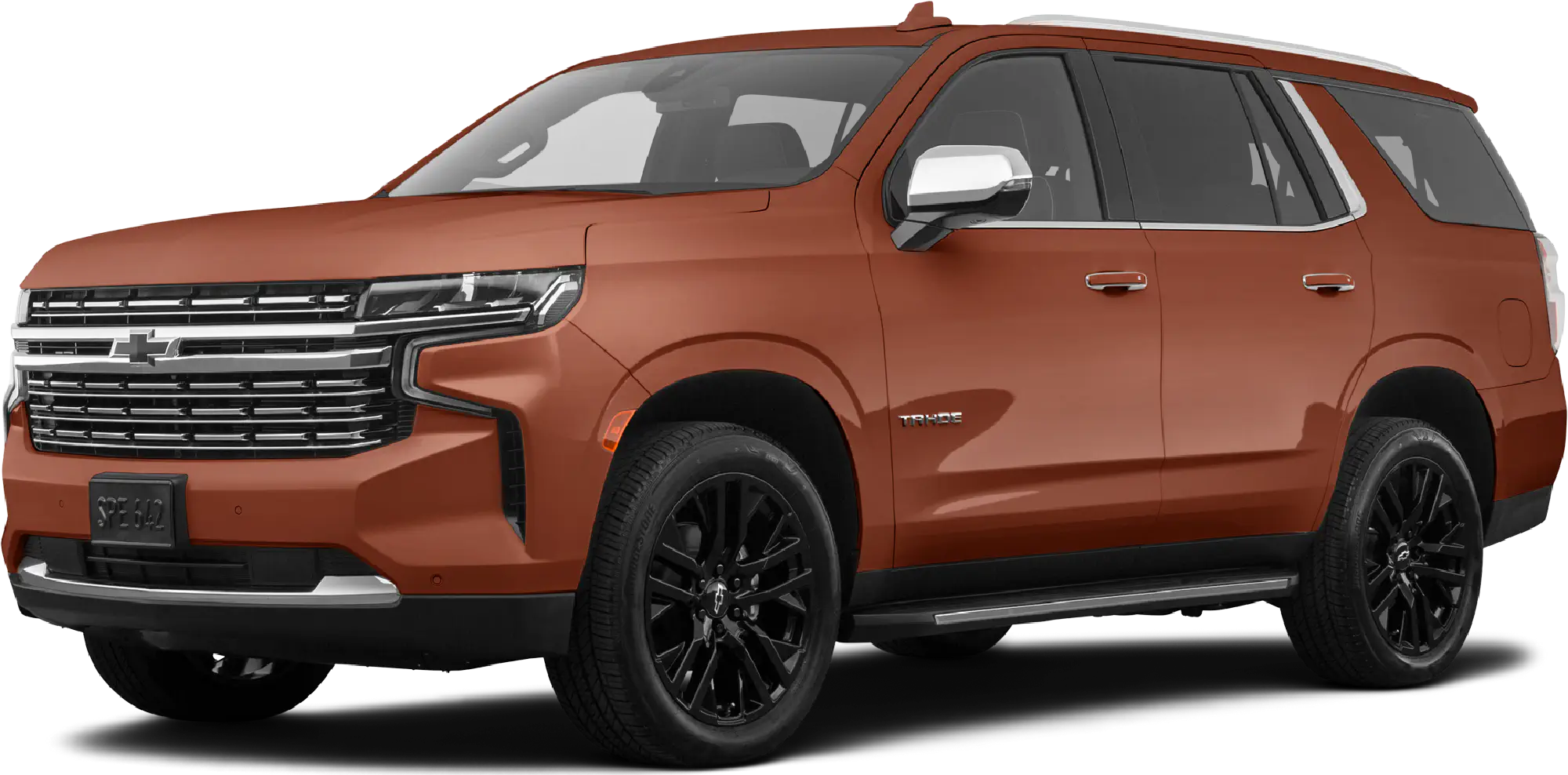
Chevrolet has developed the Tahoe into a versatile full-size SUV capable of serving families, outdoor enthusiasts, and drivers seeking near-luxury transportation. Across recent model years, the Tahoe lineup has included six primary trims: LS, LT, RST, Z71, Premier, and High Country.
Although these models share the same basic platform, differences in standard equipment, drivetrain configurations, suspension technology, and interior appointments create noticeably different ownership experiences.
| Chevy Tahoe Trim | Primary Strength | Ideal Buyer |
|---|---|---|
| LS | Affordability and practicality | Budget-conscious families |
| LT | Comfort and overall value | Everyday drivers |
| RST | Sport-inspired appearance | Style-focused buyers |
| Z71 | Off-road capability | Outdoor enthusiasts |
| Premier | Luxury and convenience | Frequent travelers |
| High Country | Premium features and performance | Luxury SUV shoppers |
The exact equipment available on each trim depends on the model year, optional packages, and powertrain selection. Buyers should verify individual vehicle specifications rather than assuming every Tahoe with the same badge includes identical features.
For buyers who prioritize affordability, the Chevrolet Tahoe LS provides the essential qualities that make this SUV appealing without requiring a substantial investment in luxury equipment. Its spacious three-row cabin, considerable cargo capacity, and available towing capability make it a practical choice for families who need a large vehicle.
The LS generally includes the core infotainment and driver-assistance technology offered across the lineup, although specific features vary by model year. Its relatively straightforward equipment package can also appeal to long-term owners who prefer fewer expensive convenience systems to maintain.
The Tahoe LT builds on that foundation with additional comfort and convenience features, potentially including upgraded upholstery, enhanced seating adjustments, and more sophisticated technology packages.
For most families, the LT represents a particularly attractive balance between affordability and everyday comfort. It provides a more upscale driving experience than the LS without approaching the substantial purchase prices associated with the Premier and High Country.
When comparing these two Chevy Tahoe trim levels, the LT is generally worth considering if the additional equipment will be used regularly. Buyers focused primarily on transportation, cargo space, and towing may find the LS equally satisfying.
The Tahoe RST and Z71 occupy distinctive positions within Chevrolet’s lineup, appealing to drivers who want something beyond a conventional family SUV.
The RST emphasizes appearance, incorporating sport-inspired exterior styling, distinctive wheel designs, and unique interior details. Depending on the model year, certain performance-oriented equipment and engine configurations may also be available.
Although the RST looks more athletic than the LS or LT, its fundamental purpose remains comfortable everyday transportation. Larger wheels and lower-profile tires can influence ride quality and replacement costs, making those details worth considering before purchasing.
The Tahoe Z71 takes a more capability-focused approach, incorporating equipment intended to improve performance on rough roads and challenging terrain.
Features such as all-terrain tires, underbody protection, four-wheel-drive hardware, and a specially designed front fascia help distinguish the Z71 from street-oriented Tahoe models.
For buyers who frequently travel on unpaved roads, visit remote recreation areas, or encounter difficult weather conditions, the Z71 offers meaningful advantages.
Drivers who spend nearly all their time on pavement may find the RST more appropriate, particularly if its distinctive appearance is the primary attraction.
Buyers seeking a more luxurious full-size SUV will naturally gravitate toward the Premier and High Country, which introduce additional comfort, technology, and refinement.
The Tahoe Premier typically includes upgraded interior materials, premium convenience features, and access to sophisticated suspension and driver-assistance technology. These improvements can make long-distance travel noticeably more comfortable, particularly for families who regularly spend several hours on the highway.
The High Country takes the Tahoe further into luxury territory, adding exclusive styling details, premium cabin appointments, and additional standard equipment.
Recent High Country models have featured a standard 6.2-liter V8, giving the flagship Tahoe a distinctive performance character compared with trims equipped with smaller engines. Engine availability and specifications vary by model year.
Advanced suspension systems can also contribute to the High Country’s refined driving experience, although those components may introduce additional repair expenses as the vehicle ages.
For buyers who appreciate premium equipment but remain sensitive to long-term ownership costs, the Premier may represent the better financial decision. The High Country is most appealing when its additional features and distinctive presentation justify the higher purchase price.
Determining the best Tahoe trim involves evaluating more than the manufacturer’s suggested retail price. Optional equipment, financing costs, insurance premiums, depreciation, and future maintenance expenses can significantly influence the total cost of ownership.
Higher trims typically introduce more sophisticated electronics, larger wheels, and additional comfort systems. Although these features improve the ownership experience, they can also increase replacement-part prices and diagnostic complexity.
| Tahoe Trim | Relative Purchase Price | Ownership Considerations |
|---|---|---|
| LS | Lowest | Fewer optional luxury systems |
| LT | Low to moderate | Balanced equipment and complexity |
| RST | Moderate to high | Larger wheels and performance options |
| Z71 | Moderate to high | Off-road equipment and 4WD maintenance |
| Premier | High | Premium electronics and suspension options |
| High Country | Highest | Luxury technology and advanced components |
Used Tahoe shoppers should pay particular attention to depreciation. A well-maintained Premier or High Country may become considerably more affordable after several years, although expensive replacement components do not necessarily depreciate at the same rate as the vehicle itself.
This distinction makes maintenance history, vehicle condition, and remaining warranty coverage especially important when evaluating higher-trim used examples.
Modern Chevrolet Tahoes rely on sophisticated powertrains, electronic control modules, and increasingly complex suspension systems. While these technologies improve performance, efficiency, and comfort, repairs can become expensive once the original manufacturer’s warranty expires.
Potential expenses vary significantly by engine, model year, drivetrain, and installed equipment. A Tahoe with conventional suspension hardware may have different repair requirements than a High Country equipped with advanced ride-control technology.
The following estimates illustrate approximate repair expenses that owners may encounter at independent repair facilities or dealerships.
| Repair or Diagnostic Service | Estimated Cost |
|---|---|
| Electronic diagnostic inspection | $100–$250 |
| Transmission fluid service | $250–$500 |
| Water pump replacement | $500–$1,100 |
| Suspension component replacement | $400–$1,500 |
| Electronic or air suspension repair | $800–$3,000+ |
| Transmission replacement | $4,000–$8,000+ |
| Major engine repair | $3,000–$8,000+ |
These figures are general estimates rather than model-specific repair quotations, and actual expenses may fall outside the listed ranges.
Importantly, higher trim levels do not automatically experience more mechanical failures. Their additional equipment simply creates more potential repair points, particularly as the vehicle accumulates mileage.
Owners should also recognize that routine maintenance, including tires, brake pads, fluid changes, and other wear items, is generally treated differently from unexpected mechanical breakdowns under vehicle service contracts.
Regardless of which Tahoe trim you purchase, preventive maintenance remains one of the most effective ways to control long-term ownership expenses. Following Chevrolet’s recommended maintenance schedule helps protect major mechanical systems while identifying developing problems before they become more expensive.
Engine oil changes deserve particular attention, especially for vehicles frequently used for towing, short-distance driving, or demanding operating conditions. Using the correct oil specification and monitoring fluid levels can help reduce unnecessary engine wear.
Transmission maintenance is equally important, particularly for Tahoes that regularly tow trailers or operate under heavy loads. Owners should follow the service intervals applicable to their specific engine, transmission, and driving conditions.
Four-wheel-drive models may require additional attention to transfer case and differential fluids, while Z71 owners should inspect underbody protection, tires, and suspension components after demanding off-road use.
Tahoes equipped with advanced suspension systems should also be monitored for unusual noises, changes in ride height, or deteriorating ride quality.
When purchasing a used Tahoe, reviewing service records and arranging a professional pre-purchase inspection can provide valuable insight into the vehicle’s condition.
A complete maintenance history is often more meaningful than choosing a particular trim badge, especially when comparing vehicles with substantially different mileage.
A Technical Service Bulletin, or TSB, is a manufacturer-issued document that provides dealership technicians with diagnostic information, updated repair procedures, or guidance concerning specific vehicle conditions. Unlike a safety recall, a TSB does not necessarily require a free repair or indicate that every vehicle will experience the described problem.
Tahoe owners can research manufacturer communications, technical service information, safety recalls, and reported vehicle complaints through the National Highway Traffic Safety Administration. Searching by model year and vehicle identification number can help owners identify information relevant to their particular Tahoe.
Chevrolet Tahoe reliability depends on several factors, including model year, powertrain selection, maintenance history, driving conditions, and overall vehicle care. Choosing a higher trim does not automatically make a Tahoe less dependable, although additional technology can increase potential repair expenses.
A basic LS may have fewer premium electronic and suspension components than a High Country, while a Z71 regularly driven off-road may experience different wear patterns than an LT used primarily for highway commuting.
Buyers planning to keep their Tahoe for many years should evaluate these differences carefully, particularly if ownership will extend beyond the original warranty period.
For shoppers considering a used vehicle, a thorough inspection and documented maintenance history should take priority over cosmetic condition or optional equipment.
Ultimately, the best Tahoe trim is the one that provides the features you genuinely need without creating unnecessary financial commitments.
The Chevrolet Tahoe LT is generally the best Tahoe trim for the money because it combines everyday practicality with additional comfort and convenience features. Buyers seeking a more luxurious experience without paying High Country prices should also consider the Premier.
The Tahoe Z71 is better suited to rough roads and off-road driving, while the RST emphasizes sporty styling and everyday pavement performance. The better choice depends on whether additional terrain capability or distinctive appearance matters more.
The High Country generally offers more exclusive styling, additional premium equipment, and upscale powertrain configurations. The Premier provides many desirable luxury features at a lower purchase price, making it a compelling alternative for value-conscious buyers.
The Tahoe LS may offer lower long-term repair exposure because it typically includes fewer optional luxury systems. Maintenance expenses still depend heavily on the engine, drivetrain, mileage, driving conditions, and service history.
A used Tahoe High Country can represent excellent value when depreciation has reduced its purchase price and the vehicle has been properly maintained. Buyers should carefully inspect its suspension, electronics, drivetrain, and service records because premium components can remain expensive to repair.
Choosing the right Chevrolet Tahoe involves balancing purchase price, comfort, capability, and the cost of keeping a sophisticated full-size SUV on the road for years to come. Whether the practical LT, adventurous Z71, or luxurious High Country best fits your needs, understanding potential maintenance and repair expenses is an important part of making a confident purchase.
For owners planning to keep their Tahoe beyond its original manufacturer’s warranty, extended vehicle service coverage may provide additional financial protection against certain unexpected mechanical repairs.
Granger Warranty offers vehicle protection options with transparent pricing and a straightforward online purchasing experience, allowing eligible owners to review available coverage without unnecessary sales pressure.
Coverage availability, covered components, exclusions, deductibles, and repair procedures depend on the specific contract, making it important to review plan details before purchasing.
Visit Granger Warranty to explore available vehicle protection options and determine whether extended coverage makes sense for your Chevrolet Tahoe.
Stay up to date with the latest news from Granger Warranty