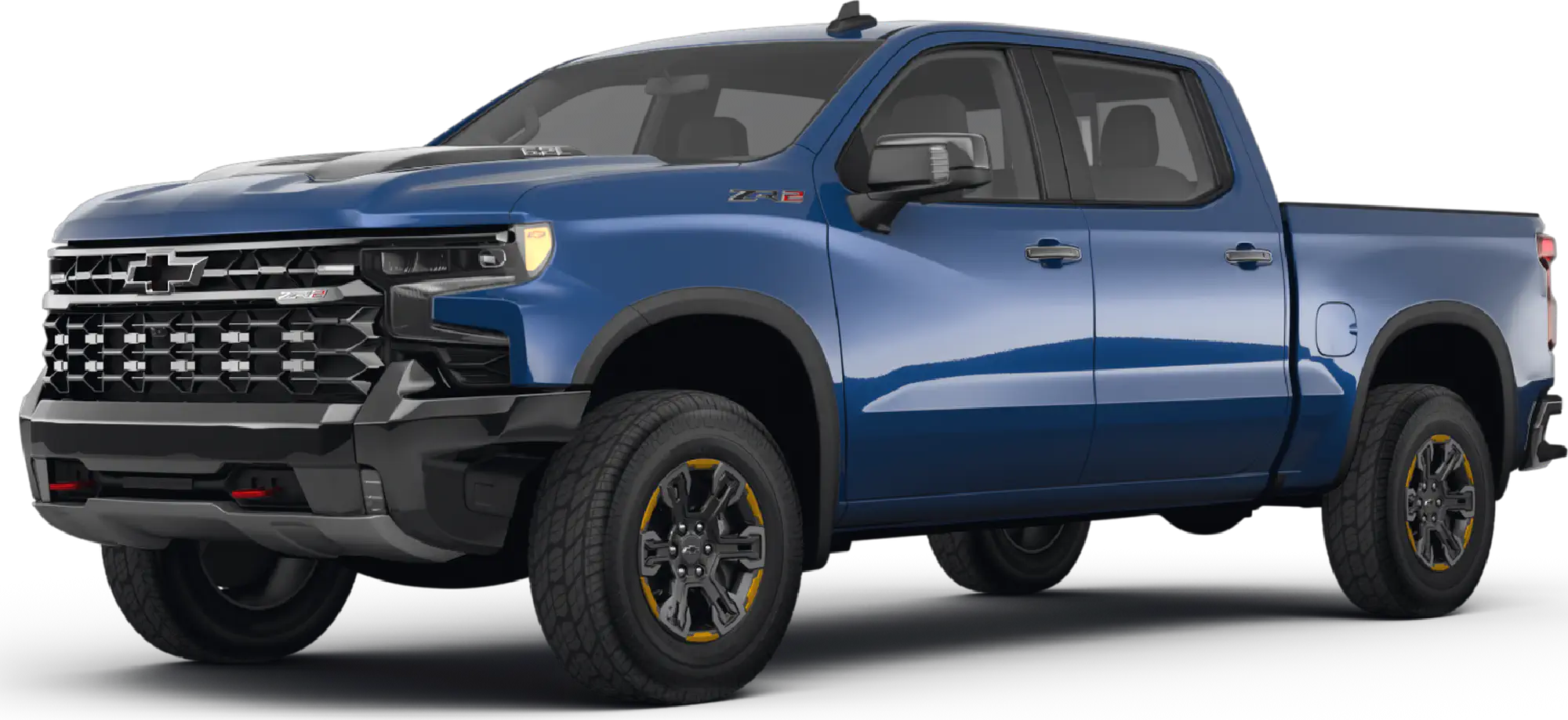
Best GM Luxury Truck: Silverado High Country vs Sierra Denali vs Sierra Denali Ultimate
Luxury pickup trucks have evolved far beyond leather seats, chrome accents, and powerful V8 engines.
Today’s premium full-size trucks combine sophisticated technology, impressive towing capabilities, upscale interiors, and advanced driver assistance systems that rival many luxury SUVs. For buyers comparing the Chevrolet Silverado High Country, GMC Sierra Denali, and GMC Sierra Denali Ultimate, choosing the right truck involves understanding which features genuinely improve the ownership experience.
Among General Motors’ premium pickups, the Silverado High Country vs Sierra Denali comparison is particularly compelling because both trucks share fundamental engineering while offering noticeably different approaches to luxury. Meanwhile, the Sierra Denali Ultimate introduces another level of refinement, making it a serious contender for shoppers searching for the best luxury pickup available from GM.
Chevrolet and GMC have spent decades developing full-size pickups that balance capability, durability, and everyday comfort. Their premium trim levels demonstrate how dramatically the modern truck market has changed, with upscale cabins, sophisticated suspension technology, and available hands-free driving assistance transforming vehicles once purchased primarily for work.
Silverado High Country represents Chevrolet’s luxury-oriented approach, combining traditional truck styling with premium appointments and substantial capability. Sierra Denali takes a more distinctive route, emphasizing exclusive design elements, upscale materials, and technologies that distinguish it from mainstream pickups.
Sierra Denali Ultimate builds upon that foundation with an even more luxurious interior, additional premium equipment, and distinctive exterior styling. Although all three trucks share GM’s full-size pickup architecture, their differences become increasingly apparent when examining standard equipment, interior quality, and overall value.
For shoppers considering these models, the ideal choice depends less on basic truck capability and more on how much luxury, technology, and convenience they expect from their vehicle.
Understanding the distinctions between these premium trucks begins with their positioning within the Chevrolet and GMC lineups. Each offers a different combination of comfort, technology, and visual sophistication, even though their underlying mechanical components are closely related.
| Feature | Silverado High Country | Sierra Denali | Sierra Denali Ultimate |
|---|---|---|---|
| Luxury Positioning | Chevrolet’s premium trim | GMC’s premium luxury trim | GMC’s flagship luxury trim |
| Interior Materials | Premium leather-appointed seating | Upscale leather and distinctive trim | Exclusive leather, open-pore wood, and premium detailing |
| Infotainment | 13.4-inch touchscreen on recent models | 13.4-inch touchscreen on recent models | 13.4-inch touchscreen on recent models |
| Super Cruise | Available on select configurations | Available on select configurations | Typically standard on recent models |
| Suspension | Premium suspension tuning | Available Adaptive Ride Control | Premium adaptive suspension equipment |
| Tailgate | Available Multi-Flex Tailgate | Available MultiPro Tailgate | MultiPro Tailgate with premium equipment |
| Overall Appeal | Luxury with strong value | Distinctive styling and refinement | Maximum luxury and technology |
Features and standard equipment vary by model year, configuration, and package availability. Buyers should verify specifications for the exact truck they are considering.
While Silverado High Country delivers much of the comfort buyers expect from a luxury pickup, Sierra Denali distinguishes itself through GMC-specific design and premium equipment. Denali Ultimate goes further by offering materials and features intended to create a more exclusive ownership experience.
Interior quality represents one of the most meaningful differences between these trucks, particularly for drivers who spend considerable time commuting, traveling, or towing.
Silverado High Country offers leather-appointed seating, heated and ventilated front seats on recent models, attractive trim accents, and an expansive infotainment display. Its cabin feels substantially more upscale than lower Silverado trims, although some interior materials remain similar to those found throughout the Chevrolet lineup.
Sierra Denali introduces a more distinctive cabin environment, featuring unique stitching, premium upholstery, and decorative trim that emphasizes GMC’s luxury identity. The overall design feels more specialized, even though much of the dashboard architecture and infotainment technology is shared with Silverado.
Denali Ultimate takes the most ambitious approach, incorporating exclusive leather upholstery, authentic wood trim, intricate stitching, and distinctive interior detailing. On recent models, features such as massaging front seats and an upscale audio system further separate the Ultimate from its less expensive counterparts.
For drivers who primarily want comfortable seating, intuitive technology, and a quiet highway ride, High Country may provide everything necessary. Buyers who appreciate richer materials and a more exclusive atmosphere may find Sierra Denali or Denali Ultimate worth the additional investment.
Despite their different luxury positioning, these trucks offer many of the same GM powertrains. Depending on model year and configuration, buyers may encounter the 5.3-liter V8, 6.2-liter V8, or 3.0-liter Duramax turbo-diesel inline-six.
Engine availability differs between trims, and the Sierra Denali Ultimate generally emphasizes GM’s more powerful premium engine choices.
| Engine | Approximate Horsepower | Approximate Torque | Primary Advantage |
|---|---|---|---|
| 5.3L EcoTec3 V8 | 355 hp | 383 lb-ft | Balanced everyday performance |
| 6.2L EcoTec3 V8 | 420 hp | 460 lb-ft | Strong acceleration and towing performance |
| 3.0L Duramax Turbo-Diesel | 305 hp | 495 lb-ft | Excellent low-end torque and highway efficiency |
Figures reflect representative recent GM 1500-series engine specifications. Earlier diesel versions and individual model years may have different ratings.
The 6.2-liter V8 delivers effortless acceleration and confident passing performance, particularly when carrying passengers or traveling at highway speeds. Its smooth power delivery complements the premium character of High Country, Denali, and Denali Ultimate.
The Duramax diesel provides a different experience, emphasizing substantial low-speed torque and fuel efficiency. Drivers who regularly travel long distances or tow trailers may appreciate its relaxed highway performance and comparatively economical operation.
Towing capacity depends on more than engine output, however. Cab configuration, axle ratio, drivetrain, wheel selection, and optional equipment all influence the maximum allowable trailer weight.
Buyers should consult the specific truck’s trailering information rather than assuming every luxury trim can tow the same amount.
Technology has become a major selling point in the premium pickup segment, and GM’s latest full-size trucks offer features that would have seemed extraordinary in a pickup just a decade ago.
Recent versions of these trucks feature a large central touchscreen, digital instrument displays, wireless smartphone integration, and available advanced camera systems. These technologies are particularly useful when maneuvering a large pickup through parking lots, navigating unfamiliar roads, or positioning a trailer.
One of GM’s most notable features is Super Cruise, its hands-free driver assistance technology for compatible roads and operating conditions. Availability varies by trim and model year, with Denali Ultimate generally offering the most comprehensive standard equipment.
Super Cruise can reduce some of the workload associated with long highway drives, although the driver must remain attentive and prepared to take control. Its usefulness may be especially appealing to owners who regularly cover hundreds of highway miles.
Ride quality also deserves consideration. Sierra Denali and Denali Ultimate offer premium suspension technologies designed to improve body control and comfort, while Silverado High Country provides a composed driving experience without necessarily including every advanced suspension feature.
A thorough test drive remains essential because wheel size, tire selection, and suspension configuration can influence comfort as much as the trim badge.
Premium trucks introduce additional convenience and performance features, but greater mechanical and electronic complexity can also increase repair expenses as vehicles accumulate mileage.
High Country, Denali, and Denali Ultimate share numerous components, including engines, transmissions, drivetrain systems, and electronic architecture. Their differences in premium equipment may create additional repair considerations, particularly when advanced driver assistance, adaptive suspension, or specialized interior features require attention.
| Potential Repair | Approximate Repair Cost |
|---|---|
| Infotainment Display or Module Replacement | $700 to $2,000 |
| Adaptive Suspension Component Replacement | $600 to $1,800 |
| Transmission Repair | $1,500 to $4,500 |
| Transmission Replacement | $4,500 to $8,000+ |
| Engine-Related Major Repair | $2,000 to $6,000+ |
| Advanced Driver Assistance Sensor Replacement and Calibration | $500 to $2,000+ |
These are broad illustrative estimates, not model-specific repair quotes. Actual expenses depend on model year, diagnosis, labor rates, parts requirements, and warranty coverage.
An illuminated warning light or malfunctioning convenience feature does not automatically indicate an expensive repair. Diagnosis should begin with fault-code retrieval, battery and charging-system evaluation, software checks, and inspection of the affected components.
Luxury truck owners should also distinguish between manufacturer warranty coverage and optional vehicle service contracts. Certain mechanical or electrical failures may qualify for coverage under an eligible plan, while maintenance, wear items, and excluded components generally remain the owner’s responsibility.
Consistent maintenance remains one of the most effective ways to preserve the performance and reliability of any premium GM pickup. Although luxury equipment receives considerable attention, the engines, transmissions, cooling systems, and drivetrains still determine much of the vehicle’s long-term durability.
Owners should follow GM’s maintenance schedule for their particular engine and driving conditions, including oil changes, fluid inspections, cooling-system service, and drivetrain maintenance. Trucks used for frequent towing, extensive idling, or demanding driving conditions may require additional attention under the manufacturer’s severe-service recommendations.
Tire maintenance also matters because larger wheels and performance-oriented tires can influence ride comfort, replacement expenses, and handling. Proper inflation, regular rotation, and alignment inspections help preserve both driving quality and tire life.
Electrical systems deserve attention as well. Modern trucks depend on stable battery voltage and properly functioning control modules, making battery testing and timely software updates important parts of preventive maintenance.
A Technical Service Bulletin, commonly called a TSB, is a manufacturer-issued document that provides service professionals with diagnostic guidance, repair procedures, or information about known vehicle conditions. Unlike a safety recall, a TSB does not automatically require a manufacturer-funded repair, and coverage depends on the circumstances and applicable warranty terms.
Owners researching a Silverado High Country, Sierra Denali, or Denali Ultimate can review manufacturer communications and recall information through the National Highway Traffic Safety Administration. Searching by vehicle identification number or model details helps identify information relevant to a particular truck.
Luxury pickups are not inherently less reliable than their mainstream counterparts, especially when they share proven mechanical components. Nevertheless, the additional technology and specialized equipment found on premium trims can create more potential repair expenses as vehicles age.
A buyer planning to keep a truck for three or four years may prioritize initial pricing, comfort, and resale value. Someone intending to retain the vehicle beyond 100,000 miles should also consider long-term maintenance, repair exposure, and available protection options.
Denali Ultimate’s additional features may be worthwhile for owners who genuinely use them, but they are less compelling for buyers who primarily want a powerful, comfortable truck. In that situation, Silverado High Country or Sierra Denali may represent a more balanced purchase.
A pre-purchase inspection is particularly important when shopping for a used luxury pickup. Service history, transmission operation, suspension condition, electronic functionality, and evidence of previous towing or heavy-duty use deserve careful evaluation.
Choosing between these three trucks ultimately comes down to how much value a buyer places on premium materials, advanced features, and distinctive styling.
Silverado High Country is arguably the strongest value proposition because it provides upscale comfort, capable powertrains, and substantial technology without requiring buyers to move into GMC’s most expensive luxury configurations.
Sierra Denali represents a compelling middle ground, combining recognizable premium styling with refined interior appointments and sophisticated available equipment. It appeals to drivers who want something more distinctive than a traditional luxury-trim Chevrolet.
Sierra Denali Ultimate is the choice for buyers who want the most luxurious interpretation of GM’s half-ton pickup platform. Its exclusive interior finishes and extensive equipment make it particularly attractive for long-distance driving and owners who spend significant time behind the wheel.
The most sensible approach is to compare similarly equipped trucks rather than focusing exclusively on trim names. A well-optioned High Country may offer many of the same functional advantages as a Denali, while Ultimate’s premium materials and standard features may justify its higher price for the right buyer.
Silverado High Country often provides stronger value for buyers prioritizing comfort, capability, and technology at a competitive price. Sierra Denali generally offers more distinctive luxury styling and premium appointments, making it appealing to shoppers who place greater importance on interior presentation and exclusivity.
Sierra Denali Ultimate adds exclusive interior materials, distinctive exterior details, and a more comprehensive collection of premium features. Depending on model year, these can include advanced driver assistance technology, massaging front seats, premium audio, and specialized suspension equipment.
All three trucks can provide substantial towing capability when properly configured, although the highest towing ratings are not necessarily associated with the most luxurious trim. Buyers should compare the specific vehicle’s tow rating, payload capacity, engine, axle configuration, and trailering equipment before selecting a truck.
Denali Ultimate may justify its premium for buyers who regularly use its advanced technology, appreciate high-end interior materials, and plan to spend considerable time driving. Drivers who primarily need towing capability and everyday comfort may find High Country or standard Denali a more economical choice.
Routine maintenance costs are generally comparable when the trucks share engines and drivetrain components. Additional expenses can arise from premium suspension systems, specialized electronics, advanced driver assistance equipment, and luxury interior features, particularly after the original manufacturer warranty expires.
Whether you choose Silverado High Country for its value, Sierra Denali for its refined character, or Denali Ultimate for its exceptional luxury, long-term ownership involves more than the initial purchase price. Modern premium pickups contain sophisticated mechanical and electronic systems that can become expensive to repair once manufacturer warranty protection ends.
Granger Warranty helps eligible vehicle owners explore extended vehicle protection options with transparent pricing and coverage information. Reviewing available plans, covered components, exclusions, deductibles, and eligibility requirements can help determine whether additional protection makes sense for your truck and ownership plans.
Before committing to a premium pickup, consider how long you intend to keep it, how frequently you tow, and which repair expenses you would prefer to manage through a vehicle service contract. Comparing those factors alongside the purchase price can make the difference between choosing the most luxurious truck and selecting the one that delivers the best overall ownership experience.
Explore available coverage options at Granger Warranty and find a protection plan that fits your GM luxury pickup.
Stay up to date with the latest news from Granger Warranty