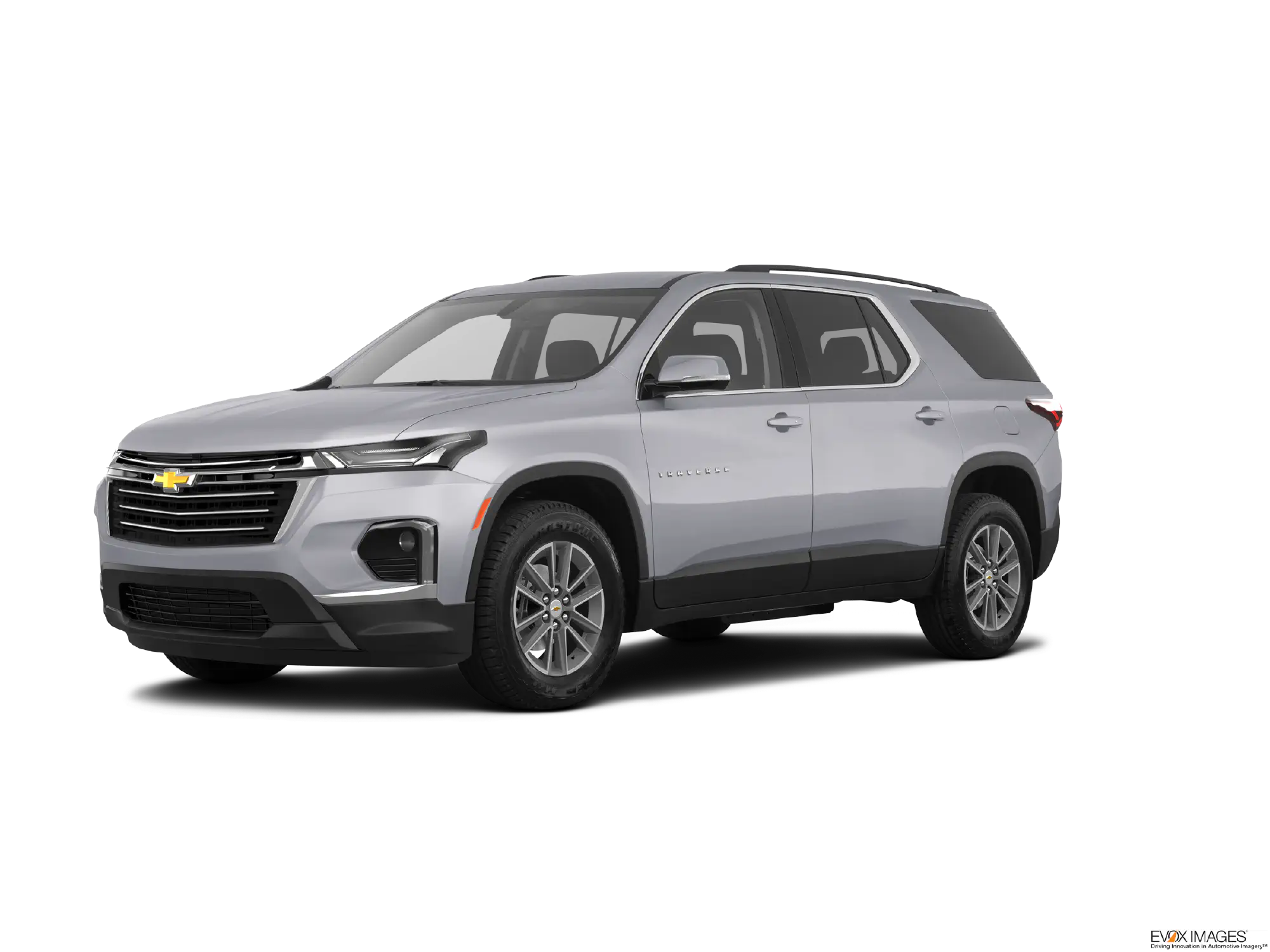
Best GM Three-Row SUV: Traverse vs Enclave vs Acadia
Shopping for a three-row SUV within General Motors’ lineup can quickly turn into a surprisingly close comparison.
Chevrolet Traverse, Buick Enclave, and GMC Acadia all target families who need real passenger space, useful cargo capacity, and enough capability for road trips, commuting, and everyday errands.
A GM Three-Row SUV Comparison is more complicated than simply choosing the least or most expensive badge. Recent versions of these SUVs have moved closer together mechanically in some respects, while their personalities, equipment strategies, interior treatments, and ownership costs can still differ significantly.
For many buyers, the Traverse is the practical value play, the Enclave emphasizes comfort and refinement, and the Acadia splits the difference with a more rugged GMC personality. Choosing between them comes down to how you prioritize passenger room, features, driving experience, price, and potential long-term repair exposure.
Chevrolet positions the Traverse as a family-focused SUV with an emphasis on usable space and mainstream pricing. It makes sense for shoppers who want three rows without paying extra primarily for luxury-oriented materials or styling.
Buick takes a different approach with the Enclave. Its mission is quieter, more polished transportation, with additional attention paid to cabin presentation, comfort, technology, and a premium feel.
GMC’s Acadia has traditionally occupied a position between mainstream Chevrolet and more upscale GM offerings. Current models combine three-row practicality with GMC’s truck-inspired styling and trims designed to appeal to drivers who want a more adventurous appearance.
| Category | Chevrolet Traverse | Buick Enclave | GMC Acadia |
|---|---|---|---|
| Best Fit | Value-focused families | Comfort-focused families | Buyers wanting upscale, rugged styling |
| Third Row | Strong family usability | Strong family usability | Strong family usability |
| Cabin Character | Practical and modern | More premium and refined | Rugged and upscale |
| Ownership Priority | Space for the money | Comfort and features | Capability and styling |
| Ideal Shopper | Family utility buyer | Near-luxury buyer | Versatility-focused buyer |
Model year matters considerably when making this comparison. GM has redesigned these vehicles at different points, meaning a used Traverse, Enclave, or Acadia may have substantially different engines, transmissions, dimensions, and technology than the newest versions.
Mechanical complexity deserves attention because today’s three-row SUVs depend on turbocharging, sophisticated automatic transmissions, electronic modules, driver-assistance hardware, and extensive infotainment systems.
Newer Traverse, Enclave, and Acadia models have increasingly adopted turbocharged four-cylinder powertrains. Turbo engines can deliver strong torque from relatively small displacement, but they also introduce components such as turbochargers, intercooler plumbing, boost-control hardware, and additional thermal-management demands.
Older examples may use naturally aspirated V6 engines instead. Some shoppers prefer the smoother character and familiarity of a V6, while newer turbocharged configurations can offer strong low-rpm response and competitive efficiency.
Transmission behavior should also be evaluated during a test drive. Shifts should generally feel predictable and consistent without excessive hesitation, slipping, harsh engagement, or unusual noises.
All-wheel-drive models introduce additional drivetrain components compared with front-wheel-drive versions. AWD can be worthwhile for snow, mountain driving, wet roads, and certain recreational uses, but transfer components, differentials, sensors, and related hardware also create additional potential repair points as the vehicle ages.
That does not automatically make AWD a poor choice. It simply makes maintenance history and a thorough pre-purchase inspection more important.
No Traverse, Enclave, or Acadia should automatically be considered unreliable simply because modern repairs can be expensive. The larger issue is that complex vehicles can produce significant bills when major components fail outside warranty coverage.
Initial diagnostic charges may run roughly $150 to $250 depending on the dealership, repair facility, market, and complexity of the problem. Advanced electrical or intermittent problems can require substantially more diagnostic time.
Potential out-of-pocket costs can vary widely:
| Repair Category | Approximate Cost Range |
|---|---|
| Basic Computer Diagnosis | $150 to $250+ |
| Sensor or Electronic Component | $200 to $1,000+ |
| Infotainment or Display Repair | $500 to $2,000+ |
| A/C System Repair | $500 to $2,500+ |
| Turbocharger-Related Repair | $1,500 to $4,000+ |
| AWD/Drivetrain Repair | $1,500 to $5,000+ |
| Major Transmission Repair | $3,500 to $7,000+ |
| Major Engine Repair | $5,000 to $10,000+ |
These figures are broad estimates rather than quotes. Labor rates, model year, drivetrain, replacement-part choices, location, diagnostic findings, and the exact component involved can change the final invoice substantially.
This is also where differences between new and used vehicles become important. A newer SUV may still have meaningful original warranty coverage, while an older or higher-mileage example can expose the owner to considerably more financial risk.
Good maintenance cannot prevent every failure, but it can help reduce avoidable problems and make emerging issues easier to identify.
Oil changes deserve particular attention on turbocharged engines. Using the correct oil specification and following the appropriate service interval helps protect heavily loaded internal engine and turbocharger components.
Transmission, coolant, brake fluid, and AWD-system maintenance should also follow the schedule appropriate for the specific model year and driving conditions. Severe-duty operation, frequent towing, short trips, mountain driving, and extreme temperatures can justify closer attention.
Tires are especially important on AWD vehicles. Significant differences in tire circumference caused by mismatched tires or uneven wear can place additional stress on certain AWD systems.
Used-vehicle buyers should request service records whenever possible. A well-documented vehicle with consistent maintenance is generally easier to evaluate than an SUV with an unknown history, even when the undocumented example has fewer miles.
A professional pre-purchase inspection is also worthwhile. The technician should inspect for fluid leaks, diagnostic trouble codes, abnormal drivetrain noises, suspension wear, cooling-system concerns, tire condition, and evidence of previous collision repairs.
Technical Service Bulletins, commonly called TSBs, are communications manufacturers provide to dealerships and technicians concerning known symptoms, diagnostic procedures, repair methods, or updated service information. A TSB is not automatically a recall, and its existence does not necessarily mean every vehicle of that model will develop the condition described.
Before purchasing a Traverse, Enclave, or Acadia, owners can research TSB information through the National Highway Traffic Safety Administration. Search by the exact model year, make, and model rather than assuming an issue affecting one generation applies to every vehicle carrying the same name.
Recall history should also be checked by VIN when evaluating a specific used vehicle. TSB and recall research, combined with maintenance records and an independent inspection, provides a much clearer picture than online anecdotes alone.
Reliability should influence the decision, but it should not necessarily determine the winner by itself.
Traverse, Enclave, and Acadia models can share engineering and components depending on the generation, so choosing a different GM badge does not always eliminate a particular mechanical risk. Model year, powertrain, maintenance history, mileage, and previous use can matter more than the nameplate.
For a used SUV, condition often outweighs small theoretical reliability differences. A carefully maintained Enclave with complete records may be a smarter purchase than a neglected Traverse with lower mileage, and the reverse can be equally true.
Technology is another consideration. Large displays, cameras, parking sensors, adaptive driver-assistance equipment, powered seats, climate-control systems, and electronic modules make these SUVs more convenient, but they can also become expensive once warranty coverage expires.
Buyers planning to keep their SUV well beyond the original warranty period should therefore consider total ownership exposure rather than concentrating exclusively on purchase price.
Traverse makes a compelling case for families prioritizing space, practicality, and value. If the objective is getting substantial passenger and cargo capability without moving toward premium-brand pricing, Chevrolet is difficult to ignore.
Enclave makes more sense when refinement carries additional weight. Buyers who spend considerable time on highways or family road trips may appreciate its emphasis on cabin comfort and premium presentation.
Acadia suits shoppers who want family practicality with a more distinctive, rugged character. Depending on trim, it can bridge the gap between mainstream transportation and a more upscale or adventure-oriented SUV.
| Buyer Priority | Best Starting Point |
|---|---|
| Maximum Family Value | Chevrolet Traverse |
| Comfort and Refinement | Buick Enclave |
| Rugged Styling and Versatility | GMC Acadia |
| Used-Vehicle Shopping | Compare Condition and Service History |
| Long-Term Ownership | Compare Coverage and Repair Exposure |
There is no universal winner because each buyer assigns different value to space, comfort, equipment, styling, and price. Test-driving all three back-to-back can reveal differences that specification sheets cannot.
Families who intend to keep a Traverse, Enclave, or Acadia for many years should think beyond the monthly payment.
An unexpected transmission, turbocharger, electrical, climate-control, or drivetrain repair can materially change the ownership-cost equation. Extended coverage can help turn some qualifying unexpected repair expenses into more predictable ownership costs, subject to the specific contract’s terms, exclusions, deductible, and eligibility requirements.
Granger Warranty focuses on straightforward coverage options and transparent pricing for eligible vehicles. Shoppers can visit Granger Warranty to review available options and determine whether extended protection makes sense for their expected ownership period.
Coverage should always be evaluated before purchase rather than assumed. Read the applicable plan documents carefully so you understand covered components, exclusions, maintenance requirements, deductibles, and other terms.
Traverse is a strong starting point for families who prioritize passenger space and overall value. Enclave deserves consideration when comfort and refinement matter more, while Acadia is attractive for shoppers wanting a more rugged GMC character.
The best choice ultimately depends on trim, model year, price, drivetrain, and how the SUV will actually be used.
Enclave is not automatically better, but it generally targets a more premium buyer. Interior presentation, comfort features, and refinement can justify its additional cost for some shoppers.
Traverse may represent better value when usable family space and equipment per dollar are the primary considerations.
Acadia can be a strong family choice, particularly in newer configurations that emphasize passenger room, technology, and versatility. Its GMC styling also appeals to buyers who prefer a more truck-inspired appearance.
As with the Traverse and Enclave, evaluate the exact model year rather than judging every Acadia generation as mechanically identical.
Start with service records, accident history, recall status, tire condition, fluid condition, warning lights, and a thorough test drive. A professional pre-purchase inspection can identify problems that are difficult to detect during a dealership walkaround.
Also research TSB information for the exact model year and have the vehicle scanned for stored diagnostic trouble codes when appropriate.
It can make sense for owners who expect to keep the SUV beyond its original warranty period and prefer protection against certain qualifying repair costs. The value depends on the vehicle’s age, mileage, expected ownership period, coverage level, price, and the owner’s tolerance for unexpected repair bills.
Compare the actual coverage terms rather than choosing solely on price.
Choosing between Traverse, Enclave, and Acadia is ultimately about matching the vehicle to your family’s priorities. Traverse emphasizes practical value, Enclave leans toward comfort and refinement, and Acadia combines three-row usefulness with GMC’s more rugged personality.
Whichever SUV fits best, long-term ownership deserves the same attention as the purchase decision. Modern GM SUVs contain sophisticated powertrain, drivetrain, electronic, climate-control, and safety systems that can become costly to repair as mileage accumulates.
If you are buying an eligible GM vehicle or planning to keep your current SUV after its original coverage expires, compare extended coverage before repair risk shifts entirely to your household budget. Visit Granger Warranty to explore available coverage options, review pricing, and decide whether additional protection fits your ownership plans.
Stay up to date with the latest news from Granger Warranty