Best GM Truck for Hunting Season: Silverado, Sierra, and Colorado Picks
Hunting season places unique demands on a pickup truck, especially when the journey involves muddy access roads, remote campsites, heavy equipment, and unpredictable weather.
Choosing the best truck for hunting requires more than comparing horsepower and towing ratings. Ground clearance, four-wheel-drive capability, cargo management, and long-term reliability can determine whether a truck becomes a dependable hunting companion or an expensive inconvenience.
General Motors offers three compelling options for outdoor enthusiasts: the Chevrolet Silverado 1500, GMC Sierra 1500, and Chevrolet Colorado. Each brings a different combination of capability, comfort, and practicality, making the right choice dependent on where you hunt, how much equipment you carry, and how frequently you venture beyond maintained roads.
For hunters researching Silverado vs Sierra hunting capabilities or considering the smaller Colorado, understanding the differences between these trucks can help narrow the field before hunting season arrives.
GM’s pickup lineup offers considerable flexibility, ranging from the relatively maneuverable Colorado to the full-size Silverado and Sierra. Although all three can serve as capable hunting vehicles, their dimensions, available off-road equipment, and towing capabilities create meaningful differences in real-world use.
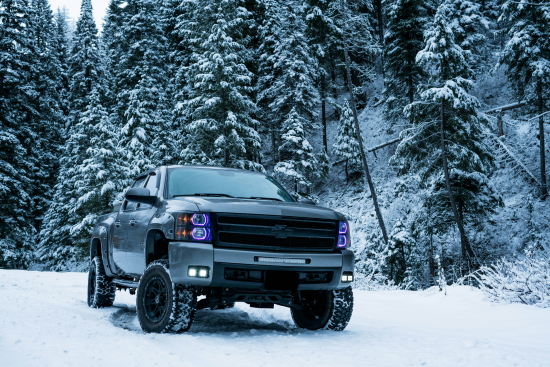
The Silverado 1500 is particularly appealing to hunters who need a versatile truck capable of hauling equipment during the week and traveling to remote hunting locations on weekends. Its available four-wheel-drive systems, multiple engine choices, and numerous bed and cab configurations make it adaptable to everything from waterfowl hunting to extended elk trips.
The GMC Sierra 1500 shares much of its mechanical architecture with the Silverado but emphasizes refinement, available premium features, and distinctive off-road trims. Meanwhile, the Colorado offers a smaller footprint that can be advantageous on narrow forest roads and in crowded trailhead parking areas.
| Truck | Hunting Advantages | Potential Drawbacks | Best Application |
|---|---|---|---|
| Chevrolet Silverado 1500 | Versatile configurations, substantial cargo capacity, available off-road packages | Large dimensions on narrow trails | All-around hunting and equipment hauling |
| GMC Sierra 1500 | Comfortable cabin, available AT4 and AT4X trims, strong towing capability | Higher prices on premium trims | Long-distance hunting trips |
| Chevrolet Colorado | Easier maneuverability, available serious off-road hardware | Less cargo and passenger space than full-size trucks | Remote trails and smaller hunting parties |
| Chevrolet Silverado 2500HD | High payload and towing potential when properly equipped | Greater weight and reduced maneuverability | Large campers and heavy hunting trailers |
Actual payload, towing capacity, and off-road capability depend on model year, engine, drivetrain, axle ratio, and equipment. Buyers should verify the specifications of the individual truck rather than relying on maximum advertised ratings.
Comparing Silverado vs Sierra hunting performance reveals two trucks with similar foundations but different personalities. Both offer powerful engine options, four-wheel drive, spacious cabins, and enough cargo flexibility for most hunting applications.
For hunters prioritizing affordability and practical equipment, the Chevrolet Silverado 1500 is often the more appealing starting point. Work-oriented and mid-level trims can deliver the essential capabilities needed for hunting without requiring expensive luxury features.
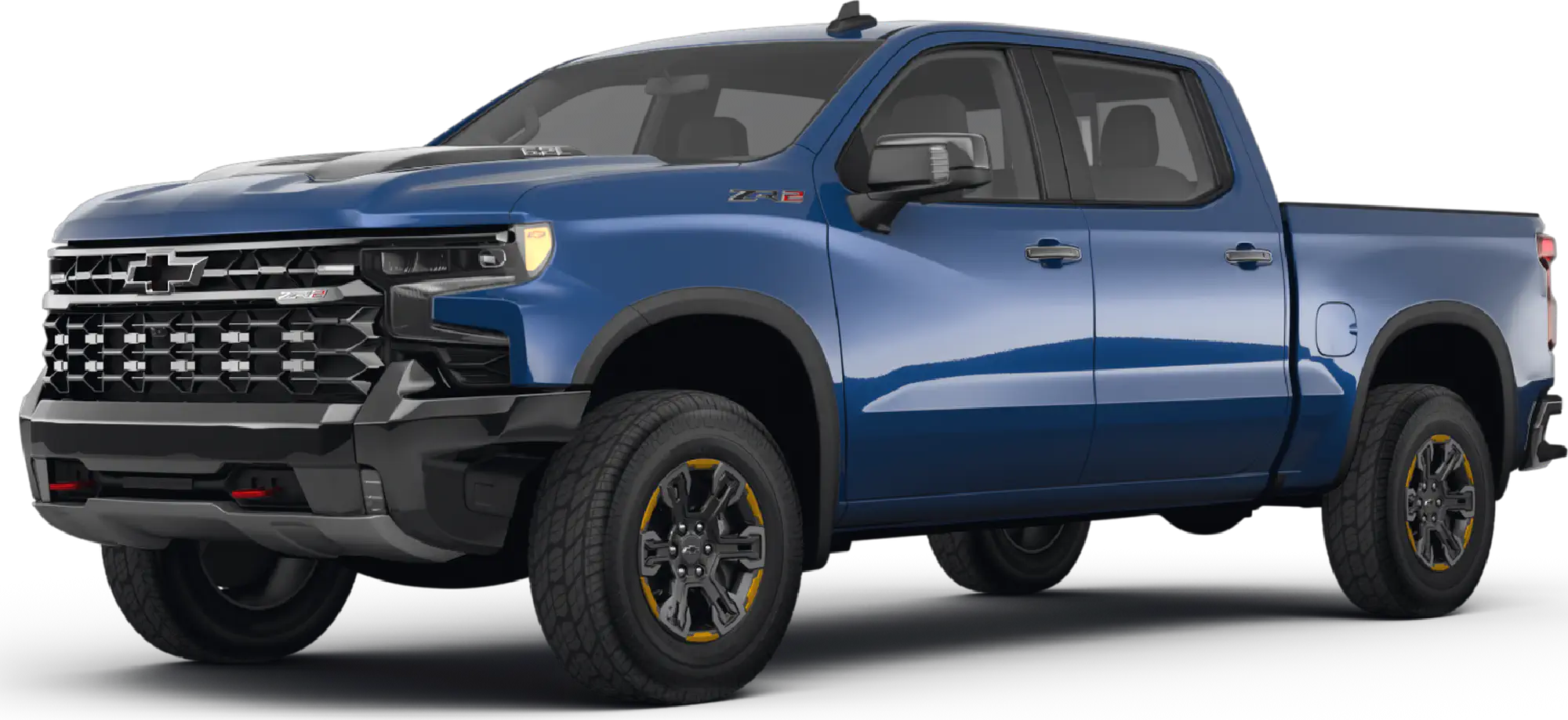
The Silverado Trail Boss models are especially interesting because their factory off-road equipment includes a suspension lift, skid plates, and all-terrain tires, with specifications varying by model year. These features improve their suitability for uneven access roads, rocky approaches, and muddy hunting properties.
GMC’s Sierra AT4 provides a similarly capable foundation while adding a more upscale cabin environment. Hunters who routinely travel several hundred miles before reaching their destination may appreciate the additional comfort, particularly when towing a trailer or traveling with multiple passengers.
The Sierra AT4X goes further with specialized off-road suspension hardware, including Multimatic DSSV dampers on applicable models. Although these upgrades can improve control on difficult terrain, they may be unnecessary for hunters whose routes primarily consist of maintained gravel roads.
| Feature | Silverado Trail Boss | Sierra AT4 |
|---|---|---|
| Primary Focus | Off-road capability with everyday practicality | Off-road capability with added refinement |
| Four-Wheel Drive | Standard on Trail Boss | Standard on AT4 |
| Suspension | Factory off-road suspension with lift | Factory off-road suspension with lift |
| Cabin Experience | Functional to well-equipped | More premium-oriented |
| Hunting Strength | Strong capability-to-cost balance | Comfort on extended trips |
| Ideal Buyer | Value-conscious outdoor enthusiast | Frequent long-distance hunter |
Neither truck is universally better. A properly equipped Silverado can provide nearly everything many hunters need, while the Sierra’s additional refinement may justify its price for buyers who spend significant time traveling between hunting destinations.
Full-size pickups offer impressive versatility, but their width and turning radius can become disadvantages on narrow logging roads and heavily wooded properties. The Chevrolet Colorado addresses those challenges with a smaller body and available off-road equipment designed for more demanding terrain.
The Colorado Trail Boss provides a useful combination of increased ground clearance, wider track, and off-road-oriented suspension tuning. For hunters navigating uneven two-track roads or accessing remote public hunting areas, its dimensions can make difficult routes less intimidating.
The Colorado ZR2 is a more specialized alternative, offering advanced suspension components, locking differentials, and additional off-road protection. Its Multimatic DSSV dampers are designed to manage demanding terrain, although their complexity and replacement costs deserve consideration.
The Colorado’s limitations become more apparent when carrying several passengers, large coolers, camping equipment, and bulky hunting gear. Its shorter bed and lower overall hauling capability compared with many full-size configurations mean hunters must plan their loads carefully.
For a solo hunter or a pair of outdoors enthusiasts, though, the Colorado may offer the most useful balance of capability and maneuverability in GM’s truck lineup.
Reliability matters considerably when hunting destinations are far from the nearest repair facility. Modern GM trucks contain sophisticated powertrains, electronic four-wheel-drive systems, advanced suspension components, and numerous sensors that can make unexpected repairs expensive.
Common areas worth inspecting include transfer case operation, transmission behavior, suspension wear, cooling-system condition, and electrical components. Trucks that regularly encounter mud, water, dust, and rough terrain may experience accelerated wear if maintenance is neglected.
The following estimates illustrate potential out-of-pocket repair expenses. They are broad planning ranges rather than model-specific quotes, and actual costs vary with the vehicle, location, parts, and labor rates.
| Repair or Service | Approximate Cost |
|---|---|
| Diagnostic Inspection | $100 to $250 |
| Four-Wheel-Drive Actuator Repair | $250 to $800 |
| Wheel Bearing Replacement | $300 to $750 per wheel |
| Transfer Case Repair or Replacement | $1,000 to $3,500+ |
| Transmission Replacement | $4,000 to $8,000+ |
| Advanced Off-Road Shock Replacement | $500 to $1,500+ per shock |
| Suspension Component Repairs | $300 to $1,500+ |
Off-road use introduces additional considerations. Impacts from rocks, repeated exposure to deep mud, and operation in dusty environments can increase maintenance requirements, particularly for suspension components, air filters, and underbody protection.
Before purchasing a used hunting truck, buyers should also review manufacturer communications and service information. A Technical Service Bulletin, commonly called a TSB, is a manufacturer-issued document that helps technicians diagnose or repair a known condition using recommended procedures. Unlike a safety recall, a TSB does not automatically mean repairs are free, and its existence does not establish that every vehicle will experience the problem.
Owners can research manufacturer communications, complaints, and recalls through the National Highway Traffic Safety Administration by searching for their vehicle’s year, make, and model. Checking the specific VIN for open safety recalls is particularly important when evaluating a used Silverado, Sierra, or Colorado.
Preventive maintenance is especially important for hunting vehicles because remote driving can magnify relatively minor mechanical problems. A weak battery, worn tire, or malfunctioning four-wheel-drive component that might be inconvenient in town can become a serious problem miles from paved roads.
Before hunting season, owners should inspect the battery, cooling system, brakes, suspension, and drivetrain fluids. Trucks used for frequent off-road travel may require additional attention to air filtration, differential fluids, and underbody components.
Tires deserve particular consideration. All-terrain tires can provide a useful compromise between highway comfort and loose-surface traction, while more aggressive mud-terrain tires may be beneficial in consistently muddy conditions at the expense of additional noise and potentially reduced road comfort.
Hunters should also evaluate their cargo organization. Secure storage for firearms, ammunition, recovery equipment, and other gear helps protect passengers and equipment during travel. Firearms should be transported unloaded and secured in accordance with applicable laws.
Weight management is equally important. Heavy aftermarket bumpers, winches, bed storage systems, and camping accessories reduce the payload available for passengers and hunting equipment. Staying within the vehicle’s gross vehicle weight rating and axle ratings helps preserve safe handling and braking performance.
GM’s modern trucks can provide years of dependable service, but the combination of complex technology and demanding hunting environments makes ownership planning important. Buyers should focus on maintenance history, mechanical condition, and equipment suitability rather than assuming one nameplate guarantees better reliability.
Used Silverado and Sierra models can offer attractive value, particularly when previous owners maintained their vehicles consistently. Buyers should inspect for evidence of neglected fluid changes, suspension damage, excessive corrosion, and improper modifications.
A professional pre-purchase inspection is especially valuable for trucks equipped with suspension lifts, oversized tires, or aftermarket drivetrain components. Modifications can change vehicle handling, increase component wear, and affect eligibility for certain warranty repairs.
Hunters considering a Colorado ZR2 or Sierra AT4X should also recognize that specialized off-road hardware may carry higher replacement costs than conventional suspension components. These trucks can be excellent choices when their capabilities are genuinely needed, but buyers should account for long-term maintenance expenses.
Ultimately, the best hunting truck is one that comfortably handles the owner’s actual terrain and equipment requirements without unnecessary complexity or high operating costs.
Yes. The Silverado 1500 is an excellent all-around hunting truck because it offers multiple cab and bed configurations, available four-wheel drive, and substantial cargo capability. Trail Boss models are particularly appealing for hunters who regularly travel on rough access roads.
Not necessarily. The Sierra and Silverado share many mechanical components and offer comparable capabilities when similarly equipped. The Sierra may appeal more to hunters prioritizing premium interior comfort, while the Silverado often represents a strong value for practical hunting use.
The Colorado can work well for deer hunting and smaller hunting parties, especially when maneuverability matters. Elk hunting may require more careful cargo planning because large coolers, camping equipment, and other gear can quickly consume the available bed space and payload capacity.
Four-wheel drive is not essential for every hunting trip, particularly when access roads are paved or well-maintained. It becomes considerably more valuable when encountering snow, mud, loose gravel, or steep terrain, although appropriate tires, ground clearance, and sound driving judgment remain important.
The Silverado 1500 and Sierra 1500 are strong candidates for hunters towing moderate-size campers, provided the selected configuration meets the trailer’s loaded weight and tongue-weight requirements. Hunters towing particularly heavy trailers may benefit from a Silverado or Sierra HD, although payload, hitch ratings, and overall vehicle specifications must still be verified.
Whether you choose a Silverado Trail Boss, Sierra AT4, or Colorado ZR2, keeping a hunting truck dependable requires consistent maintenance and realistic preparation for future repair expenses. Expensive components such as transmissions, transfer cases, and electronic systems can create substantial ownership costs after the original manufacturer’s warranty expires.
An extended vehicle service contract may help manage certain unexpected mechanical repair expenses, depending on the plan’s covered components, exclusions, deductibles, and eligibility requirements. Damage caused by off-road impacts, misuse, modifications, or inadequate maintenance may be excluded, making it important to review coverage terms before purchasing.
Granger Warranty provides an opportunity to explore extended vehicle protection options and compare available coverage and pricing. Eligibility and covered repairs vary by vehicle and contract, so owners should confirm whether their specific truck qualifies and how the plan addresses their intended use.
Choosing the best truck for hunting ultimately comes down to balancing capability, comfort, purchase price, and long-term ownership costs. With the right GM pickup, appropriate maintenance, and a clear understanding of available protection, hunters can spend more time preparing for their next trip and less time worrying about unexpected repairs.
Visit Granger Warranty to explore available vehicle protection plans and learn how extended coverage could fit into your long-term truck ownership strategy.
Stay up to date with the latest news from Granger Warranty