Best GM Vehicles for Seniors: Easy Entry, Visibility, and Comfort
Choosing the right vehicle becomes increasingly important as drivers prioritize comfort, accessibility, and confidence behind the wheel.
For older adults, a vehicle that offers supportive seating, excellent outward visibility, intuitive controls, and a comfortable ride can make everyday driving considerably more enjoyable. Fortunately, General Motors offers several Chevrolet, Buick, GMC, and Cadillac models that address these priorities without sacrificing modern technology or practicality.
Finding the best GM vehicle for seniors involves more than comparing horsepower, fuel economy, or luxury features. Seat height, door openings, steering effort, and the ease of entering and exiting the cabin can influence how comfortable a vehicle feels during daily use. Whether you’re shopping for an easy-to-get-into SUV or a refined crossover with premium amenities, several GM vehicles deserve consideration.
An ideal vehicle for older drivers should feel natural to operate, with controls that are easy to reach and seating that minimizes physical effort. While traditional sedans offer relatively low seating positions, their lower rooflines and seat cushions can require additional bending when entering or exiting. Large SUVs provide elevated seating and commanding visibility, but their higher step-in heights may create different accessibility challenges.
Compact and midsize crossovers often provide an appealing middle ground. Their seating positions typically allow occupants to slide into the cabin rather than lowering themselves into a seat or climbing up into a tall vehicle.
Several characteristics deserve particular attention when evaluating a vehicle for senior drivers:
No single vehicle will suit every older driver. Individual mobility, height, driving habits, and personal preferences should ultimately determine which model feels most comfortable.
GM’s SUV lineup offers several strong candidates for senior drivers, ranging from affordable compact crossovers to spacious luxury vehicles. Each has distinct advantages depending on the driver’s priorities.
| GM Vehicle | Entry and Exit Characteristics | Comfort Highlights | Best For |
|---|---|---|---|
| Chevrolet Equinox | Moderate crossover seating height | Comfortable ride, available power seating | Everyday practicality |
| Chevrolet Trax | Accessible compact crossover design | Manageable dimensions, straightforward controls | Budget-conscious drivers |
| Buick Encore GX | Elevated compact SUV seating | Quiet cabin, available comfort features | City driving |
| Buick Envision | Comfortable midsize crossover proportions | Refined ride, supportive seating | Overall comfort |
| GMC Terrain | Elevated seating and practical cabin | Available premium features | Versatile daily driving |
| Cadillac XT5 | Spacious front cabin and wide-opening doors | Available luxury seating and convenience features | Premium comfort |
Equipment, dimensions, and driver assistance availability vary by model year and trim. Buyers should compare the specific vehicles they intend to purchase rather than assuming every version includes the same features.
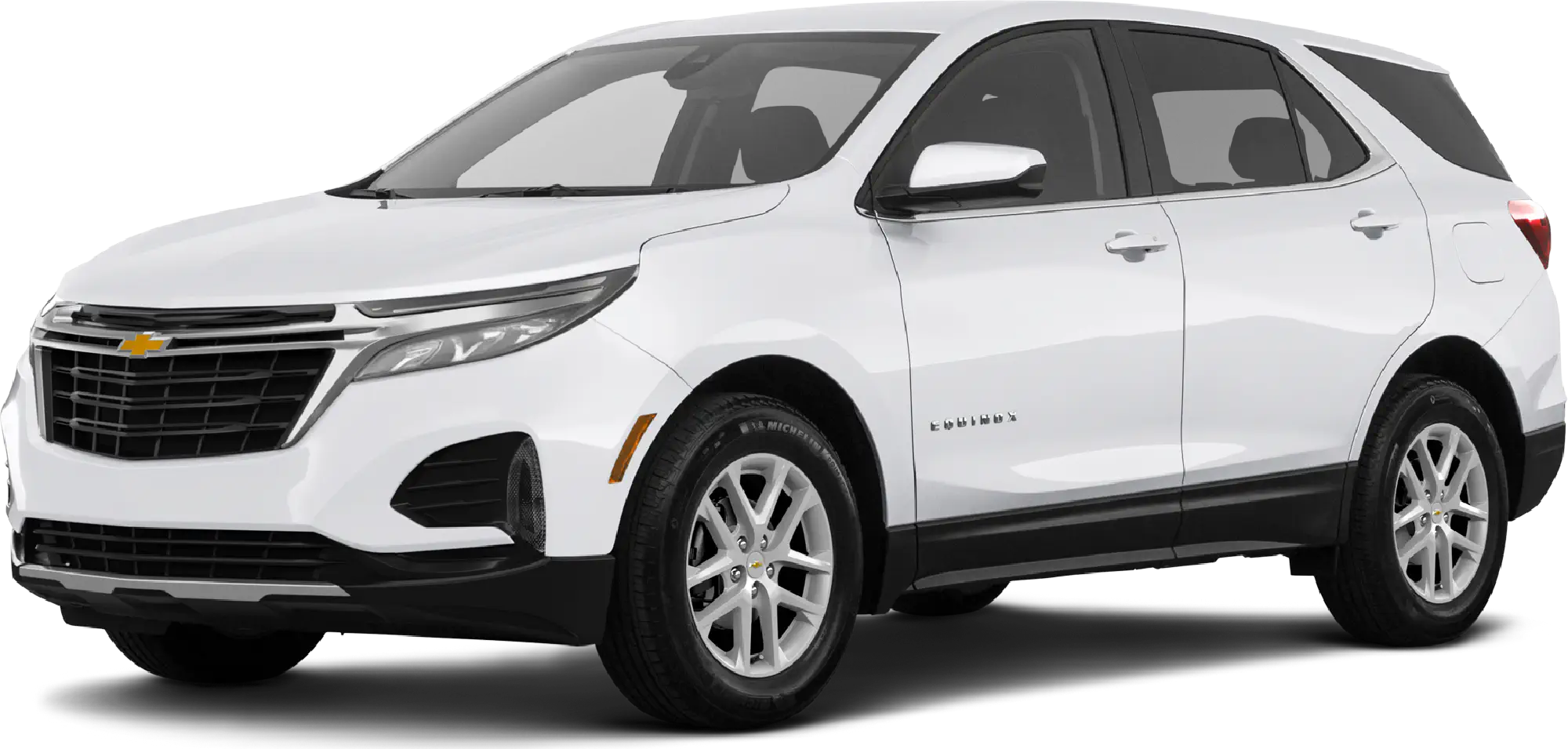
The Chevrolet Equinox is among the most balanced options for older adults who want a comfortable crossover without the size of a full-size SUV. Its relatively upright seating position provides a useful view of surrounding traffic, while the cabin offers generous space for front-seat occupants.
Available power-adjustable seating, heated seats, and driver assistance technology can make the Equinox especially appealing. Its manageable exterior dimensions also make parking and navigating shopping centers less intimidating than driving a larger SUV.
For seniors who regularly transport groceries, luggage, or mobility equipment, the Equinox offers a useful combination of passenger space and cargo flexibility.
The Chevrolet Trax deserves attention from buyers seeking a smaller vehicle with crossover-style accessibility. Its compact footprint makes it particularly convenient for urban neighborhoods, parking garages, and crowded shopping areas.
The redesigned 2024 and newer Trax offers a spacious cabin relative to its exterior dimensions, along with modern infotainment features and a comfortable driving position. Front-wheel drive and straightforward operation help make it an appealing choice for drivers who prioritize simplicity.
Although the Trax lacks some of the premium amenities found in larger GM SUVs, its affordability and practical design make it a compelling option.
The Buick Encore GX combines manageable exterior dimensions with a more upscale cabin atmosphere. Its elevated seating position and compact proportions make it attractive to drivers who want SUV versatility without a large vehicle.
Depending on the model year and trim, available features include heated front seats, power adjustments, and advanced driver assistance systems. Buick’s emphasis on cabin refinement can also make everyday commuting and longer trips more pleasant.
The Encore GX is particularly well suited to seniors who spend considerable time driving in suburban or urban environments.
For drivers who place a high priority on ride quality and interior refinement, the Buick Envision is especially appealing. Its midsize crossover proportions provide a comfortable seating position without requiring the substantial step up associated with many truck-based SUVs.
The Envision offers supportive front seats, a refined cabin, and available amenities designed to reduce driving fatigue. Its relatively quiet interior can make conversations easier and help create a more relaxed experience on longer journeys.
Buyers should test the infotainment controls carefully, particularly on newer versions with expansive digital displays, to ensure the interface feels intuitive.
The GMC Terrain offers another practical alternative for seniors seeking an elevated driving position. Its crossover architecture provides accessible seating and a cabin designed around daily usability.
Available comfort features and driver assistance technology vary across generations, making trim selection particularly important. Some versions offer heated seating, power adjustments, and additional convenience equipment that can improve everyday comfort.
Drivers considering the Terrain should evaluate seat height and outward visibility during a test drive, especially when comparing older and redesigned models.
The Cadillac XT5 is worth considering for seniors who want a more luxurious driving experience. Its spacious front seating area, available power adjustments, and refined road manners create a comfortable environment for daily errands and extended trips.
Available heated and ventilated seating, driver memory settings, and advanced parking technology can provide meaningful convenience. The XT5 also offers a practical cargo area for luggage, shopping bags, and other everyday necessities.
Although its purchase price and potential repair expenses may exceed those of mainstream Chevrolet and Buick models, the XT5 remains an attractive option for drivers who value premium appointments.
Seat height is one of the most important factors when selecting an easy-to-get-into SUV. A seat positioned too low may require significant effort to stand up, while an excessively high seat may force occupants to climb into the cabin.
For many drivers, the ideal seating position allows them to sit down and stand up with minimal bending or lifting. This varies considerably depending on height, flexibility, and mobility.
Door design is equally important. Wide openings, appropriately positioned grab handles, and door sills that do not interfere with foot placement can make entering and exiting considerably easier.
Visibility deserves similar consideration. Thick roof pillars, high rear windows, and large head restraints can create blind spots even in vehicles with elevated seating positions.
Available surround-view cameras, blind-zone monitoring, and parking sensors can help compensate for certain visibility limitations. These technologies supplement careful observation rather than replacing the driver’s responsibility to check surrounding traffic.
Long-term ownership expenses should influence any vehicle purchase, particularly for retirees managing predictable monthly budgets. Modern GM vehicles incorporate sophisticated electronics, turbocharged engines, automatic transmissions, and driver assistance equipment that may require professional diagnosis when problems develop.
Repair expenses depend on the vehicle, model year, location, and nature of the problem. Luxury models may carry higher costs because of specialized components and additional technology.
| Maintenance or Repair | Approximate Cost |
|---|---|
| Routine Oil and Filter Change | $60 to $130 |
| Brake Pad Replacement, One Axle | $200 to $450 |
| Battery Replacement | $180 to $400 |
| Wheel Alignment | $100 to $200 |
| Alternator Replacement | $450 to $1,000 |
| Air Conditioning Repair | $300 to $1,500+ |
| Infotainment System Repair | $300 to $1,800+ |
| Major Transmission Repair | $2,000 to $5,500+ |
These are broad estimated U.S. repair ranges, not model-specific quotes. Labor rates, parts availability, repair complexity, and whether replacement is necessary can substantially change the final cost.
Before authorizing an expensive repair, owners should request a written estimate that identifies the suspected failure, diagnostic charges, replacement parts, and labor.
A Technical Service Bulletin, commonly called a TSB, is a manufacturer-issued document that provides technicians with guidance for diagnosing or repairing known vehicle conditions. TSBs may describe unusual noises, software behavior, component concerns, or updated service procedures.
Unlike a safety recall, a TSB does not automatically mean that a repair will be performed free of charge. Owners can research manufacturer communications, recalls, and safety complaints by visiting NHTSA.gov and searching for their vehicle.
Reviewing available service information before purchasing a used GM vehicle can help buyers understand potential maintenance concerns and determine whether relevant repairs have already been completed.
Regular maintenance helps preserve both vehicle reliability and driving comfort. For older drivers who intend to keep their vehicles for many years, following the manufacturer’s maintenance schedule is one of the most effective ways to limit preventable mechanical problems.
Tire maintenance is particularly important. Proper inflation, routine rotation, and timely replacement support predictable handling, braking performance, and ride quality.
Suspension components also deserve attention as mileage increases. Worn shocks, struts, or bushings can create excessive bouncing, unusual noises, and reduced stability over uneven pavement.
Owners should also periodically inspect door hinges, seat adjustment mechanisms, and climate control systems. These components may seem less important than the engine or transmission, but they contribute directly to everyday accessibility and comfort.
Keeping windshield glass clean, replacing worn wiper blades, and ensuring exterior lighting functions properly can also improve visibility in challenging conditions.
For vehicles equipped with advanced driver assistance systems, camera and sensor maintenance is essential. Windshield replacements, collision repairs, or certain alignment procedures may require professional system calibration.
Vehicle complexity should be considered, but it should not automatically discourage older drivers from purchasing a modern GM crossover. Many newer vehicles offer safety and convenience technologies that can make driving easier when the systems are understood and used appropriately.
The more important question is whether a vehicle’s features complement the driver’s abilities and preferences. A large touchscreen may appeal to one buyer while another prefers physical climate controls and simpler menus.
Likewise, a full-size SUV may provide excellent visibility but prove inconvenient in tight parking spaces. A compact crossover may be easier to maneuver but offer less cargo space for mobility equipment or extended travel.
A thorough test drive should include parking, reversing, entering and exiting multiple times, and adjusting the driver’s seat and mirrors. Buyers should also verify that they can comfortably reach the pedals, operate essential controls, and see clearly in every direction.
The Buick Envision and Chevrolet Equinox are strong starting points for seniors seeking comfortable seating, practical dimensions, and everyday usability. The Equinox emphasizes value and versatility, while the Envision offers a more refined cabin experience.
Reliability depends on the specific model year, maintenance history, and vehicle condition, so neither should be considered universally more dependable without evaluating those factors.
The Chevrolet Equinox, Buick Encore GX, and Buick Envision are worth testing because their crossover designs offer moderate seating heights compared with many traditional sedans and full-size SUVs.
The easiest vehicle will depend on the driver’s height, flexibility, and mobility. Sitting in each vehicle and practicing entry and exit is more useful than relying solely on published dimensions.
The Chevrolet Equinox, GMC Terrain, and Buick Envision offer elevated driving positions that many older drivers appreciate. Visibility still varies by generation, seating adjustment, pillar design, and mirror placement.
Buyers should evaluate forward visibility, rearward sightlines, and available camera systems during an extended test drive.
Buick SUVs generally emphasize cabin refinement, premium materials, and comfort-oriented features, while Chevrolet models often provide strong value and practical equipment.
A Buick Envision may appeal to someone seeking a quieter, more upscale experience, while a Chevrolet Equinox may be better suited to buyers prioritizing affordability and straightforward utility.
An extended vehicle service contract may be worth considering for owners who plan to keep their vehicles beyond the original manufacturer’s warranty period. Coverage can help manage certain unexpected repair expenses, particularly those involving costly mechanical or electronic components.
Before purchasing, compare covered components, exclusions, deductibles, claim procedures, eligibility requirements, and contract pricing. Routine maintenance and normal wear items are generally excluded unless the agreement specifically provides otherwise.
Selecting the right GM vehicle can improve everyday comfort, confidence, and independence, but long-term satisfaction also depends on understanding future ownership expenses. As vehicles accumulate mileage, unexpected repairs involving transmissions, electronics, climate control systems, and other major components can become increasingly expensive.
For drivers planning to keep their Chevrolet, Buick, GMC, or Cadillac beyond its original warranty period, an extended vehicle service contract may provide additional financial predictability. Coverage varies by plan, making it important to review eligibility, covered repairs, exclusions, and deductibles before making a decision.
Granger Warranty offers vehicle protection options with an emphasis on transparent pricing and a straightforward online purchasing experience. Comparing available coverage with your anticipated ownership period and repair budget can help determine whether additional protection makes financial sense.
Explore available vehicle protection options at Granger Warranty and find a plan that fits your GM vehicle, driving habits, and long-term ownership goals.
Stay up to date with the latest news from Granger Warranty