Best GM Vehicles Most Likely to Reach 200,000 Miles
Reaching 200,000 miles is one of the most meaningful achievements in vehicle ownership, particularly when a truck or SUV continues to deliver dependable transportation without requiring major mechanical repairs.
For shoppers considering a Chevrolet, GMC, Buick, or Cadillac, choosing a model with a proven reputation for longevity can make the difference between enjoying another decade of service and facing expensive repairs long before the odometer reaches that milestone.
General Motors has produced several trucks and SUVs with the mechanical foundations, durable powertrains, and long-term ownership histories needed to accumulate impressive mileage. While no vehicle is guaranteed to reach 200,000 miles, certain GM models have demonstrated stronger potential for longevity, particularly when owners follow recommended maintenance schedules and address developing problems before they become serious.
Understanding which GM vehicles that last 200000 miles deserve consideration involves more than comparing reliability ratings. Engine design, transmission durability, maintenance history, driving conditions, and repair costs all influence whether a vehicle remains economical to operate as it approaches higher mileage.
Full-size Chevrolet and GMC trucks and SUVs are among the most compelling choices for drivers prioritizing long-term durability. Their traditional body-on-frame construction, substantial powertrains, and widespread parts availability make them attractive candidates for extended ownership.
Models such as the Chevrolet Silverado 1500, Chevrolet Tahoe, Chevrolet Suburban, GMC Sierra 1500, and GMC Yukon have established long-running reputations as vehicles capable of accumulating substantial mileage. Their popularity also means independent repair facilities and dealerships have extensive experience servicing these platforms.
Several GM passenger cars and smaller SUVs deserve consideration as well, although their long-term ownership characteristics differ from those of larger trucks.
| GM Vehicle | Long-Term Reliability Appeal | Important Considerations |
|---|---|---|
| Chevrolet Silverado 1500 | Durable truck platform and extensive service support | Engine lifter concerns and transmission condition |
| Chevrolet Tahoe | Strong full-size SUV construction and shared truck components | Engine, transmission, and suspension maintenance |
| Chevrolet Suburban | Long-distance capability and proven full-size architecture | Higher operating costs and aging chassis components |
| GMC Sierra 1500 | Silverado-related mechanical foundation | Powertrain maintenance and electronic systems |
| GMC Yukon | Substantial powertrain options and durable SUV platform | Suspension, cooling, and transmission repairs |
| Chevrolet Colorado | Practical midsize truck with substantial service support | Engine-specific maintenance and transmission behavior |
| Buick LaCrosse | Comfortable highway cruiser with established powertrain options | Cooling systems, electronics, and engine-specific concerns |
| Chevrolet Impala | Spacious sedan with a history of high-mileage ownership | Transmission condition and suspension wear |
These vehicles should be considered candidates rather than guaranteed 200,000-mile performers. Reliability varies significantly by model year, engine, transmission, and maintenance history, making individual vehicle condition more important than the badge alone.
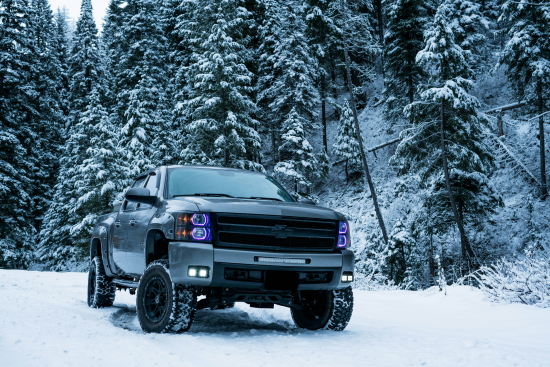
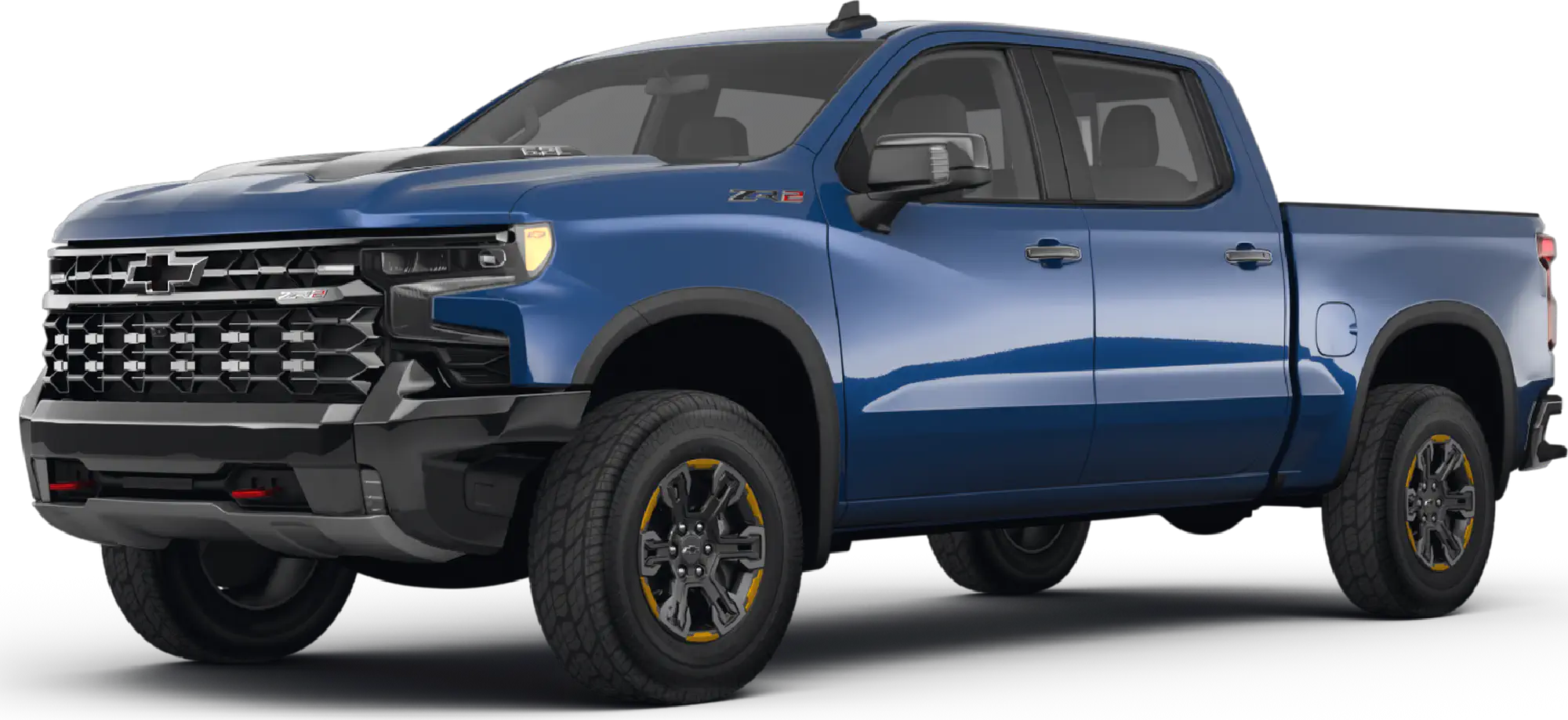
Few Chevrolet vehicles have the Silverado’s combination of widespread availability, mechanical familiarity, and long-term ownership potential. Its extensive history as a work truck and daily driver makes it one of the first vehicles worth investigating when searching for the most reliable Chevy capable of reaching 200,000 miles.
Silverado buyers should pay particular attention to engine generation and maintenance records. Certain V8 applications have experienced lifter and cylinder-deactivation-related concerns, while some automatic transmissions have developed shifting complaints that can become expensive if ignored.
A well-maintained Silverado with documented fluid services, consistent oil changes, and a healthy transmission can nevertheless represent an excellent long-term ownership choice.
Chevrolet’s full-size SUVs share much of their underlying engineering with the Silverado, giving them similar advantages when it comes to durability and repairability. The Tahoe offers a more manageable footprint, while the Suburban adds substantial passenger and cargo capacity.
Both vehicles are particularly appealing to families who accumulate considerable highway mileage. Their larger engines generally operate at relatively relaxed speeds during steady cruising, although this characteristic alone does not guarantee exceptional longevity.
Buyers should investigate engine lifter operation, transmission shifting, cooling-system condition, suspension wear, and the functionality of electronic equipment. Four-wheel-drive components also deserve careful inspection on vehicles regularly exposed to snow, towing, or off-road driving.
Drivers who prefer a smaller truck may find the Colorado more economical to operate than a full-size pickup. Its lighter footprint and practical dimensions make it appealing for commuting, recreational use, and occasional towing.
Long-term durability depends heavily on the specific engine and transmission combination. Used Colorado shoppers should review service records carefully, investigate any unusual transmission behavior, and verify that recommended maintenance has been completed.
The GMC Sierra shares its fundamental truck architecture and many mechanical components with the Chevrolet Silverado, making it another strong candidate for high-mileage ownership.
Its combination of available V8 engines, substantial towing capability, and broad service support appeals to owners who expect to keep their trucks for many years. Buyers should evaluate the same engine and transmission concerns associated with comparable Silverado models.
Higher trim levels may introduce additional electronic and comfort features that become more expensive to maintain as the vehicle ages.
The Yukon and extended-length Yukon XL provide much of the same long-term appeal as the Tahoe and Suburban. Their substantial construction and established powertrain families make them attractive choices for drivers needing three-row seating and considerable cargo capacity.
Owners pursuing 200,000 miles should budget for more than routine engine maintenance. Suspension components, cooling systems, air-conditioning equipment, and available advanced suspension technologies may require attention as mileage increases.
Vehicle longevity depends on the interaction between engineering, maintenance, operating conditions, and ownership habits. Even two otherwise identical vehicles can experience dramatically different outcomes when one receives consistent preventive service and the other operates with neglected fluids or unresolved mechanical problems.
Engine oil quality and replacement intervals are especially important for modern GM engines equipped with variable valve timing, turbocharging, or cylinder-deactivation systems. Clean oil helps protect precision components and reduces the likelihood of lubrication-related damage.
Transmission maintenance is another major consideration. Automatic transmissions generate heat and depend on fluid condition for lubrication, hydraulic operation, and clutch performance, making appropriate servicing particularly important for vehicles used in towing or stop-and-go traffic.
Climate and driving conditions also influence longevity. Vehicles exposed to road salt may develop corrosion, while trucks frequently towing heavy trailers can experience additional stress on their cooling systems, transmissions, brakes, and suspension components.
A documented maintenance history is therefore one of the strongest indicators of whether a particular used GM vehicle deserves consideration.
Even the most dependable vehicles eventually require repairs, and understanding potential expenses helps owners decide whether continued maintenance remains financially practical.
The following estimates represent broad repair-cost ranges for common services and major mechanical work. Actual prices vary by model, engine, location, parts selection, and labor rates.
| Repair or Service | Approximate Cost |
|---|---|
| Diagnostic Inspection | $100–$250 |
| Spark Plug Replacement | $200–$600 |
| Cooling System Repair | $300–$1,200 |
| Water Pump Replacement | $400–$1,100 |
| Suspension Component Replacement | $400–$1,500 |
| Transmission Repair or Replacement | $2,000–$6,500+ |
| Engine Lifter Repair | $1,500–$5,000+ |
| Major Engine Repair or Replacement | $4,000–$10,000+ |
A transmission replacement or major engine repair can substantially change the economics of keeping an older vehicle. Conversely, spending several hundred dollars on routine maintenance may be reasonable when the vehicle remains structurally sound and mechanically dependable.
Owners should compare anticipated repair expenses against the cost of replacing their vehicle, including financing, insurance, taxes, and depreciation.
Technical Service Bulletins, commonly called TSBs, are manufacturer-issued communications that provide service professionals with diagnostic guidance, repair procedures, or information about known vehicle conditions. Unlike safety recalls, TSBs do not automatically establish that a repair will be performed without charge.
Before purchasing a used GM vehicle, owners can research applicable manufacturer communications and recall information through the National Highway Traffic Safety Administration. Searching by vehicle identification number or by year, make, and model can help identify relevant information, although a vehicle-specific inspection remains essential.
Long-term reliability begins with following the maintenance schedule appropriate for the vehicle’s engine, transmission, and operating conditions. Owners should consult the factory maintenance schedule rather than assuming every GM model requires identical service intervals.
Engine oil changes deserve particular attention, especially in vehicles used for frequent short trips, towing, or extended idling. These operating conditions can accelerate oil degradation and increase wear on internal components.
Transmission fluid should be inspected and serviced according to the manufacturer’s recommendations, including any severe-service requirements. Owners should also monitor coolant condition, replace worn belts and hoses, and investigate fluid leaks before they create larger problems.
Tires, brakes, steering components, and suspension bushings become increasingly important as mileage rises. Keeping these systems in good condition improves vehicle safety while preventing secondary damage from worn or improperly functioning components.
Owners should also avoid overlooking minor warning signs. Rough shifting, unusual engine noises, intermittent overheating, and dashboard warning lights deserve prompt diagnosis, even when the vehicle otherwise drives normally.
Perhaps most importantly, maintenance records should be preserved. A comprehensive service history provides useful diagnostic information and can improve buyer confidence when selling a high-mileage vehicle.
A GM vehicle with 100,000 miles is not automatically approaching the end of its useful life. For many trucks and SUVs, that mileage can represent a reasonable point in the ownership cycle, particularly when the vehicle has received consistent maintenance.
Condition matters considerably more than the odometer reading alone. A truck with 130,000 mostly highway miles and documented service may be a better purchase than one with 70,000 miles that has experienced neglected maintenance, repeated overheating, or heavy towing without appropriate servicing.
Prospective buyers should obtain a professional pre-purchase inspection that evaluates the engine, transmission, cooling system, suspension, brakes, electronics, and underbody condition. Reviewing vehicle history and checking for outstanding recalls can provide additional context.
High-mileage ownership does carry financial uncertainty. As vehicles age, the possibility of major component repairs increases, making it important to establish a realistic maintenance budget and understand any available vehicle service contract options.
The Chevrolet Suburban, Chevrolet Tahoe, GMC Yukon, and Chevrolet Silverado are strong candidates because of their established full-size platforms and extensive service support. Actual longevity depends on the model year, powertrain, maintenance history, and operating conditions rather than vehicle size alone.
The Silverado 1500, Tahoe, and Suburban are frequently worth considering for buyers prioritizing long-term ownership. Choosing the most reliable Chevy requires comparing specific engine and transmission combinations, reviewing maintenance records, and inspecting the individual vehicle.
Some Chevrolet Silverado trucks can reach 300,000 miles or more, although doing so may require significant maintenance and component replacement. Consistent oil changes, appropriate transmission service, cooling-system maintenance, and early diagnosis of mechanical concerns improve the chances of extended service life.
A GM SUV with 150,000 miles can represent good value when its purchase price reflects its condition and potential repair expenses. A professional inspection, complete maintenance records, and a realistic repair budget are essential before making that decision.
Some vehicle service contracts offer coverage at higher mileage levels, but eligibility, covered components, exclusions, and maximum mileage limits vary by plan. Owners should verify coverage terms carefully because routine maintenance, existing problems, and normal wear items are commonly excluded.
Choosing a GM vehicle with strong long-term durability potential is an important first step toward affordable ownership, but reliability does not eliminate the possibility of expensive mechanical repairs. Modern engines, automatic transmissions, electronic systems, and advanced vehicle technologies can generate substantial repair bills even when a vehicle has been maintained properly.
For owners planning to keep their Chevrolet, GMC, Buick, or Cadillac beyond its original warranty period, an extended vehicle service contract may help reduce the financial uncertainty associated with certain covered repairs.
Granger Warranty offers vehicle protection options with transparent pricing and an online purchasing process designed to make comparing available coverage straightforward. Plan availability, eligibility, covered repairs, deductibles, and exclusions should always be reviewed before purchasing.
Reaching 200,000 miles is ultimately about choosing the right vehicle, maintaining it consistently, and preparing for the expenses that can accompany long-term ownership. With thoughtful vehicle selection and a practical protection strategy, drivers can give their GM vehicles the best opportunity to remain dependable well beyond 100,000 miles.
Explore available vehicle protection options at Granger Warranty and see how coverage may fit your long-term GM ownership plans.
Stay up to date with the latest news from Granger Warranty