Best GMC Acadia Model Year to Buy Used
Shopping for a used GMC Acadia can be an appealing alternative to purchasing a new three-row SUV, particularly for families who want generous passenger space, comfortable highway manners, and a substantial list of convenience features without paying the full price of a new vehicle.
Since its introduction for the 2007 model year, the Acadia has evolved considerably, transitioning from a large, car-based crossover into a more maneuverable midsize SUV before returning to a larger footprint with its latest generation.
Determining the best GMC Acadia year to buy used requires more than comparing asking prices or choosing the newest model within your budget. Different generations offer distinct engines, transmissions, interior configurations, and ownership characteristics, while maintenance history and known mechanical concerns can have a significant influence on long-term satisfaction.
For buyers evaluating a used GMC Acadia, the 2020 through 2023 model years represent an especially compelling starting point, combining updated technology with a relatively modern mechanical platform. Older examples can still deliver considerable value, although understanding their potential repair expenses is essential before making a purchase.
GMC has produced three distinct generations of the Acadia, and understanding their differences is one of the most effective ways to narrow a used-vehicle search. Each generation reflects a different approach to passenger capacity, powertrain technology, and everyday practicality.
The original Acadia, sold from 2007 through 2016, emphasized interior space and traditional family transportation. Its 3.6-liter V6 engine provided respectable performance, while its relatively large dimensions made it a practical alternative to full-size SUVs for buyers who did not need a truck-based platform.
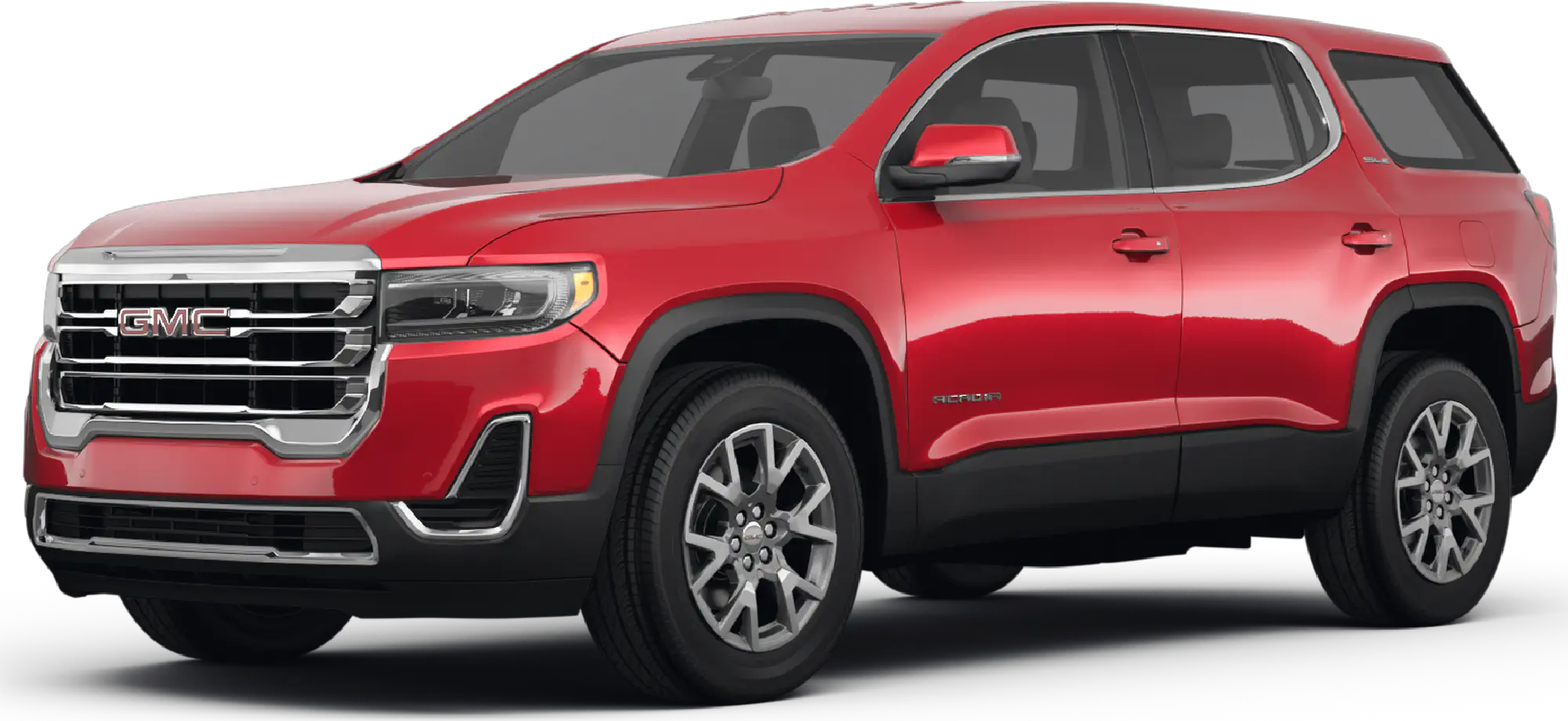
A redesigned second generation arrived for 2017, bringing smaller exterior dimensions, reduced weight, and improved maneuverability. GMC subsequently refreshed the Acadia for 2020, introducing updated styling, revised technology, and a nine-speed automatic transmission on most configurations.
The third-generation Acadia debuted for 2024, restoring a larger three-row layout and introducing a turbocharged four-cylinder engine. Although these newer vehicles offer more contemporary features, their shorter ownership histories make long-term reliability comparisons less definitive.
| GMC Acadia Model Years | Key Characteristics | Used-Buyer Assessment |
|---|---|---|
| 2007–2012 | First-generation design, 3.6L V6, six-speed automatic | Budget-friendly, but age and repair exposure warrant caution |
| 2013–2016 | Updated first-generation styling and features | Worth considering with strong maintenance records |
| 2017–2019 | Smaller second-generation platform, multiple engine options | Good value, but inspect transmission and electronics carefully |
| 2020–2023 | Refreshed second generation, nine-speed automatic | Best overall starting point for many used buyers |
| 2024–2026 | Larger third-generation design, turbocharged engine | Modern features and space, but limited long-term reliability history |
For most shoppers, a well-maintained 2021, 2022, or 2023 Acadia offers an attractive combination of equipment, driving refinement, and remaining useful life. Individual condition, mileage, and service documentation should ultimately carry more weight than the model year alone.
Among second-generation models, the 2020 refresh represents a meaningful dividing line. GMC updated the Acadia’s exterior appearance, revised its infotainment offerings, and replaced the earlier six-speed automatic with a nine-speed transmission across much of the lineup.
The 2020 through 2023 Acadia also offered several powertrain configurations, depending on model year and trim. These included a naturally aspirated 3.6-liter V6 and, on certain versions, a turbocharged 2.0-liter four-cylinder engine that balanced everyday acceleration with reasonable fuel consumption.
For buyers who frequently carry passengers, tow recreational equipment, or travel through mountainous terrain, the V6-equipped Acadia can be particularly appealing. Properly equipped versions offer towing capability of up to approximately 4,000 pounds, although buyers should confirm the exact rating for the vehicle’s configuration.
The Acadia’s available all-wheel-drive system, comfortable front seats, and relatively quiet cabin further strengthen its credentials as a family-oriented crossover. Higher trims add desirable features such as premium audio, upgraded interior materials, and additional driver-assistance technology.
A 2021 or 2022 GMC Acadia is arguably the sweet spot for shoppers seeking a modern SUV without paying the premium associated with the newest examples. These model years benefit from the refreshed second-generation design while offering a wider range of used-market pricing and mileage combinations.
The 2023 Acadia deserves consideration for buyers willing to spend more for a newer vehicle. Its appeal comes primarily from its age, available equipment, and potential remaining warranty coverage rather than any guarantee of superior mechanical reliability.
Despite its practical design, the GMC Acadia has experienced mechanical and electrical issues that buyers should investigate before purchasing. Some concerns are more closely associated with older generations, while others can appear across different model years depending on engine, transmission, and maintenance history.
Earlier 3.6-liter V6 models deserve particular attention for timing-chain-related problems, especially when oil maintenance has been inconsistent. Timing-chain wear can trigger engine warning lights, produce unusual operating noises, and potentially lead to expensive repairs if ignored.
Transmission performance is another important consideration. Certain Acadia models have experienced complaints involving harsh shifts, hesitation, or difficulty recognizing the selected gear, although these symptoms do not necessarily indicate the same underlying failure.
Electrical concerns may include infotainment malfunctions, intermittent warning messages, and problems involving sensors or control modules. Buyers should test every major electronic feature during an inspection rather than assuming a vehicle is mechanically sound simply because no warning lights are illuminated.
| Component | Potential Symptoms | Buying Considerations |
|---|---|---|
| Timing chain and related engine components | Rattling, check-engine light, rough operation | Review oil-change records and diagnostic history |
| Automatic transmission | Delayed engagement, harsh shifts, hesitation | Test drive when cold and fully warmed up |
| Cooling system | Coolant loss, overheating, visible leaks | Inspect hoses, radiator, water pump, and coolant condition |
| Electrical systems | Warning messages, intermittent feature failures | Scan control modules and test accessories |
| Suspension and steering | Clunking, uneven tire wear, loose handling | Inspect bushings, joints, and alignment |
These concerns should not be interpreted as proof that every Acadia will develop expensive problems. They are useful inspection priorities, particularly when comparing vehicles with similar prices but substantially different maintenance histories.
A Technical Service Bulletin, commonly called a TSB, is a document issued by an automaker to help dealership technicians diagnose or repair a known vehicle condition. Unlike a safety recall, a TSB does not automatically require the manufacturer to provide a free repair, and warranty eligibility depends on the circumstances and applicable coverage.
Buyers can research manufacturer communications, complaints, investigations, and recalls through the National Highway Traffic Safety Administration. Searching by model year or VIN can help identify issues worth discussing with a qualified mechanic before purchasing a used Acadia.
Purchase price is only part of the financial equation when selecting a used SUV. As the Acadia accumulates mileage, wear-related repairs and occasional component failures can influence the overall cost of ownership.
Repair expenses vary considerably according to model year, engine configuration, geographic location, labor rates, and whether genuine OEM or aftermarket components are installed. The following figures represent broad planning estimates rather than guaranteed repair quotes.
| Repair or Service | Approximate Cost |
|---|---|
| Pre-purchase inspection | $150–$300 |
| Diagnostic evaluation | $100–$200 |
| Water pump replacement | $500–$1,200 |
| Alternator replacement | $450–$950 |
| Suspension component repair | $300–$1,000 |
| Timing chain repair | $1,500–$3,500+ |
| Major transmission repair or replacement | $3,000–$6,500+ |
A thorough pre-purchase inspection is particularly valuable because it can uncover problems that are not immediately obvious during a short test drive. A qualified technician should evaluate the engine, transmission, cooling system, suspension, brakes, and electronic control modules.
Buyers considering an Acadia with more than 75,000 miles should also budget for routine wear items and age-related maintenance. Even a mechanically healthy vehicle may eventually require new tires, brakes, suspension components, or cooling-system repairs.
Preventive maintenance plays a major role in determining whether a used Acadia remains dependable beyond 100,000 miles. Although model-year selection matters, a vehicle with complete service records and consistent maintenance is often a better purchase than a newer example with an uncertain history.
Engine oil changes should follow the appropriate GMC maintenance schedule, with particular attention to vehicles used for short trips, frequent towing, or demanding driving conditions. Proper oil maintenance is especially important for engines with complex timing systems and turbocharged components.
Transmission operation also deserves attention throughout ownership. Drivers should follow the applicable service schedule, investigate unusual shifting behavior promptly, and avoid assuming that delayed engagement or persistent hesitation is normal.
Cooling-system maintenance is equally important because overheating can create extensive engine damage. Regular inspections of coolant levels, hoses, and visible leaks can help identify developing problems before they become major repairs.
When shopping for a used GMC Acadia, request maintenance invoices whenever possible and compare them with the vehicle’s mileage. A professional inspection should also include a diagnostic scan, even if the dashboard does not display a warning light.
An older GMC Acadia is not automatically a poor investment, but its purchase price should reflect the possibility of higher repair expenses. First-generation examples can provide impressive passenger and cargo space for relatively little money, although age-related deterioration becomes increasingly important as these vehicles approach or exceed 150,000 miles.
The 2017 through 2019 models offer a more modern driving experience and can represent good value when properly maintained. Buyers should nevertheless evaluate transmission behavior, electronic features, and the vehicle’s documented repair history before committing.
For most households, a 2020 through 2023 Acadia presents a more balanced ownership proposition. These models offer updated features without requiring buyers to pay the full premium associated with the newest generation.
The most important distinction is between a vehicle with known, documented care and one with unresolved warning signs. A higher-mileage Acadia with comprehensive maintenance records may be preferable to a lower-mileage example showing signs of neglect.
The 2021 and 2022 GMC Acadia are strong choices for many used buyers because they combine the refreshed second-generation design with modern convenience features and potentially attractive pricing. A 2023 model is also worth considering when its price, mileage, and condition justify the difference.
Earlier first-generation Acadias, particularly some 2007 through 2012 examples, deserve careful inspection because of their age and reported engine and transmission concerns. Buyers should evaluate maintenance records and vehicle-specific condition rather than assuming every example from those years is unreliable.
A properly maintained GMC Acadia may reach 150,000 to 200,000 miles or more, although no particular lifespan is guaranteed. Maintenance quality, driving conditions, previous repairs, and engine configuration all influence longevity.
The 3.6-liter V6 can be appealing for buyers who prioritize smooth power delivery and towing capability, while the available 2.0-liter turbocharged four-cylinder offers a different balance of performance and efficiency. Neither engine should be considered universally more reliable without examining its maintenance history and condition.
An extended vehicle service contract may be worth considering when purchasing an Acadia that is approaching the end of its original warranty coverage. Buyers should compare the contract price, covered components, exclusions, deductibles, claim procedures, and repair requirements before deciding whether additional protection fits their ownership plans.
Finding the best GMC Acadia year to buy used ultimately means balancing purchase price, mechanical condition, available features, and anticipated ownership expenses. For many drivers, the 2021 through 2023 models provide an attractive starting point, while carefully maintained older examples can still offer worthwhile savings.
As mileage increases, unexpected engine, transmission, and electrical repairs can become an important financial consideration. Reviewing extended protection options before major repairs occur can help buyers better understand their potential out-of-pocket exposure.
Granger Warranty offers vehicle protection options with straightforward pricing and an online purchasing process. Drivers considering additional coverage should review available plans, vehicle eligibility, covered repairs, and contract terms to determine which option best fits their GMC Acadia and expected ownership period.
Whether purchasing a recently redesigned Acadia or planning to keep an older model for several more years, choosing a well-maintained vehicle and preparing for future repair costs remain the foundations of a confident used-SUV purchase.
Stay up to date with the latest news from Granger Warranty