Best GMC for a Ranch or Rural Property
Ranch work asks more of a truck than the typical commute.
Gravel roads, muddy pastures, livestock trailers, feed runs, fencing supplies, snow, and long distances from the nearest repair shop can turn features that look optional at a dealership into equipment that matters every day.
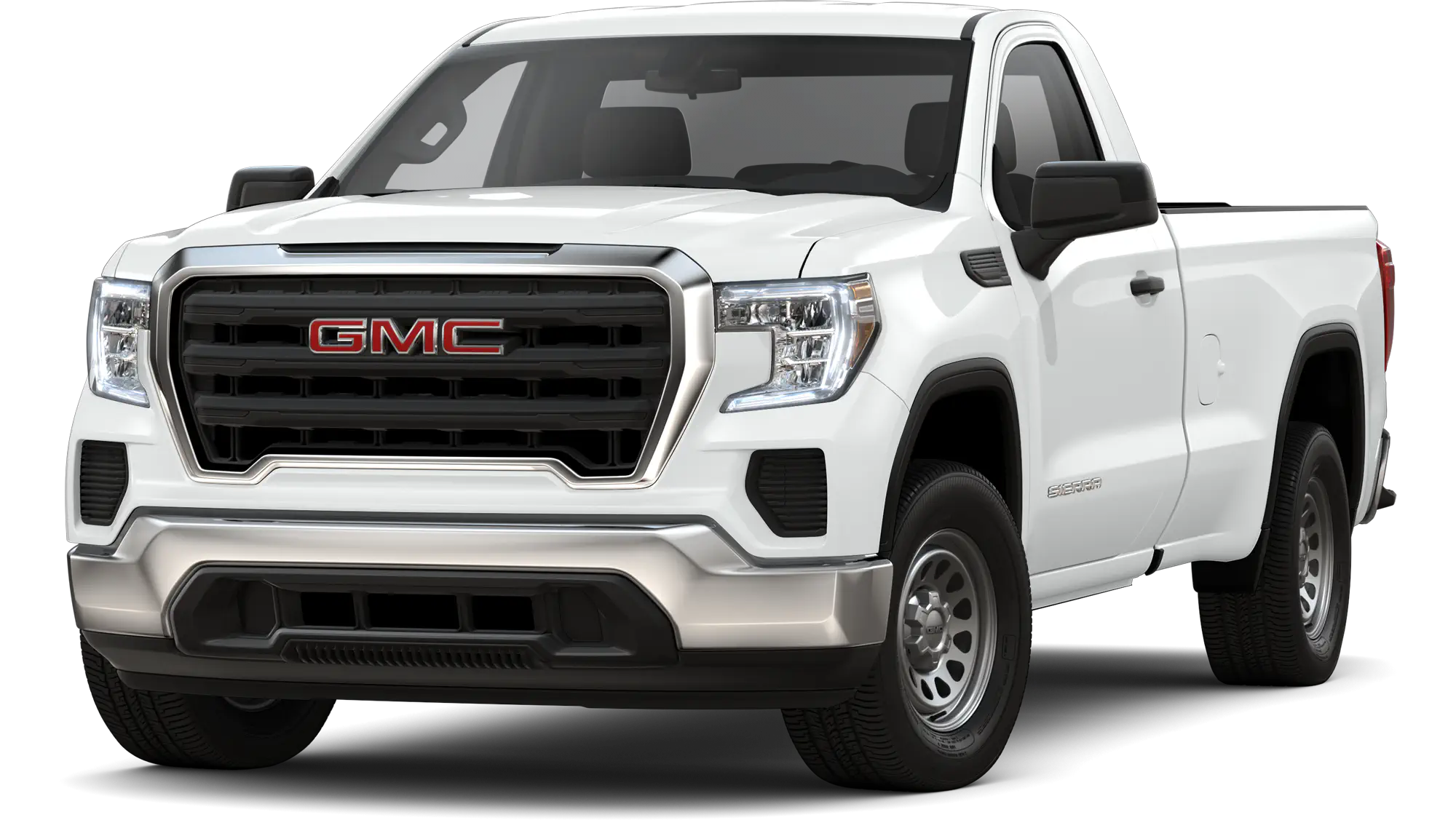
Choosing the Best GMC Truck for Ranch Use depends on what the property demands. A GMC Sierra 1500 may be ideal for a smaller acreage where daily driving and moderate towing are priorities, while Sierra HD models make more sense when heavy trailers, equipment, and demanding workloads are routine.
GMC’s Sierra lineup gives rural owners several levels of capability. The key is matching the truck to the hardest jobs it will regularly perform rather than buying solely around maximum advertised numbers.
For many owners, the Sierra 1500 provides the best balance. Properly configured versions offer substantial towing and payload capability without the size, weight, and operating costs of a heavy-duty pickup.
A Sierra 2500 HD becomes more attractive when towing gets heavier or more frequent. Horse trailers, livestock trailers, compact equipment, and large utility trailers can quickly make the additional capability of an HD truck worthwhile.
The Sierra 3500 HD sits at the top of the range for owners with especially demanding hauling requirements. Its higher available payload and towing capability can be valuable for serious agricultural use, although its size and heavier-duty construction may be unnecessary for smaller properties.
| GMC Truck | Best Rural Application | Key Advantage | Potential Trade-Off |
|---|---|---|---|
| Sierra 1500 | Small to midsize properties | Everyday usability and capability | Less reserve capacity for very heavy loads |
| Sierra 2500 HD | Frequent trailer and equipment work | Strong towing and payload capability | Larger size and higher operating costs |
| Sierra 3500 HD | Heavy agricultural hauling | Maximum work capability | More truck than many owners need |
| Canyon | Light-duty property maintenance | Maneuverability and easier parking | Lower towing and payload limits |
Always confirm towing and payload ratings for the exact configuration. Engine, drivetrain, cab, bed, axle ratio, options, and trailer equipment can substantially change what a particular truck is rated to handle.
Rural driving creates operating conditions that rarely appear during a suburban test drive. Low-speed travel over uneven terrain, repeated trailer hookups, dust, mud, steep grades, and long periods of idling can place additional stress on mechanical components.
Four-wheel drive is one of the first features many ranch owners should consider. It can provide useful traction on muddy access roads, snowy driveways, loose gravel, and unimproved sections of property.
Ground clearance also matters. Deep ruts, rocks, washouts, and uneven entrances can make a lower vehicle frustrating to use even when its engine has more than enough power.
Bed configuration deserves similar attention. A longer bed can make hauling fencing materials, tools, feed, and supplies easier, while a shorter truck can be more maneuverable around barns, gates, and tight trails.
GMC’s AT4 and AT4X configurations may appeal to owners dealing with especially rough terrain. Their off-road-focused equipment can be useful, but buyers should evaluate whether those features provide meaningful value for their specific property rather than assuming the most rugged trim is automatically the best ranch truck.
Trailer weight is often the deciding factor between a Sierra 1500 and Sierra HD. Occasional towing of a smaller utility trailer is very different from regularly moving livestock, tractors, skid steers, hay, or other heavy loads.
Payload deserves just as much attention as tow ratings. Tongue weight or gooseneck pin weight counts against the truck’s payload capacity, along with passengers, tools, auxiliary equipment, and cargo in the bed.
A truck can therefore reach its payload limit before reaching the maximum advertised trailer rating. Checking the certification labels on the actual vehicle and calculating realistic loaded weights is more useful than relying on a headline towing number.
For frequent heavy towing, the Sierra 2500 HD can represent a practical middle ground. Owners who routinely approach heavy-duty limits may benefit from moving to a properly configured Sierra 3500 HD rather than operating a lighter truck near its capacity.
| Ranch Job | Likely Starting Point | What to Check |
|---|---|---|
| Feed and supply runs | Canyon or Sierra 1500 | Payload and bed space |
| Utility trailer towing | Sierra 1500 | Loaded trailer weight and tongue weight |
| Horse or livestock trailer | Sierra 1500 or 2500 HD | Payload, hitch type, and loaded weight |
| Equipment hauling | Sierra 2500 HD or 3500 HD | GCWR, payload, axle ratings, and hitch |
| Heavy gooseneck use | Sierra HD | Configuration-specific towing limits |
Routine maintenance is only part of the ownership budget for a working pickup. Tires, brakes, suspension components, batteries, driveline parts, emissions equipment, cooling-system components, and electronic systems can eventually require attention.
Diagnostic visits for warning lights or intermittent electrical issues may cost roughly $100 to $250 or more before repairs begin, depending on the shop and location. Straightforward maintenance items may cost a few hundred dollars, while major drivetrain, diesel emissions, transmission, or electronic repairs can move into the thousands.
Heavy-duty trucks can be particularly expensive when specialized components require replacement. Diesel-equipped trucks add systems that can provide excellent towing performance but may also increase repair complexity as mileage accumulates.
Ranch owners should consider downtime as part of the cost equation. A truck that is needed for feeding animals, hauling equipment, or towing trailers may be far more difficult to live without than a typical commuter vehicle.
Repair estimates vary considerably by model year, powertrain, labor rate, location, and the exact failed component. Getting a written diagnosis before authorizing major work makes it easier to understand whether the shop is addressing the root cause or simply replacing parts based on symptoms.
Dust is one of the easiest rural hazards to underestimate. Trucks regularly driven on dirt and gravel roads may expose air filters, cabin filters, suspension joints, brakes, radiators, and other components to considerably more contamination than vehicles driven primarily on pavement.
Inspect filters according to actual operating conditions rather than mileage alone. GMC’s maintenance schedule should remain the baseline, but vehicles operated in severe conditions may require more frequent inspection or service.
Tires also deserve frequent attention. Check pressures when cold, examine tread for cuts and punctures, and verify that the tires have adequate load capacity for the truck’s intended work.
Trailer owners should inspect the hitch, electrical connector, safety chains, breakaway system, and trailer brakes regularly. A small problem discovered in the driveway is much easier to address than one found with livestock or machinery already loaded.
Mud and debris should not be allowed to accumulate indefinitely underneath the truck. Cleaning the underbody provides an opportunity to inspect brake lines, wiring, shields, suspension parts, and fluid leaks.
Fluids deserve additional attention when towing is frequent. Engine oil, coolant, transmission fluid, transfer-case fluid, and differential lubricants all play important roles when the truck routinely operates under significant loads.
A Technical Service Bulletin, commonly called a TSB, is manufacturer information intended to help technicians diagnose or repair known vehicle conditions. A TSB is not automatically a recall, and the existence of a bulletin does not necessarily mean a repair will be performed free of charge.
Owners researching a GMC problem can search for manufacturer communications and TSB information through the NHTSA vehicle database. Search using the vehicle’s year, make, and model, then review the available manufacturer communications rather than assuming an online forum diagnosis applies to every truck.
TSBs can be particularly helpful when a symptom is difficult to reproduce or when technicians have developed a revised diagnostic procedure. Owners should still have the individual truck properly inspected because similar symptoms can have very different causes.
Moving from a Sierra 1500 to a Sierra HD should be based on workload, not image. A lightly loaded truck used mostly for trips into town and occasional property chores may be easier and less expensive to own as a half-ton.
Frequent towing changes the calculation. Additional payload capacity, heavier-duty chassis components, and greater towing capability can provide valuable operating margin when trailers are a regular part of ranch life.
Owners should also consider physical dimensions. An HD truck may be harder to maneuver through older gates, crowded barns, narrow trails, and tight parking areas.
Fuel consumption and tire replacement costs can be higher as well. Buying more capability than the property requires can create everyday compromises without producing much practical benefit.
On the other hand, consistently pushing a lighter truck close to its ratings is not an ideal strategy. If real loaded weights regularly approach the limits of a Sierra 1500, moving to an appropriately configured HD model may provide a better long-term fit.
Preventive maintenance becomes especially important when a truck works far from town. Catching a worn component during a scheduled inspection can prevent an inconvenient breakdown and may reduce the chance of secondary damage.
Keep maintenance records and document repairs. Detailed records help technicians understand the truck’s history and can also be useful when selling or trading the vehicle later.
Warranty coverage is another factor to consider as factory coverage expires. Not every repair or maintenance item is covered by a vehicle service contract, so owners should read eligibility requirements, exclusions, deductibles, and covered-component terms carefully before purchasing protection.
Granger Warranty offers extended vehicle protection options with transparent pricing and an online purchasing process. For rural owners who depend heavily on one truck, comparing coverage before the original warranty expires can help make future repair expenses more predictable.
For many smaller and midsize properties, yes. A properly equipped Sierra 1500 can handle daily supply runs, property maintenance, moderate trailer towing, and normal rural transportation while remaining comfortable for highway use.
Heavy livestock or equipment towing may justify moving to a Sierra 2500 HD or 3500 HD. Actual loaded trailer and payload weights should drive that decision.
A Sierra 2500 HD is usually the stronger choice when heavy towing is frequent. Its additional capability provides more room for substantial trailer loads and demanding work.
Owners who rarely tow heavy loads may prefer the easier everyday driving characteristics of a Sierra 1500. Matching capacity to real workloads usually produces the best ownership experience.
Four-wheel drive is highly useful on properties with mud, snow, steep grades, loose surfaces, or unimproved roads. It can also make it easier to move trailers across surfaces where a two-wheel-drive truck may struggle for traction.
Four-wheel drive does not replace suitable tires or careful driving. It also adds driveline components that require maintenance.
Gas engines can make sense for trucks that accumulate moderate mileage, make shorter trips, or tow heavy loads only occasionally. They generally avoid some of the added complexity associated with modern diesel emissions systems.
Diesel power can be particularly attractive for frequent heavy towing and long-distance loaded driving. Purchase price, fuel costs, maintenance, expected annual mileage, and trailer weights should all factor into the choice.
There is no single mileage at which a Sierra or Canyon reaches the end of its useful life. Maintenance history, operating environment, towing frequency, corrosion, idle time, and previous repairs can matter as much as the odometer reading.
A well-maintained truck can remain useful at high mileage, but repair risk generally increases as components age. Pre-purchase inspections are particularly important when buying a used truck that has already spent years towing or working on rural property.
Choosing the Best GMC Truck for Ranch Use comes down to realistic workload. Sierra 1500 models fit many properties well, Sierra 2500 HD trucks add valuable capacity for frequent towing, and Sierra 3500 HD models are better suited to owners with genuinely heavy hauling requirements.
Once the right truck is in the driveway, maintenance and repair planning become part of keeping it productive. Rural conditions can be demanding, and an unexpected mechanical or electronic repair can be especially disruptive when the truck is an essential piece of property equipment.
Owners planning to keep their GMC beyond its original warranty period can visit Granger Warranty to review available coverage options and pricing. Compare the terms with your expected ownership period, mileage, and workload to decide whether extended protection makes sense for your ranch truck.
Stay up to date with the latest news from Granger Warranty