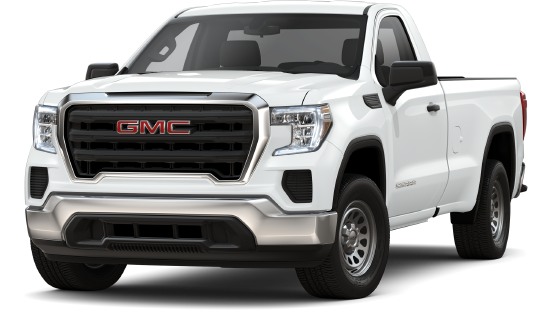
Best GMC Sierra HD Trim for Heavy Towing: Pro vs SLE vs Elevation vs AT4 vs Denali
Choosing the right GMC Sierra Heavy Duty pickup involves more than selecting the most powerful engine or the most luxurious interior.
For drivers who regularly tow equipment trailers, fifth-wheel campers, livestock trailers, or heavy recreational vehicles, the right combination of towing capacity, payload, drivetrain, and technology can make a substantial difference in everyday usability.
Among the available GMC Sierra HD trim levels, the Pro, SLE, Elevation, AT4, and Denali offer different approaches to heavy-duty truck ownership. Some prioritize affordability and work-ready durability, while others introduce advanced towing assistance, off-road equipment, or premium accommodations that make long-distance hauling more comfortable.
Understanding those differences is essential because a higher trim level does not necessarily provide greater towing capacity. This Sierra 2500 trim comparison examines the strengths of each model, explains how equipment affects towing performance, and identifies which configurations deliver the best value for demanding owners.
GMC offers the Sierra Heavy Duty in 2500HD and 3500HD configurations, both designed for substantially greater towing and hauling demands than the light-duty Sierra 1500. Although they share many styling elements and interior features, the heavy-duty models use stronger chassis components, more substantial suspension systems, and powertrains engineered for demanding workloads.
The Sierra 2500HD is particularly appealing to buyers who need significant towing capability without moving into the higher-capacity 3500HD. Depending on configuration, it can accommodate large travel trailers, equipment haulers, and substantial conventional trailers while retaining the everyday practicality expected from a full-size pickup.
For this comparison, the focus is on five popular GMC Sierra HD trim levels available in recent model years.
| Trim Level | Primary Strength | Ideal Buyer |
|---|---|---|
| Pro | Basic equipment and lower purchase price | Commercial fleets and work trucks |
| SLE | Practical comfort and towing functionality | Value-focused towing owners |
| AT4 | Off-road capability and premium equipment | Recreational towing enthusiasts |
| Denali | Luxury, technology, and highway comfort | Long-distance towing owners |
GMC also offers additional configurations, including SLT, AT4X, and Denali Ultimate, depending on model year. Because equipment availability changes, buyers should verify the exact specifications of the truck they are considering rather than assuming every feature is standard across generations.
Heavy-duty towing performance depends primarily on mechanical configuration rather than trim designation. Engine selection, axle ratio, cab style, bed length, drivetrain, wheel and tire specifications, and installed towing equipment all influence how much a particular Sierra HD can safely pull.
Recent Sierra HD models offer two major engine choices: a 6.6-liter gasoline V8 and a 6.6-liter Duramax turbo-diesel V8. Both are paired with heavy-duty automatic transmissions, although specifications and availability vary by model year.
For the 2024 through 2026 model years, the gasoline engine produces 401 horsepower and 464 lb-ft of torque, while the Duramax diesel generates 470 horsepower and 975 lb-ft of torque. The diesel’s substantial torque advantage makes it particularly attractive for frequent heavy towing, especially when climbing grades or maintaining highway speeds with substantial trailer weight.
The Sierra HD Pro represents the most straightforward approach to heavy-duty truck ownership. Its appeal comes from concentrating on essential functionality rather than premium interior materials, elaborate styling packages, or luxury conveniences.
For contractors, agricultural operators, and commercial buyers, the Pro offers a compelling starting point because its available powertrains can deliver serious towing performance without requiring an expensive trim upgrade. A properly equipped Pro with the Duramax diesel can be an especially capable towing vehicle.
Interior materials and standard convenience equipment are more basic than those found in higher trims, although modern connectivity and essential driver-assistance features remain available depending on the model year.
For buyers who prioritize mechanical capability over appearance, the Pro may represent one of the strongest values in the Sierra HD lineup.
The SLE builds on the Pro’s work-oriented foundation with additional convenience features and a more refined cabin. It is particularly attractive to owners who use their trucks for both professional duties and personal transportation.
Depending on model year and configuration, the SLE offers upgraded infotainment, enhanced interior appointments, and available towing technology that makes trailer management easier. These improvements become increasingly valuable for drivers who spend several hours behind the wheel while hauling heavy loads.
Importantly, choosing the SLE does not automatically reduce access to the Sierra HD’s primary towing powertrains. Buyers can prioritize an appropriate engine and towing configuration while enjoying a more comfortable daily driving experience.
For many shoppers, the SLE is the practical sweet spot between the basic Pro and more expensive appearance-focused or luxury trims.
The AT4 targets drivers who regularly venture beyond paved roads while still requiring substantial towing capability. Its off-road-oriented equipment, distinctive suspension tuning, all-terrain tires, and available traction features make it particularly attractive to outdoor enthusiasts.
This combination works well for owners who tow campers, enclosed recreational trailers, or equipment to remote destinations. Improved traction and underbody protection can be valuable when navigating gravel access roads, uneven campsites, and muddy work areas.
There are trade-offs, however. Off-road suspension components, tire specifications, and additional equipment can affect maximum payload and towing ratings compared with a more road-focused configuration.
The AT4 is therefore best suited to buyers who genuinely need its additional off-road capability rather than those seeking the highest possible towing number.
The Denali combines Sierra HD mechanical capability with a significantly more luxurious ownership experience. Premium interior materials, advanced technology, distinctive exterior styling, and additional comfort features make it particularly appealing to buyers who spend considerable time towing on highways.
Long-distance trailer owners may appreciate available camera systems, towing assistance technology, heated and ventilated seating, and other conveniences that reduce fatigue during extended journeys. Equipment availability varies by model year, package, and configuration.
The Denali’s primary advantage is not necessarily greater towing capacity. Instead, it provides a more refined environment while retaining the heavy-duty capability associated with the Sierra platform.
For owners who frequently travel with large fifth-wheel campers or enclosed trailers, the additional comfort may justify the higher purchase price.
Selecting the appropriate engine is arguably more important than choosing between several GMC Sierra HD trim levels. Both available engines provide substantial capability, but their characteristics differ considerably.
| Specification | 6.6L Gasoline V8 | 6.6L Duramax Turbo-Diesel V8 |
|---|---|---|
| Horsepower | 401 hp | 470 hp |
| Torque | 464 lb-ft | 975 lb-ft |
| Transmission | 10-speed automatic | 10-speed automatic |
| Best Application | Moderate to heavy occasional towing | Frequent heavy towing |
| Initial Purchase Cost | Lower | Higher |
| Maintenance Considerations | Conventional gasoline-engine servicing | Diesel fuel, emissions, and filtration systems |
Figures reflect recent Sierra HD powertrain specifications. Exact ratings and availability should be verified for the selected model year.
The gasoline V8 provides strong performance for owners who tow periodically and want to avoid the higher initial cost of a diesel engine. It is especially sensible for trucks that spend substantial time commuting or operating without a trailer.
The Duramax diesel becomes more compelling as trailer weights and towing frequency increase. Its greater torque output supports confident acceleration with heavy loads, while its integrated exhaust braking capabilities can help manage speed on downhill grades.
Still, buyers should distinguish between advertised maximum towing capacity and the actual rating of a specific truck. The Sierra 3500HD can achieve substantially higher maximum towing figures than the 2500HD, and even two trucks with the same engine may have different ratings because of their configurations.
Heavy-duty pickups are designed for demanding service, but their larger mechanical components and sophisticated electronics can make certain repairs expensive. Owners who regularly tow near their vehicle’s rated limits should anticipate greater wear on brakes, suspension components, tires, and drivetrain systems.
Diesel-equipped models also introduce additional maintenance considerations, including fuel filtration, turbocharger components, and emissions-control systems.
The following estimates illustrate potential out-of-pocket expenses for common heavy-duty truck services and repairs.
| Service or Repair | Approximate Cost |
|---|---|
| General diagnostic inspection | $120 to $250 |
| Brake pad and rotor replacement, one axle | $450 to $1,000 |
| Heavy-duty transmission repair | $1,500 to $4,500 |
| Complete transmission replacement | $5,000 to $9,000+ |
| Diesel turbocharger replacement | $2,500 to $5,500+ |
| Diesel emissions-system repair | $500 to $4,000+ |
| Suspension component replacement | $400 to $1,800 |
Estimates are broad planning ranges, not GMC-specific repair quotes. Actual costs depend on model year, location, labor rates, parts, and the nature of the failure.
Luxury trims can introduce additional repair expenses associated with advanced electronics, camera systems, and comfort features. Meanwhile, AT4 models may require specialized suspension or tire components that cost more than conventional replacements.
Buyers planning long-term ownership should consider these expenses alongside the initial purchase price.
Preventive maintenance becomes particularly important when a Sierra HD regularly pulls substantial loads. Engine cooling systems, transmissions, brakes, and suspension components experience additional stress during prolonged towing, especially in mountainous terrain or extreme temperatures.
Owners should follow GMC’s maintenance schedule and pay close attention to severe-service recommendations when their driving conditions qualify. Transmission fluid condition, differential servicing, engine oil changes, and cooling-system inspections all deserve particular attention.
Trailer setup is equally important. Proper weight distribution, correctly adjusted trailer brakes, suitable tire pressures, and careful attention to tongue or pin weight can help prevent unnecessary strain on the truck.
A pre-trip inspection should include checking tire condition, trailer connections, fluid levels, lighting, and hitch components. Owners should also confirm that the combined vehicle and trailer weight remains within the manufacturer’s published ratings.
Technical Service Bulletins, commonly called TSBs, are manufacturer-issued communications that provide dealership technicians with diagnostic information, repair procedures, or guidance concerning known vehicle conditions. Unlike recalls, TSBs do not automatically indicate a safety defect or guarantee a free repair. Sierra HD owners can research manufacturer communications, recalls, and reported complaints through the National Highway Traffic Safety Administration by searching their vehicle’s identification number or model information.
For most buyers, trim selection should be guided by how the truck will actually be used. A Pro or SLE configured with the appropriate powertrain and towing equipment can be more suitable for demanding hauling than a heavily optioned luxury model with less available payload.
Owners who regularly tow large fifth-wheel trailers should pay particular attention to payload capacity because the trailer’s pin weight consumes part of the truck’s available carrying capacity. Passengers, cargo, accessories, and hitch equipment further reduce that allowance.
This is one reason the Sierra 3500HD may be a better choice than the 2500HD for particularly heavy fifth-wheel applications, even when both vehicles have the same Duramax engine.
Buyers should also avoid assuming that expensive trims are inherently more reliable. Mechanical durability depends on maintenance history, operating conditions, vehicle configuration, and individual component performance rather than interior appointments.
Ultimately, the best GMC Sierra HD trim for heavy towing is the one that combines sufficient rated capacity with the equipment and comfort features the owner will actually use.
The SLE is an excellent all-around choice because it balances affordability, comfort, and access to capable powertrains. Buyers seeking the lowest purchase price may prefer the Pro, while frequent long-distance towing owners may appreciate the Denali’s additional conveniences.
Not necessarily. Maximum towing capacity depends on engine, drivetrain, cab configuration, axle specifications, and installed equipment rather than trim level alone. A properly configured Pro may have a higher rating than a more heavily equipped Denali.
The Duramax is particularly worthwhile for drivers who frequently tow heavy trailers, travel through mountainous terrain, or accumulate substantial towing mileage. Buyers who tow occasionally may find the gasoline V8 more economical to purchase and maintain.
Yes, provided the camper’s loaded weight and hitch requirements fall within the truck’s ratings. The AT4’s off-road equipment can be beneficial for accessing remote campsites, although its configuration may offer less payload than certain road-focused alternatives.
The Sierra 3500HD is designed for greater maximum hauling and towing demands, with higher-capacity configurations and available dual rear wheels. The 2500HD is often sufficient for conventional trailers and many recreational towing applications, while the 3500HD provides additional capacity for particularly heavy fifth-wheel and gooseneck trailers.
Investing in a GMC Sierra HD means purchasing a truck engineered for demanding workloads, but even capable heavy-duty vehicles can face expensive mechanical repairs as mileage accumulates. Transmission components, diesel-related systems, electronics, and other major assemblies can create significant ownership expenses after the original warranty expires.
For owners planning to keep their trucks beyond the factory warranty period, reviewing extended vehicle service contract options can be a practical part of long-term budgeting. Coverage eligibility, covered components, exclusions, deductibles, and commercial-use restrictions should always be examined before purchasing a plan.
Granger Warranty provides vehicle protection options with straightforward online pricing, allowing eligible owners to evaluate available plans without relying on high-pressure sales conversations. Coverage availability and terms vary by vehicle and contract, so it is important to confirm that a particular Sierra HD and its intended towing or work use qualify.
Whether you choose the practical Pro, versatile SLE, stylish Elevation, adventure-ready AT4, or luxurious Denali, selecting the right configuration and planning for future maintenance can make heavy-duty truck ownership more predictable.
Explore available vehicle protection options at Granger Warranty and find coverage that fits your GMC Sierra HD ownership plans.
Stay up to date with the latest news from Granger Warranty