Best GMC Sierra Trim: Elevation vs Denali
Shopping for a GMC Sierra 1500 often comes down to a deceptively difficult decision: spend less on the sharp-looking Elevation or step up to the more luxurious Denali.
Both trims deliver the core capability expected from a full-size GMC pickup, but they approach comfort, powertrain choices, technology, and long-term ownership costs from different directions.
For buyers comparing GMC Sierra Elevation vs Denali, the Elevation generally makes the stronger value argument. Denali makes more sense for drivers who want their pickup to double as a luxury vehicle and are willing to pay for additional comfort, materials, and technology.
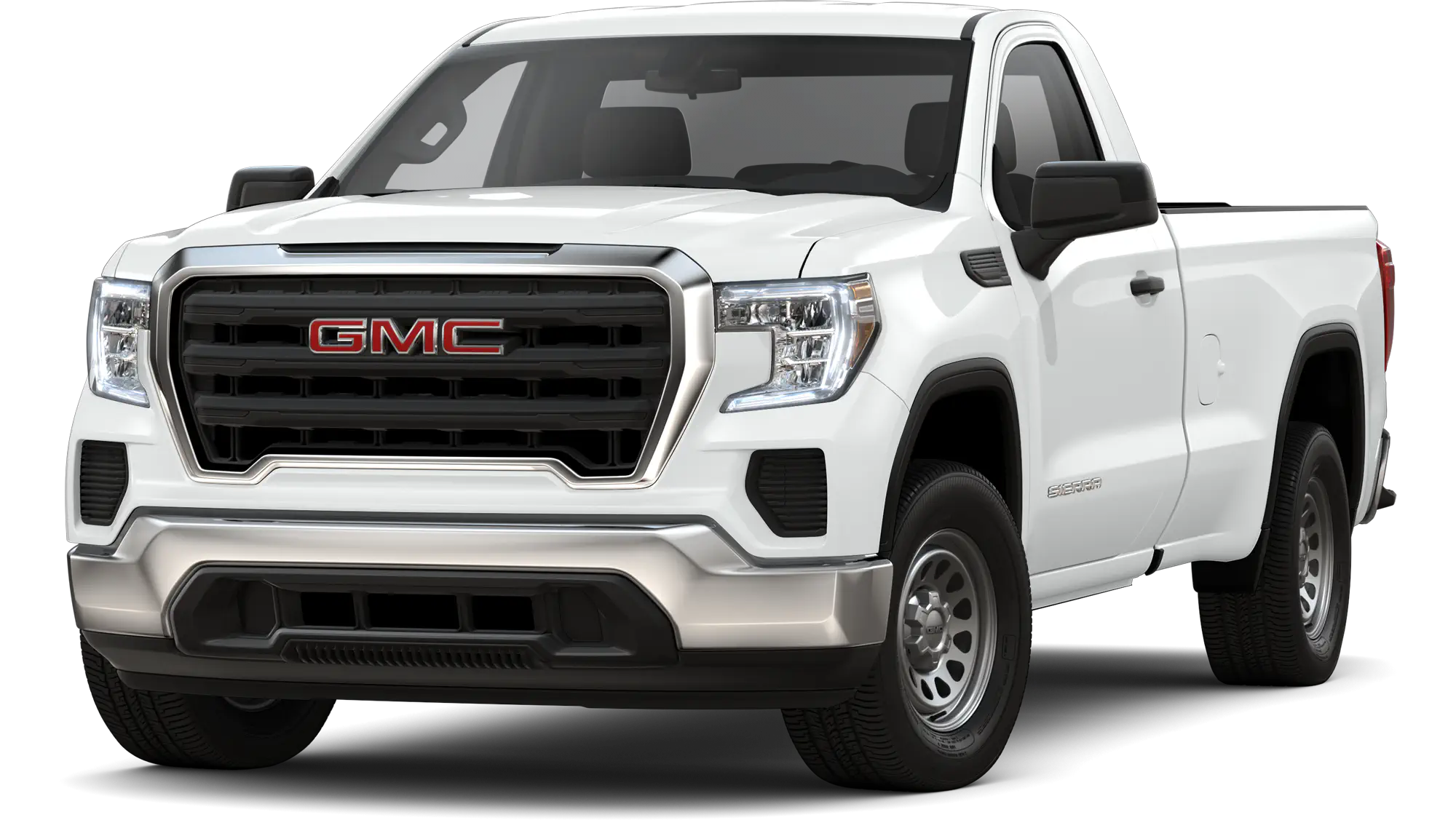
Elevation sits in the middle of the Sierra 1500 lineup and combines a relatively attainable price with upscale styling. For the 2026 model year, GMC lists the Elevation with a starting MSRP around $50,500 on its consumer trim page, although configurations, destination charges, drivetrain choices, and options can push transaction prices considerably higher.
Its visual identity is a major part of the appeal. Elevation receives a monochromatic exterior treatment, gloss-black grille details, LED fog lamps, and 20-inch gloss-black wheels. Inside, buyers get the Sierra’s large 13.4-inch infotainment display and 12.3-inch driver information display, while leather-appointed seating, Bose audio, wireless charging, and other upgrades can be added through packages.
Denali starts considerably higher. GMC currently lists the 2026 Sierra 1500 Denali starting around $66,100, giving shoppers a substantial price gap before options are considered.
That additional money buys more than badges. Denali receives distinctive exterior detailing along with authentic wood, patterned aluminum trim, perforated leather seating surfaces, and a more upscale cabin presentation. GMC also equips the Sierra Denali with a 5.3-liter V8 and 10-speed automatic as a standard powertrain combination.
| Category | Sierra Elevation | Sierra Denali |
|---|---|---|
| Positioning | Sporty, value-focused | Premium luxury |
| Starting Price | Lower | Significantly higher |
| Standard Styling | Body-color and gloss-black accents | Signature Denali luxury details |
| Standard Engine | TurboMax | 5.3L V8 |
| Available 3.0L Duramax | Yes | Depending on configuration |
| Leather | Available | Standard premium leather treatment |
| 13.4-Inch Infotainment | Standard | Standard |
| Best For | Value, appearance, customization | Comfort, luxury, premium ownership |
Prices and equipment can change by model year and configuration, so shoppers should verify the window sticker before comparing two trucks.
Capability alone does not tell the entire story. Many Sierra owners spend considerably more time commuting, traveling, and running errands than towing a trailer at maximum capacity.
Elevation delivers much of the technology drivers interact with every day. Its standard large-screen infotainment system and digital driver display keep it from feeling like a basic work truck, while available leather, Bose audio, and other packages can make a well-optioned Elevation surprisingly upscale.
Denali focuses more heavily on refinement. Premium upholstery, upscale trim materials, additional comfort equipment, and its luxury-oriented presentation make it better suited to buyers replacing a premium SUV or luxury sedan with a pickup.
Powertrain selection also deserves attention. GMC offers the Elevation with the TurboMax engine while making the 5.3-liter V8 and 3.0-liter Duramax diesel available in certain configurations. GMC’s 2026 configurator lists the 6.2-liter V8 as unavailable on Elevation.
That flexibility makes Elevation especially interesting. Someone prioritizing fuel economy and highway range can investigate the Duramax, while another buyer may prefer the familiar character of a V8.
Denali starts from a more premium mechanical specification, including its standard 5.3-liter V8. Buyers should still compare individual window stickers because drivetrain, engine, packages, towing equipment, and technology can dramatically change both price and capability.
Paying more for Denali does not automatically mean the truck will be less reliable. Both trims share major Sierra platforms, powertrains, electronic architecture, and components depending on configuration.
Where costs can diverge is equipment complexity.
A more heavily equipped truck simply has more systems that could eventually require service. Cameras, parking sensors, powered accessories, premium seating functions, electronic modules, infotainment hardware, and advanced driver-assistance equipment can make diagnosis more involved after warranty coverage expires.
Diagnostic charges alone can commonly reach roughly $100 to $250 depending on the shop, region, and complexity of the complaint. Actual repairs range enormously, from a relatively inexpensive sensor or switch to four-figure electronic, powertrain, suspension, or infotainment repairs.
The more useful comparison is total ownership exposure rather than assuming one trim has a specific repair bill.
| Potential Expense | Approximate Cost Range |
|---|---|
| General Diagnostic Inspection | $100-$250 |
| Battery Replacement | $200-$400+ |
| Infotainment or Electronic Diagnosis | $150-$300+ |
| Camera or Driver-Assistance Diagnosis | $150-$350+ |
| Major Electronic Component Repair | $500-$2,000+ |
| Major Powertrain Repair | $1,500-$5,000+ |
These are broad planning estimates rather than quotes. Labor rates, model year, engine, failed component, parts availability, location, and whether additional damage occurred can substantially change the final invoice.
A Denali buyer should therefore budget not only for the higher purchase price but also for the possibility of maintaining more premium equipment as the truck ages.
Maintenance matters more than the trim badge when it comes to long-term durability.
Follow GMC’s maintenance schedule and use the correct oil, filters, fluids, and service intervals for your specific engine. Trucks used for frequent towing, short trips, severe weather, dusty conditions, or other demanding service may require additional attention.
Tires are particularly important on a full-size pickup. Maintaining correct pressures, rotating tires regularly, and correcting alignment problems early can reduce uneven wear and help prevent suspension components from taking unnecessary abuse.
Owners should also avoid ignoring warning lights or intermittent electronic problems. A seemingly minor check engine light, battery warning, transmission hesitation, camera fault, or driver-assistance warning can provide an early opportunity to diagnose a problem before it becomes more disruptive.
Keeping service records is equally worthwhile. Documentation gives technicians a clearer maintenance history and can be valuable when warranty eligibility, resale value, or previous repair work needs to be established.
A Technical Service Bulletin, commonly called a TSB, is information issued by an automaker to help technicians diagnose or repair a known vehicle condition. A TSB is not automatically a recall, and the existence of a bulletin does not necessarily mean every truck covered by its model-year range will develop that problem.
Instead of relying on forum posts or lists of bulletin numbers that may not apply to your exact truck, search by model year and vehicle through the National Highway Traffic Safety Administration’s vehicle database. NHTSA provides owner-accessible information on manufacturer communications, recalls, and related vehicle records.
Checking TSB information can be especially useful before buying a used Sierra. Combine that research with a pre-purchase inspection and complete service-history review rather than treating any individual bulletin as proof that a particular truck has a defect.
For most value-conscious buyers, Elevation hits the Sierra 1500 sweet spot.
Its standard technology and distinctive exterior make it feel substantially more upscale than an entry-level pickup, while buyers retain the freedom to add features that matter most to them. An Elevation equipped with the right engine, four-wheel drive, towing equipment, and comfort packages can provide nearly everything many truck owners actually need.
Denali becomes easier to justify when comfort is a priority rather than a bonus.
Drivers who spend hours behind the wheel, frequently take long road trips, entertain clients, or simply want a luxury-level cabin may appreciate Denali every day. In that situation, evaluating the truck strictly on dollars per feature misses part of its purpose.
Buyers also need to be careful about option creep. Loading an Elevation with leather, premium audio, driver-assistance technology, towing equipment, and appearance packages can narrow the price difference considerably.
Compare the actual prices of the two trucks you would buy, not simply the base MSRPs.
New Sierra buyers receive GMC’s original limited warranty coverage. GMC currently lists 3-year/36,000-mile bumper-to-bumper coverage and 5-year/60,000-mile powertrain coverage for many Sierra configurations, with certain engines including TurboMax and the 3.0-liter Duramax receiving different powertrain mileage terms. Always confirm coverage for the exact VIN and model year.
That distinction becomes important for drivers planning to keep a Sierra well beyond the initial ownership period. A truck driven 15,000 miles annually can accumulate 60,000 miles in only four years.
Once applicable factory coverage expires, electronic, drivetrain, climate-control, infotainment, and other covered-component repairs can become an owner’s financial responsibility.
Extended vehicle protection is therefore worth evaluating based on ownership length, annual mileage, trim complexity, and personal tolerance for unexpected repair bills rather than simply the truck’s purchase price.
Drivers researching longer-term protection can review available options at Granger Warranty. Compare contract terms, exclusions, deductibles, eligibility, and covered components before purchasing any vehicle service plan.
Choosing between these trucks becomes easier once you identify what you expect your extra money to accomplish.
Choose the Sierra Elevation if you want aggressive styling, modern cabin technology, useful engine choices, and room in the budget for carefully selected options. It is likely the better overall value for shoppers who care more about capability and appearance than luxury branding.
Choose the Sierra Denali if you want premium cabin materials, a more luxurious driving environment, a standard V8, and the distinctive Denali experience. Its higher purchase price is easier to defend for buyers who will actually use and appreciate those features every day.
For many buyers, the smartest strategy is to price a well-equipped Elevation against a Denali rather than comparing base trucks. Once Elevation packages start accumulating, Denali may become more compelling than its initial price difference suggests.
Denali is the more luxurious trim, but “better” depends on priorities. Elevation provides much of the Sierra’s technology and capability for considerably less money, while Denali concentrates on premium materials, comfort, styling, and standard equipment.
Price and luxury content are the biggest differences. Elevation emphasizes sporty appearance and customization, while Denali provides a more upscale interior and premium standard equipment.
Leather-appointed front seating surfaces are available on Elevation rather than being the defining standard configuration. GMC also offers an Elevation Premium Package with Jet Black leather-appointed front bucket seats and additional comfort and technology equipment.
Resale value depends on age, mileage, condition, engine, drivetrain, location, service history, and market demand. Denali’s recognizable premium positioning may attract used buyers, but its higher original purchase price means resale value should be considered alongside total depreciation rather than resale price alone.
Denali can be worth the premium if luxury features and cabin refinement are important to you. Buyers primarily interested in towing, commuting, styling, and everyday truck capability may find Elevation provides a stronger value.
Whichever trim you choose, think beyond the monthly payment and consider how long you expect to own the truck. Modern Sierras combine capable powertrains with increasingly sophisticated electronics, comfort systems, infotainment hardware, and driver-assistance technology, making long-term repair exposure an important part of the buying decision.
Granger Warranty offers vehicle protection options with transparent online pricing for eligible vehicles. Visit Granger Warranty to compare available coverage, deductibles, terms, and pricing for your GMC Sierra before deciding how much long-term repair risk you want to keep yourself.
Stay up to date with the latest news from Granger Warranty