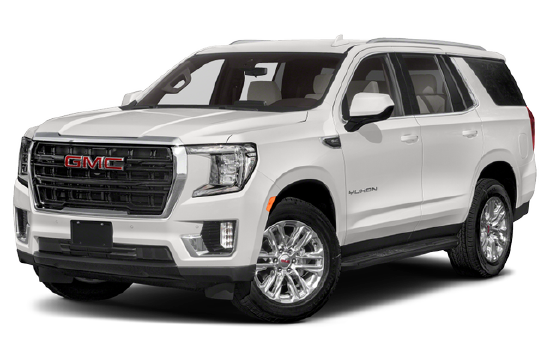
Best GMC Yukon XL for Large Families and Cross-Country Trips
Finding an SUV that can comfortably transport a large family across several states without sacrificing luggage space, passenger comfort, or highway performance is no small task.
GMC’s Yukon XL has long been a favorite among families who need genuine three-row accommodations, substantial cargo capacity, and the towing capability to bring a camper or recreational equipment along for the journey. With its extended wheelbase, available diesel engine, and upscale interior appointments, the Yukon XL offers a compelling alternative to traditional minivans and smaller three-row SUVs.
For buyers researching a GMC Yukon XL family review, the most important considerations extend beyond horsepower and luxury features. Choosing between the standard Yukon and Yukon XL, understanding the differences among trim levels, and evaluating long-term maintenance expenses can significantly influence ownership satisfaction.
This guide examines which Yukon XL configurations make the most sense for large families, how they perform on extended road trips, and what buyers should consider before committing to one of GMC’s largest SUVs.
Few vehicles combine passenger capacity and luggage space as effectively as the GMC Yukon XL. While many three-row SUVs advertise seating for seven or eight passengers, their cargo compartments become surprisingly restrictive when every seat is occupied. The Yukon XL addresses that limitation with a longer body and wheelbase than the standard Yukon, creating additional room behind the third row without requiring families to sacrifice passenger seating.
Current-generation Yukon XL models measure approximately 225 inches long and offer up to 144.5 cubic feet of maximum cargo capacity when the second and third rows are folded. More importantly for family travel, approximately 41.5 cubic feet remain available behind the third row, providing enough room for multiple suitcases, a stroller, and smaller travel essentials.
The Yukon XL also benefits from an independent rear suspension, which allows for a more accommodating third-row seating position than older full-size SUVs with traditional solid rear axles. Adults can comfortably occupy the rear seats for longer periods, while children benefit from generous legroom and available entertainment and charging features.
For families regularly traveling hundreds of miles, the combination of a quiet cabin, substantial cargo capacity, and confident highway manners makes the Yukon XL particularly appealing. Its considerable size requires some adjustment in parking lots and urban environments, but those compromises become easier to justify when the vehicle is loaded with passengers and luggage.
One of the most important decisions facing GMC shoppers is whether the extended Yukon XL is worth choosing over the standard Yukon. Both SUVs share their basic architecture, powertrain options, and many interior features, but their differences become significant when transporting a full passenger load.
The standard Yukon is easier to maneuver and park, making it attractive for families who primarily drive around town. The Yukon XL, meanwhile, prioritizes cargo flexibility and additional wheelbase length, qualities that become especially valuable during extended vacations.
| Specification | GMC Yukon | GMC Yukon XL |
|---|---|---|
| Overall Length | Approximately 210 inches | Approximately 225 inches |
| Wheelbase | 120.9 inches | 134.1 inches |
| Maximum Cargo Capacity | 122.9 cu. ft. | 144.5 cu. ft. |
| Cargo Space Behind Third Row | 25.5 cu. ft. | 41.5 cu. ft. |
| Maximum Seating Capacity | Up to 8 | Up to 8 |
| Available Engines | 5.3L V8, 6.2L V8, 3.0L Duramax | 5.3L V8, 6.2L V8, 3.0L Duramax |
| Best Application | Daily Driving and Occasional Trips | Large Families and Extended Travel |
Specifications reflect the current-generation Yukon family and may vary by model year, configuration, and equipment.
The most meaningful difference in the Yukon XL vs Yukon comparison is the approximately 16 cubic feet of additional cargo space behind the third row. Families traveling with six or more passengers will appreciate being able to carry luggage without folding seats or relying on rooftop cargo carriers.
The Yukon XL’s longer wheelbase can also contribute to a composed highway ride, particularly when traveling over uneven pavement. Although the standard Yukon remains an excellent family SUV, the Yukon XL is generally the stronger choice for households that routinely use all three rows while carrying substantial luggage.
Choosing the right Yukon XL trim involves balancing purchase price, comfort features, drivetrain capability, and long-term ownership expenses. GMC offers several configurations, with equipment and trim names varying by model year, but the most practical choices for family travel typically fall between the Elevation, AT4, and Denali models.
The Yukon XL Elevation provides an attractive balance of equipment, interior space, and affordability. It offers the essential advantages of the extended-length body without requiring buyers to pay for every premium feature available on higher trims.
Depending on model year and configuration, families can find large infotainment displays, heated front seats, wireless smartphone integration, and numerous driver-assistance technologies. Available second-row seating arrangements also allow buyers to prioritize passenger capacity or easier access to the third row.
For families primarily interested in comfortable transportation rather than luxury branding, the Elevation represents one of the most sensible choices in the lineup.
Families who regularly visit campgrounds, mountain destinations, or remote recreation areas may appreciate the Yukon XL AT4. Its off-road-oriented equipment, available four-wheel-drive technology, and rugged styling provide additional capability beyond what most conventional family SUVs offer.
The AT4 is particularly appealing for households that combine highway travel with occasional gravel roads, snowy conditions, or outdoor recreation. Its specialized equipment can increase purchase and replacement tire costs, making it less economical for families who rarely leave paved roads.
The Yukon XL Denali emphasizes refinement, advanced technology, and passenger comfort. Available premium audio systems, upgraded interior materials, and sophisticated suspension features make it especially attractive for families who spend considerable time on interstate highways.
The available 6.2-liter V8 delivers strong acceleration, while the available Duramax diesel offers a different balance of torque and fuel economy. Families planning frequent cross-country travel may find the Denali’s additional comfort features worthwhile, although its higher purchase price and potentially more expensive components should factor into the decision.
| Yukon XL Trim | Primary Advantage | Best Family Application |
|---|---|---|
| Elevation | Strong Value and Everyday Comfort | Daily Transportation and Family Vacations |
| AT4 | Off-Road Capability | Camping and Outdoor Recreation |
| AT4 Ultimate | Premium Comfort and Trail Capability | Luxury Adventure Travel |
| Denali | Upscale Interior and Highway Refinement | Frequent Long-Distance Trips |
| Denali Ultimate | Maximum Luxury and Technology | Premium Cross-Country Touring |
Engine selection can have a substantial impact on fuel expenses, towing performance, and long-term maintenance requirements. The Yukon XL offers three primary engine choices in recent model years, each with advantages depending on how the vehicle will be used.
The 5.3-liter V8 produces approximately 355 horsepower and provides sufficient performance for everyday family transportation. Its relatively straightforward operating characteristics and broad availability make it a practical choice for buyers who prioritize predictable performance over maximum acceleration.
The 6.2-liter V8 produces approximately 420 horsepower and delivers stronger acceleration, particularly when merging onto highways or passing slower traffic with a full passenger load. Its additional power comes with higher fuel consumption and potentially greater operating expenses.
The available 3.0-liter Duramax turbo-diesel is particularly interesting for long-distance travelers. In updated applications, it produces approximately 305 horsepower and 495 lb-ft of torque, offering strong low-speed pulling power and favorable highway fuel economy compared with the gasoline V8 alternatives.
| Engine | Horsepower | Torque | Primary Advantage |
|---|---|---|---|
| 5.3L V8 | 355 hp | 383 lb-ft | Balanced Performance and Value |
| 6.2L V8 | 420 hp | 460 lb-ft | Strong Acceleration and Power |
| 3.0L Duramax Diesel | 305 hp | 495 lb-ft | Highway Efficiency and Low-RPM Torque |
Figures represent recent Yukon XL engine specifications. Diesel output and engine availability differ across model years.
For families covering 15,000 to 20,000 highway miles annually, the Duramax deserves serious consideration. Buyers should compare local diesel prices, maintenance requirements, emissions-system expenses, and actual driving patterns before assuming it will deliver the lowest total ownership cost.
Although the Yukon XL is designed for demanding family transportation, its mechanical complexity and substantial size can translate into meaningful repair expenses as mileage increases. Buyers planning to keep their SUV beyond the original warranty period should budget for both routine maintenance and unexpected mechanical repairs.
Large tires, heavy-duty braking components, sophisticated suspension systems, and advanced electronics can all contribute to higher operating costs than those associated with smaller SUVs. Four-wheel-drive models introduce additional drivetrain components, while diesel configurations require specialized maintenance and emissions-system servicing.
| Service or Repair | Approximate Cost |
|---|---|
| Engine Oil and Filter Service | $90 to $180 |
| Brake Pads and Rotors, Per Axle | $400 to $900 |
| Transmission Diagnosis | $150 to $300 |
| Transmission Replacement | $4,500 to $8,000+ |
| Air Suspension Component Repair | $500 to $2,000+ |
| Water Pump Replacement | $600 to $1,200 |
| Major Engine Repair | $3,000 to $8,000+ |
Estimates are broad U.S. repair-cost ranges, not vehicle-specific quotes. Actual costs depend on model year, engine, labor rates, diagnosis, and repair scope.
Prospective buyers should also investigate vehicle-specific service histories and manufacturer communications. A Technical Service Bulletin, commonly called a TSB, is a document manufacturers issue to help technicians diagnose or repair known service conditions. Unlike a safety recall, a TSB does not automatically establish that a repair is free or covered by the manufacturer. Owners can research manufacturer communications, recalls, and complaints through the National Highway Traffic Safety Administration by entering their vehicle information or VIN.
Preventive maintenance becomes particularly important when a vehicle routinely carries a full passenger load or travels long distances. Following GMC’s recommended maintenance schedule, including any severe-service requirements that apply, helps reduce the likelihood of avoidable mechanical problems.
Engine oil changes should follow the vehicle’s oil-life monitoring system and manufacturer specifications, while transmission, cooling-system, and differential maintenance should be performed according to the appropriate service intervals. Families towing trailers or frequently driving through mountainous terrain may need more attentive maintenance than owners whose vehicles primarily see light-duty highway use.
Tire condition also deserves careful attention because the Yukon XL’s substantial weight places considerable demands on its tires and braking system. Maintaining correct tire pressures, checking tread depth, and inspecting brake components before extended trips can improve safety and reduce the risk of roadside interruptions.
Before a cross-country vacation, owners should also inspect coolant levels, battery condition, exterior lighting, windshield wipers, and available spare-tire equipment. Addressing minor concerns before departure is generally less expensive and considerably more convenient than arranging repairs hundreds of miles from home.
Reliability should be an important consideration for anyone purchasing a large SUV intended for years of family transportation. While the Yukon XL offers capable powertrains and a proven full-size SUV platform, individual ownership experiences can vary considerably depending on model year, maintenance history, engine selection, and equipment.
Gasoline V8 models may require attention to engine-related concerns, while diesel versions introduce additional emissions-system components that can increase repair complexity. Advanced suspension systems and electronic convenience features can also become expensive to service as vehicles age.
These considerations do not necessarily make the Yukon XL a poor long-term investment. Instead, they reinforce the importance of reviewing service records, arranging a thorough pre-purchase inspection for used examples, and understanding which components remain covered under existing warranties.
For families planning to retain their SUV well beyond 60,000 miles, evaluating potential repair expenses alongside fuel, insurance, and depreciation provides a more complete picture of ownership costs.
The Yukon XL is generally the better choice for families who regularly use all three rows of seating and need substantial luggage capacity. Its larger cargo compartment allows passengers to travel comfortably without requiring the third row to be folded, while the standard Yukon remains easier to maneuver in crowded parking areas.
The Yukon XL Elevation offers the strongest balance of comfort, practicality, and value for most families. Buyers who prioritize premium seating materials, additional convenience features, and refined highway travel may prefer the Denali, particularly when equipped with available comfort-oriented suspension technology.
The Yukon XL is particularly well suited to cross-country travel because of its spacious cabin, generous luggage capacity, and available driver-assistance features. Its long wheelbase and substantial dimensions contribute to a comfortable highway experience, although fuel consumption and parking convenience remain important considerations.
Current-generation Yukon XL models provide approximately 41.5 cubic feet of cargo space behind the third row. That capacity makes the vehicle especially practical for families traveling with luggage, strollers, sports equipment, and other bulky belongings while keeping all three seating rows available.
Maintenance expenses are generally higher than those of smaller SUVs because of the Yukon XL’s size, component costs, and available advanced technology. Routine servicing is relatively predictable, but major engine, transmission, suspension, or electronic repairs can become expensive once manufacturer warranty coverage expires.
Purchasing a Yukon XL is a substantial investment, particularly for families who expect to keep their vehicle through years of vacations, school activities, and everyday transportation. Understanding potential repair costs and reviewing available vehicle service contract options can help owners prepare for unexpected mechanical expenses as mileage accumulates.
Granger Warranty offers vehicle protection options with straightforward pricing and an online purchasing process designed to make coverage comparisons easier. Owners can review available plans, examine covered components, and determine whether additional protection makes financial sense for their specific vehicle and ownership plans.
Because coverage eligibility, exclusions, deductibles, repair procedures, and claim requirements vary by contract, families should carefully review the applicable terms before purchasing protection.
For households planning years of cross-country adventures, the GMC Yukon XL remains one of the most capable family-oriented SUVs available. Choosing the right trim, maintaining the vehicle properly, and preparing for long-term ownership expenses can help make every journey more comfortable and predictable.
Explore available coverage options at Granger Warranty and find a protection plan that fits your GMC Yukon XL and your family’s travel plans.
Stay up to date with the latest news from Granger Warranty