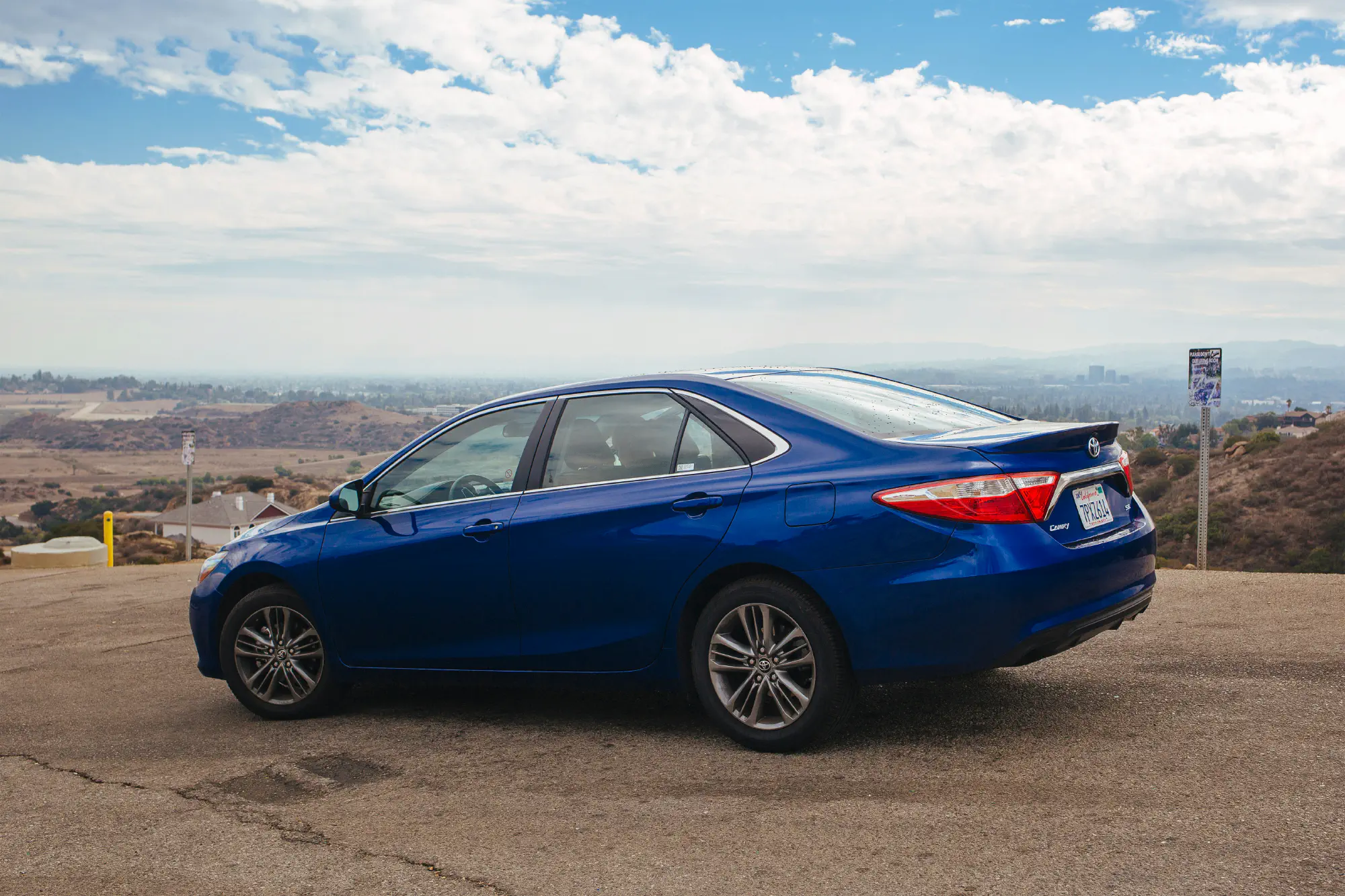
Brake and ABS Problems Reported in the 2022 Camry: What to Watch For
Brake and ABS problems in the 2022 Camry are usually minor and easy to address when caught early. Keeping up with regular maintenance and paying attention to pedal feedback ensures reliable braking performance. For complete protection against costly repairs, consider a factory backed extended warranty from Granger Warranty.
The 2022 Toyota Camry is known for dependable braking performance, but some owners have reported unusual pedal feel or intermittent warning lights related to the Anti Lock Braking System (ABS).
These issues can range from a soft or spongy brake pedal to ABS activation at low speeds when it shouldn’t engage. Understanding the difference between normal operation and a developing problem is key to staying safe on the road.
The Camry’s braking system integrates electronic sensors, hydraulic pressure control, and advanced driver assist systems. Even a minor fault in one component can trigger the ABS light or affect overall braking consistency.
Brake or ABS related warnings can result from several sources, including sensor contamination, air in the brake lines, or uneven brake pad wear. Below are common causes and their respective solutions.
Problem | Description | Recommended Fix |
ABS Warning Light On | The ABS module detects a fault in a wheel speed sensor or control circuit. | Scan system for error codes and replace faulty sensor |
Soft or Spongy Brake Pedal | Air or moisture in the brake lines reduces hydraulic pressure. | Bleed brakes and inspect for leaks |
Grinding or Pulsation at Low Speed | ABS engaging unnecessarily due to dirty or misaligned tone ring. | Clean or replace tone ring and sensor |
Uneven Brake Feel | Warped rotors or old brake fluid affecting pedal pressure. | Resurface rotors and replace fluid |
ABS Module Failure | Rare but can cause total loss of ABS control. | Replace ABS module and reprogram ECU |
Toyota has not issued a recall specific to 2022 Camry ABS problems, but similar complaints in prior years led to updated service bulletins involving sensor calibration and module software.
Brake and ABS repairs can vary widely depending on whether the fault is electrical, hydraulic, or mechanical. Below is a general estimate of potential costs.
Repair Type | Estimated Cost (Parts + Labor) |
Brake fluid flush | $100–$150 |
ABS sensor replacement | $150–$300 |
Rotor resurfacing or replacement | $250–$500 |
Brake booster or master cylinder replacement | $400–$800 |
ABS control module replacement | $700–$1,200 |
A simple brake fluid service or sensor cleaning can often resolve minor issues. However, ignoring an illuminated ABS warning light may lead to reduced braking efficiency, especially on wet or slippery roads.
Preventive maintenance is essential for keeping your Camry’s braking system responsive and safe. Consider the following tips:
Consistent maintenance not only improves stopping power but also extends the life of your braking components.
A brief ABS light at startup is normal, but a light that stays on or flashes during driving signals a malfunction. Since the ABS system is a safety critical feature, it should be checked promptly.
Even if braking feels normal, electrical or sensor issues can compromise stability control and traction systems. If you notice vibration in the pedal or inconsistent braking, schedule a diagnostic scan as soon as possible.
Although brake pads and rotors are considered wear items, the ABS control unit, sensors, and hydraulic components are covered under many extended protection plans. Granger Warranty offers factory backed coverage that includes these key systems.
With protection plans for Toyota, Ford, Chevy, and other brands, Granger Warranty helps reduce out of pocket costs for expensive electrical and hydraulic repairs, ensuring peace of mind long after the factory warranty ends.
Air or moisture in the brake lines is the most common cause. A complete brake fluid bleed usually restores normal pedal firmness.
The system has detected a fault in one of the sensors or control modules. It’s safe to drive cautiously, but ABS functionality may be disabled until repaired.
Yes. Dirt or corrosion on the tone ring or sensor can send false signals, causing the ABS to engage unnecessarily at low speeds.
Toyota recommends replacing brake fluid approximately every 2 years or 30,000 miles, depending on driving conditions.
Yes, factory backed plans from GrangerWarranty.com typically cover ABS modules, sensors, and electrical components beyond the basic warranty period.
Brake and ABS problems in the 2022 Camry are usually minor and easy to address when caught early. Keeping up with regular maintenance and paying attention to pedal feedback ensures reliable braking performance.
For complete protection against costly repairs, consider a factory backed extended warranty from Granger Warranty. It safeguards critical systems like ABS modules and sensors, helping your Camry remain safe and dependable for years to come.
Stay up to date with the latest news from Granger Warranty