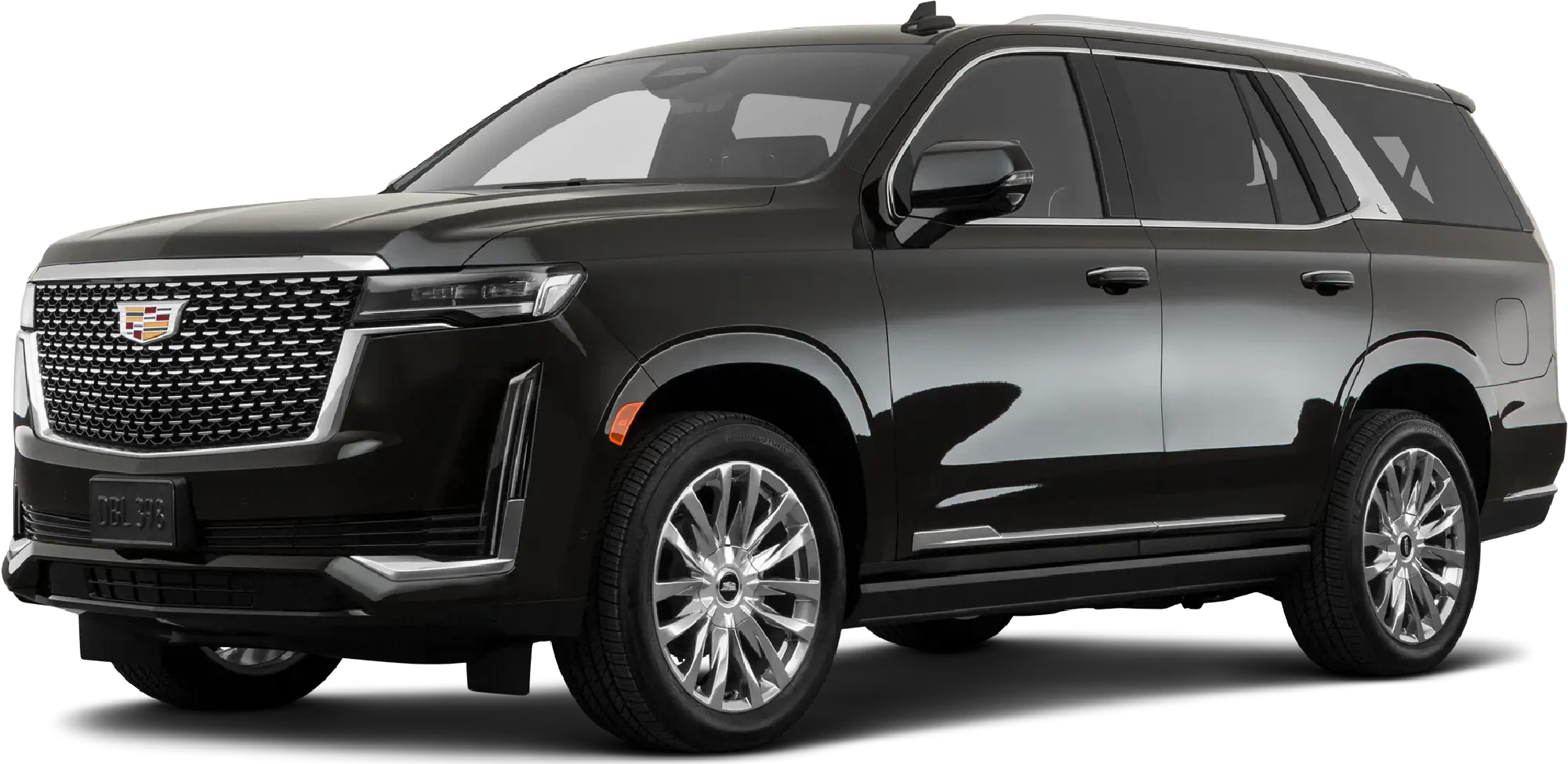
Cadillac Escalade Rear Differential Whine and Bearing Failure
Cadillac Escalade owners expect a full-size luxury SUV to deliver a quiet, composed ride, which makes an unfamiliar whine from the rear of the vehicle especially noticeable.
An Escalade Rear Differential Whine that rises or falls with vehicle speed can point to wear inside the rear axle assembly, although tires, wheel bearings, and other driveline components can create similar sounds.
Catching the source early matters. A minor noise may initially require only diagnosis or service, while prolonged operation with a damaged bearing or poorly lubricated differential can lead to gear damage and a substantially more expensive repair.
Differential noises are not unique to the Escalade, but the vehicle’s weight, power, towing capability, and complex drivetrain can place significant demands on axle components. RepairPal has also documented abnormal front or rear differential noise related to worn bearings or other internal faults on some Escalade model years.
A rear differential allows the drive wheels to rotate at different speeds while still receiving power from the drivetrain. Inside the housing are gears, bearings, seals, and lubricant that must work together under substantial loads.
Bearing wear can change how precisely the gears remain positioned relative to one another. Once bearing clearances become excessive, the ring and pinion gears may no longer maintain their intended contact pattern, potentially producing a whine, howl, hum, or growl.
Common contributors can include:
Fluid loss deserves particular attention. Cadillac’s parts information identifies leakage around axle shaft seals, fluid beneath the vehicle, and low differential fluid levels as signs associated with seal wear.
Low lubricant levels can reduce the protective film between heavily loaded internal components. Continued driving under those conditions can accelerate bearing and gear wear.
Noise characteristics can provide a technician with useful clues, although sound alone should not be treated as a definitive diagnosis.
| Noise or Symptom | Possible Source | When It May Be Most Noticeable |
|---|---|---|
| High-pitched whine | Ring-and-pinion wear or bearing issue | Acceleration or steady cruising |
| Howling | Gear wear or incorrect gear contact | Highway speeds |
| Growling or rumbling | Bearing deterioration | Increasing road speed |
| Clunk during load changes | Driveline play or internal wear | Shifting between acceleration and deceleration |
| Vibration | Bearing, driveshaft, tire, or driveline issue | Moderate to highway speeds |
| Fluid around axle housing | Seal or gasket leak | During inspection or after parking |
One complication is that a rear wheel bearing or tire problem can sound remarkably similar to a differential issue. RepairPal notes that failing wheel bearings can produce rumbling noises and that uneven tire wear may mimic bearing noise.
A technician may need to road-test the Escalade, inspect the tires and wheel bearings, check differential fluid, examine the housing for leaks, and listen to different areas of the driveline before determining where the noise originates.
Costs vary substantially because “differential whine” describes a symptom rather than a single repair. A relatively minor fluid or seal problem is very different from damaged bearings and gears requiring complete differential disassembly.
A professional diagnosis may begin with a road test followed by an inspection on a lift. Technicians may examine fluid condition and level, check for metal contamination, inspect seals, evaluate bearing play, and determine whether the sound changes between acceleration, cruising, and deceleration.
Approximate real-world repair exposure can look like this:
| Service or Repair | Approximate Cost Range |
|---|---|
| Initial driveline diagnosis | $100 to $250 |
| Differential fluid service | $150 to $350 |
| Seal-related repair | $300 to $800+ |
| Bearing repair or differential rebuild | $1,200 to $2,500+ |
| Major differential assembly replacement | $2,000 to $4,000+ |
| Related wheel hub replacement | $495 to $702 average |
These figures are broad estimates rather than quotes. Labor rates, Escalade generation, drivetrain configuration, parts availability, and the extent of internal damage can move the final invoice considerably.
For comparison, RepairPal currently estimates an average Cadillac Escalade wheel hub assembly replacement at roughly $495 to $702, demonstrating why ruling out wheel bearings before opening the differential can be important.
A differential that needs bearings but has undamaged gears may be repairable without replacing the entire assembly. If bearing deterioration has damaged the ring and pinion or contaminated multiple components with metal debris, costs can increase quickly.
Preventive maintenance cannot guarantee that a differential bearing will never fail, but proper lubrication and periodic inspection can help identify conditions that contribute to premature wear.
Cadillac recommends checking the owner’s manual for the maintenance requirements specific to each vehicle. Its general maintenance guidance also identifies differential service as an area to inspect as vehicles approach 100,000 miles, with a fluid change potentially recommended depending on the vehicle and its condition.
Owners should pay particular attention to fluid leaks. A small leak that appears insignificant on a driveway can eventually lower the lubricant level enough to affect internal components.
Useful habits include:
Cadillac parts information also emphasizes that differentials are designed for specific lubricants and recommends consulting the owner’s manual for the correct fluid.
Changing differential fluid will not repair an already damaged bearing or worn gear set. Once mechanical wear creates excessive clearances or damaged surfaces, the affected components generally require mechanical repair.
An Escalade Rear Differential Whine deserves attention, but it does not automatically mean the rear differential is about to fail.
Noise that remains faint and stable may have a relatively straightforward cause. A rapidly worsening howl, vibration, grinding sensation, fluid leak, or significant clunk should be investigated much sooner.
Owners should also avoid assuming that every speed-related rear-end noise comes from the differential. Tires, wheel hubs, driveshaft components, and other rotating parts can generate noises that travel through the body and seem to originate from another location.
A professional diagnosis is especially worthwhile before approving a costly differential replacement. Proper testing can prevent owners from replacing an expensive axle assembly when the actual problem is a wheel bearing, tire, or another driveline component.
A Technical Service Bulletin, commonly called a TSB, is information a manufacturer distributes to dealerships and technicians about known vehicle conditions, diagnostic procedures, repair methods, or service updates. A TSB is not automatically a safety recall and does not necessarily mean that every vehicle of the same year and model has the condition described.
Rather than relying on a specific bulletin number found in an old forum post, owners can search current manufacturer communications through the NHTSA recall and vehicle database. NHTSA allows consumers to search by year, make, and model and provides manufacturer communications when available.
Checking current information by VIN and model year is preferable because service information can change over time.
Luxury SUVs become more expensive to own when repairs involve major drivetrain assemblies rather than routine maintenance items. A differential repair that reaches several thousand dollars can be particularly disruptive when it occurs after the vehicle’s original coverage has expired.
That makes warranty coverage worth reviewing before problems appear. Service contracts differ in what they cover, which components qualify, what exclusions apply, and how claims are handled, so owners should review the actual contract rather than assume every drivetrain repair is automatically included.
Granger Warranty provides extended vehicle protection options with transparent online pricing and nationwide coverage availability. For an Escalade owner planning to keep the SUV well beyond its original warranty period, comparing coverage before higher-mileage repairs emerge can make future ownership expenses easier to anticipate.
Coverage eligibility and benefits vary by plan and vehicle. Owners should confirm whether components such as the differential, bearings, seals, driveshaft, transfer case, and related drivetrain parts are covered under the specific contract being considered.
No. Rear-end noises can come from wheel bearings, tires, driveshaft components, or other rotating parts in addition to the differential.
A road test and physical inspection are usually necessary before replacing parts. Paying for diagnosis first can be considerably less expensive than replacing the wrong component.
A faint noise does not necessarily mean immediate failure, but continuing to drive without determining the cause carries risk. Bearing or gear damage can progress and potentially turn a repairable differential into an assembly requiring extensive rebuilding or replacement.
Grinding, severe vibration, leaking fluid, or rapidly increasing noise warrants prompt inspection.
It depends on the cause. Correcting low or deteriorated lubricant may help when internal components have not suffered permanent damage.
Fresh fluid cannot restore a worn bearing or damaged gear surface. Persistent noise after proper servicing usually requires further diagnosis.
Technicians commonly road-test the vehicle and compare noise during acceleration, steady cruising, and deceleration. They can then inspect the differential fluid, seals, wheel bearings, tires, driveshaft, and axle assembly.
If internal differential damage is suspected, further inspection may be necessary to evaluate bearing condition and gear wear.
Coverage depends on the specific service contract, the failed component, vehicle eligibility, and the cause of failure. Differential gears and bearings may fall under drivetrain coverage in some plans, while maintenance items, pre-existing problems, or certain seals may be treated differently.
Review the contract before purchasing coverage and before authorizing a repair so you understand the applicable terms, exclusions, and claim procedures.
Escalade Rear Differential Whine is best treated as an early warning rather than something to drown out with the stereo. Diagnosing a new driveline noise promptly gives an owner the best opportunity to address fluid loss, bearing wear, or another underlying problem before additional components are damaged.
For owners planning to keep their Cadillac beyond the original warranty period, unexpected drivetrain repairs are an important part of the long-term ownership equation. Visit Granger Warranty to compare available extended warranty options, review pricing, and determine whether additional coverage makes sense for your Escalade.
Stay up to date with the latest news from Granger Warranty