Chevy Colorado vs GMC Canyon: Are They Really the Same Truck?
Choosing between the Chevy Colorado vs GMC Canyon can be surprisingly difficult.
Both midsize pickups share a General Motors platform, offer similar powertrains, and are built for drivers who want capability without stepping up to a full-size truck. Yet subtle differences in styling, features, trim levels, and ownership experience can make one a better fit depending on your priorities.
While these trucks have plenty in common under the sheet metal, they aren’t simply rebadged versions of one another. Understanding what separates them can help buyers make a more informed purchasing decision and better prepare for long-term ownership costs.
At their core, the Chevrolet Colorado and GMC Canyon share the same chassis, engine lineup, transmission, and many mechanical components. Both entered an all-new generation for the 2023 model year and continue with similar engineering today.
Here’s a quick comparison:
| Feature | Chevy Colorado | GMC Canyon |
|---|---|---|
| Platform | GM 31XX Midsize Truck | GM 31XX Midsize Truck |
| Engine | 2.7L TurboMax I4 | 2.7L TurboMax I4 |
| Horsepower | 310 hp | 310 hp |
| Torque | 430 lb-ft | 430 lb-ft |
| Transmission | 8-speed automatic | 8-speed automatic |
| Standard 4WD | Available on select trims | Standard on most trims |
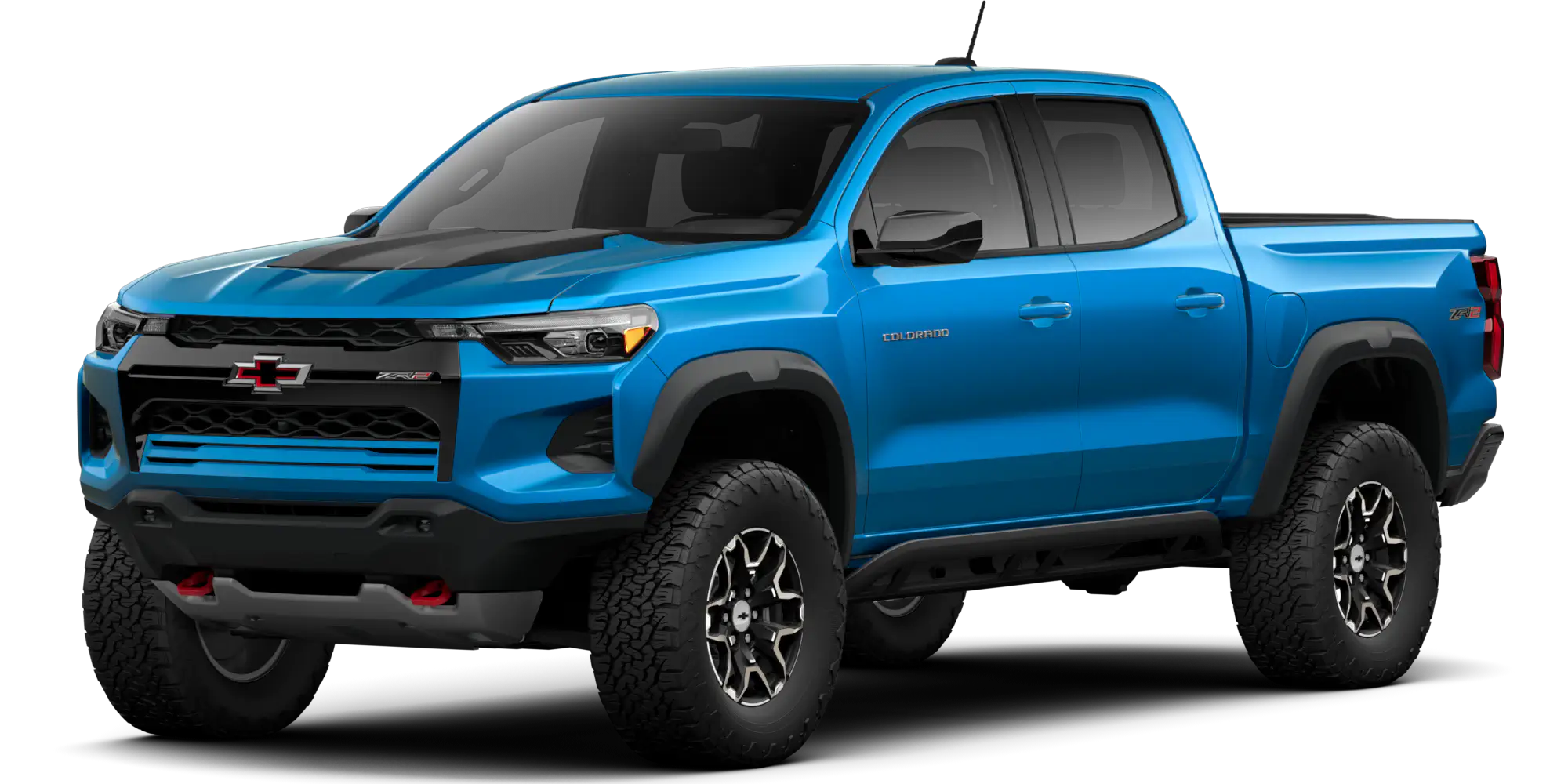
| Off-Road Models | Trail Boss, ZR2 | AT4, AT4X |
| Towing Capacity | Up to 7,700 lbs | Up to 7,700 lbs |
Although the mechanical foundation is nearly identical, Chevrolet positions the Colorado as the sportier, value-oriented option, while GMC markets the Canyon as a more premium truck with additional standard equipment and upscale interior materials.
Exterior styling also differs significantly. The Colorado emphasizes aggressive, youthful styling, while the Canyon features a more refined appearance with unique lighting, grille designs, and trim-specific accents.
Since these trucks share most of their mechanical components, they also tend to experience many of the same maintenance items and potential issues over time.
Some commonly discussed owner concerns include:
Being common does not necessarily mean widespread or severe. Many concerns are addressed through software updates or Technical Service Bulletins (TSBs), while others may only affect a small percentage of owners.
Approximate repair costs include:
| Repair | Estimated Cost |
|---|---|
| Infotainment module diagnosis | $150 to $300 |
| Turbocharger replacement | $2,000 to $3,500 |
| Front suspension repairs | $500 to $1,400 |
| Camera or sensor calibration | $250 to $800 |
| Electronic module replacement | $500 to $1,500 |
Actual pricing varies depending on location, dealership labor rates, and whether repairs are covered under warranty.
Routine maintenance remains the single biggest factor in maximizing truck longevity.
Owners should follow the factory maintenance schedule and pay particular attention to:
Drivers who frequently tow trailers or travel off-road should inspect suspension components, skid plates, and drivetrain components more often than typical highway drivers.
Modern trucks rely heavily on software, meaning dealership updates can sometimes improve drivability, transmission behavior, and electronic systems without replacing any hardware.
A useful resource for owners is the Technical Service Bulletin, commonly called a TSB. Unlike a recall, a TSB alerts dealership technicians to known issues, revised repair procedures, or software updates that may resolve customer complaints. Owners can find TSB reports through the National Highway Traffic Safety Administration (NHTSA) website, manufacturer service portals, or by asking a dealership to check for bulletins that apply to their vehicle’s VIN.
Overall, both trucks have earned favorable reputations for capability, towing performance, and modern technology.
The 2.7-liter TurboMax engine delivers impressive torque while simplifying the engine lineup compared to previous generations. Like any turbocharged engine, consistent maintenance becomes increasingly important as mileage accumulates.
Because the Colorado and Canyon share so many components, reliability differences between them are generally minimal. Buyers should instead focus on trim level, desired features, intended use, and maintenance history when shopping used.
For drivers planning to keep their truck well beyond the original factory warranty period, budgeting for future electronic repairs and advanced technology components is a smart ownership strategy.
Purchase price represents only part of total ownership cost.
Here is a comparison of long-term ownership considerations:
| Ownership Category | Chevy Colorado | GMC Canyon |
|---|---|---|
| Initial Purchase Price | Generally lower | Generally higher |
| Fuel Economy | Nearly identical | Nearly identical |
| Insurance | Slightly lower | Slightly higher |
| Maintenance | Comparable | Comparable |
| Repair Costs | Comparable | Comparable |
| Resale Value | Strong | Slightly stronger on premium trims |
Since repair costs remain similar, the primary financial differences usually come from trim levels, optional equipment, and purchase price rather than mechanical reliability.
Even well-built trucks can develop expensive repair needs as mileage increases.
Advanced driver assistance systems, digital instrument clusters, infotainment displays, turbocharged engines, and electronic control modules all contribute to rising repair costs compared to older pickups.
Drivers planning to own their truck for many years often evaluate extended vehicle protection before the original warranty expires.
Granger Warranty helps vehicle owners compare coverage options for Chevrolet, GMC, Ford, Toyota, and many other brands. Rather than focusing on sales pressure, the company emphasizes transparent pricing, nationwide coverage options, and straightforward online purchasing. Learn more about available plans at Granger Warranty.
Mechanically, they are extremely similar. They share the same platform, engine, transmission, and many components, but differ in styling, trim levels, standard features, and pricing.
Neither truck has a clear reliability advantage because they share nearly identical engineering. Proper maintenance has a much greater impact on long-term reliability than the badge on the grille.
Routine maintenance costs are generally very similar. Purchase price and optional luxury features often make the Canyon more expensive to own overall.
Both trucks offer capable off-road models. The Colorado ZR2 and Canyon AT4X feature upgraded suspension systems, locking differentials, and specialized equipment designed for challenging terrain.
Many owners consider extended coverage once the factory warranty nears expiration, especially if they plan to keep the truck for several years. Modern trucks contain increasingly sophisticated electronics and powertrain components that can be expensive to repair.
Whether you choose the Chevrolet Colorado or GMC Canyon, both trucks deliver impressive capability, modern technology, and strong towing performance. Since they share so much engineering, long-term ownership often comes down to maintenance, driving habits, and preparing for future repair costs.
If you’re planning to keep your truck well beyond its original warranty, explore protection options available through Granger Warranty. Visit Granger Warranty to compare coverage plans, review pricing, and find a solution that fits your ownership goals.
Stay up to date with the latest news from Granger Warranty