Chevy Silverado HD/GMC Sierra HD Duramax 6.6L Diesel Injector and DEF System Issues
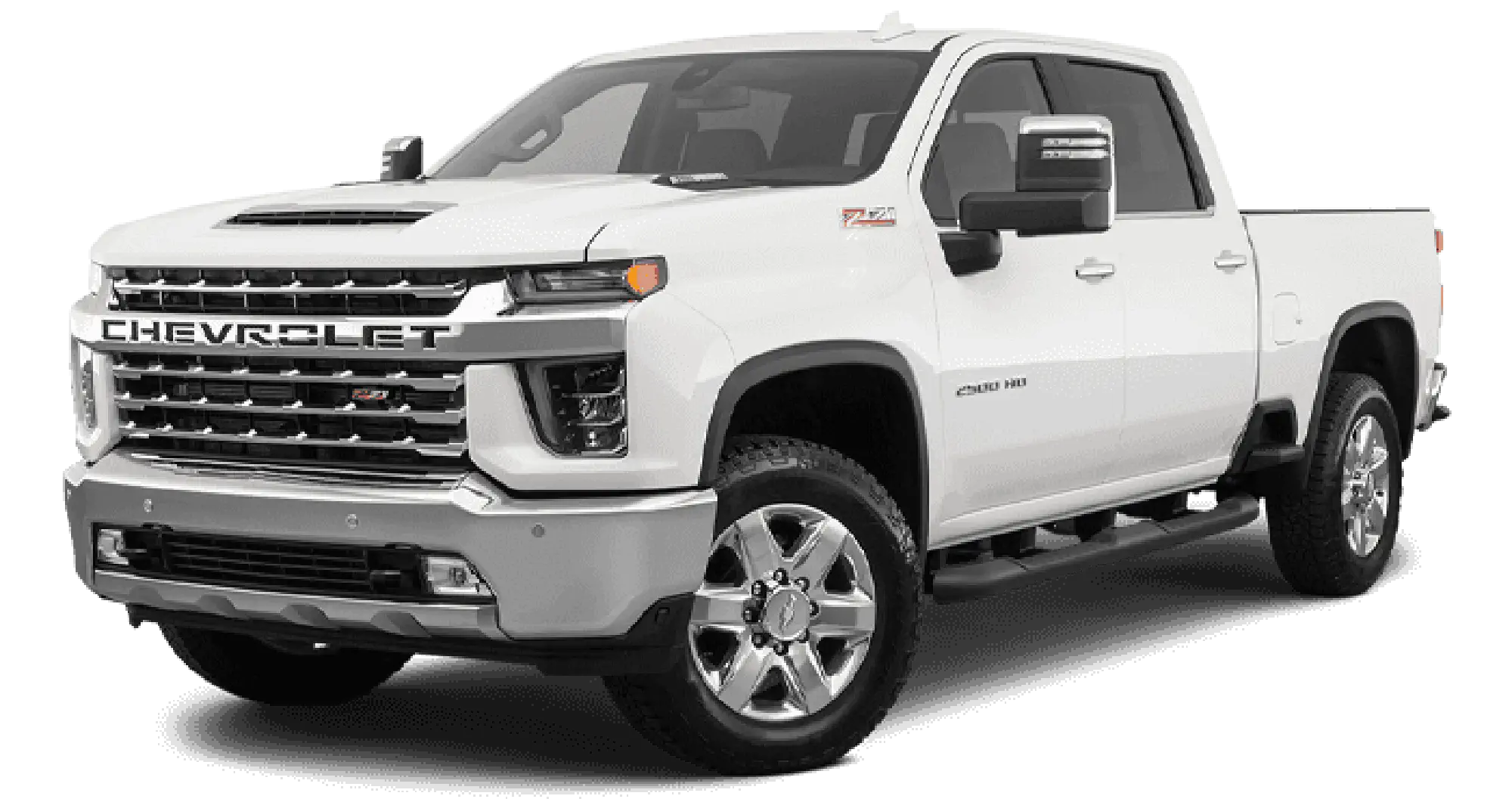
Chevy Silverado HD and GMC Sierra HD trucks equipped with the 6.6L Duramax diesel are built for demanding work, from heavy towing to long-distance hauling.
That capability comes with sophisticated high-pressure fuel injection and diesel emissions equipment, both of which can become expensive when something goes wrong.
For owners researching Duramax 6.6 Injector DEF Problems, two areas deserve particular attention: the fuel injection system and the selective catalytic reduction system that uses diesel exhaust fluid, commonly called DEF.
Symptoms can range from rough running and difficult starts to warning messages, reduced engine power, or emissions-related speed limitations. Not every warning indicates a catastrophic failure, but understanding how these systems work can help owners react before a relatively manageable problem becomes a much larger repair.
Duramax design and emissions hardware have also evolved considerably across different generations. A problem associated with one engine generation should not automatically be assumed to affect every Silverado HD or Sierra HD equipped with a 6.6L Duramax.
Modern Duramax engines use common-rail direct fuel injection. Diesel fuel is supplied at extremely high pressure and precisely metered through electronically controlled injectors, allowing the engine computer to manage combustion timing, power delivery, fuel economy, noise, and emissions.
Injector trouble can develop when an injector no longer delivers the commanded quantity or spray pattern. Internal wear, contamination, electrical faults, fuel-system problems, or excessive return flow can contribute to symptoms that initially resemble other diesel problems.
Possible injector-related symptoms include:
Diagnosis matters because replacing injectors based only on symptoms can become very expensive. A technician may need to evaluate diagnostic trouble codes, injector balance or correction data, fuel-rail pressure, electrical circuits, fuel quality, and other operating information before identifying the actual cause.
DEF-related problems occur on a different side of the engine’s operation. Diesel exhaust fluid is injected into the exhaust stream as part of the selective catalytic reduction, or SCR, emissions system. The process helps convert nitrogen oxides into less harmful compounds before exhaust leaves the tailpipe.
A DEF warning therefore does not necessarily mean the truck simply needs more fluid. Sensors, heaters, pumps, wiring, dosing equipment, exhaust components, fluid quality, and control software can all influence system operation.
Drivers should pay attention when a Duramax begins behaving differently, especially if multiple symptoms appear together. Modern diesel powertrains monitor fuel delivery and emissions performance closely, so seemingly minor abnormalities can eventually trigger warning messages or reduced-power strategies.
| Symptom | Possible Area to Investigate | Recommended Response |
|---|---|---|
| Rough idle | Injector, fuel delivery, electrical issue | Schedule diagnostic testing |
| Hard starting | Fuel pressure, injector, battery or glow-plug system | Diagnose before replacing parts |
| Excessive smoke | Injector, combustion or emissions issue | Avoid heavy operation until inspected |
| Check engine light | Multiple possible systems | Retrieve diagnostic codes |
| DEF warning | Fluid level, quality, sensor or SCR system | Inspect promptly |
| Reduced engine power | Fuel or emissions fault | Limit heavy towing until diagnosed |
| Emissions countdown or speed warning | SCR/DEF system fault | Seek service promptly |
Warning lights should be treated as diagnostic clues rather than proof that a specific component has failed. Diesel systems are interconnected, and replacing the first component associated with a fault code can result in unnecessary expense if the underlying cause lies elsewhere.
Owners who regularly tow heavy trailers should be especially attentive. A truck that appears reasonably normal while unloaded may show fuel-delivery or emissions problems more clearly when operating under sustained load.
Repair costs for Duramax 6.6 Injector DEF Problems vary considerably depending on the model year, engine generation, failed component, local labor rates, and whether additional parts are affected.
Basic diagnostic work may begin in the low hundreds of dollars. More extensive troubleshooting can cost more when a technician needs to perform fuel-pressure testing, injector evaluation, electrical diagnosis, emissions-system testing, or road testing under specific conditions.
Injector repairs can become substantially more expensive. Replacing an individual component may cost hundreds of dollars or more, while extensive injector work can reach several thousand dollars once parts and labor are included.
DEF and SCR repairs have an equally broad range. A relatively straightforward sensor, heater, wiring, or fluid-related repair may remain under four figures, while replacement of more substantial emissions-system hardware can push the bill well beyond $1,000.
| Service or Repair | Approximate Cost Range |
|---|---|
| Basic diesel diagnostic inspection | $150 to $300+ |
| Advanced fuel or emissions diagnosis | $200 to $500+ |
| Individual injector-related repair | $500 to $1,500+ |
| Multiple injector replacement | $2,000 to $5,000+ |
| DEF sensor, heater or related repair | $300 to $1,500+ |
| DEF pump or dosing-system repair | $700 to $2,000+ |
| Major SCR/emissions-system repair | $1,500 to $4,000+ |
These figures are general planning estimates rather than quotes. Labor rates, parts pricing, accessibility, diagnostic time, and the specific Duramax generation can change the final invoice considerably.
An accurate diagnosis is especially valuable on a diesel HD truck because several thousand dollars can separate a minor electrical or sensor repair from major fuel-system or emissions-component replacement.
A Technical Service Bulletin, commonly abbreviated TSB, is information issued by an automaker to help dealership technicians diagnose or repair a known vehicle condition. A TSB is not automatically a recall, and its existence does not necessarily mean a repair will be performed free of charge.
Owners can search for manufacturer communications and TSB information through the National Highway Traffic Safety Administration. Searching by the truck’s year, make, and model can help owners determine whether manufacturer guidance exists for symptoms similar to what they are experiencing.
TSBs are particularly useful when troubleshooting complicated electronic, fuel, and emissions systems because a manufacturer may have developed specific diagnostic procedures or updated repair guidance. Owners should still have the individual vehicle properly diagnosed rather than assuming a bulletin proves that a particular component has failed.
No maintenance routine can guarantee that an injector, sensor, pump, or emissions component will never fail. Good diesel ownership habits can still reduce avoidable problems and make abnormal behavior easier to identify early.
Use diesel fuel from reputable, high-volume stations when possible. Contaminated fuel or water in the fuel system can create serious problems for precision high-pressure injection components.
Follow GM’s recommended fuel-filter replacement intervals for your specific model year and operating conditions. Owners who tow frequently, operate in severe environments, or accumulate substantial mileage should pay particularly close attention to scheduled maintenance.
Use DEF that meets the specification required by the vehicle manufacturer. DEF can degrade or become contaminated if it is stored improperly, and pouring incorrect fluids into the DEF tank can create an expensive service problem.
Avoid ignoring emissions warnings simply because the truck still drives normally. Certain unresolved emissions faults can eventually trigger escalating warnings, reduced performance, or vehicle-speed limitations.
Long periods of repeated short-trip driving can also be harder on modern diesel emissions equipment than sustained highway operation. Owners who purchased a diesel primarily for very short commuting should understand that the emissions system is designed around operating conditions that periodically allow the exhaust system to reach appropriate temperatures.
Keeping maintenance and repair records is another worthwhile habit. Documentation can help technicians identify recurring patterns and can provide useful information when warranty coverage or prior repairs need to be reviewed.
Potential injector and DEF repairs deserve consideration because they can be costly, but they should be viewed in context. Silverado HD and Sierra HD Duramax trucks are sophisticated heavy-duty vehicles, and their fuel and emissions systems reflect the performance and regulatory demands placed on modern diesel engines.
A properly maintained truck with good service history should generally be a more attractive purchase than one evaluated solely by mileage. Buyers considering a used Duramax should look for maintenance documentation, warning lights, unusual exhaust behavior, rough running, hard starting, and unresolved emissions messages.
A pre-purchase inspection can be particularly valuable. Asking a qualified diesel technician to scan the vehicle for current and stored diagnostic codes can reveal information that a short test drive might miss.
Buyers should also research the exact model year and Duramax generation under consideration. Fuel-system designs, emissions equipment, component placement, and service procedures have changed over the years, making generation-specific research more useful than broad claims about every 6.6L Duramax.
High repair costs are ultimately the biggest ownership consideration. A Duramax HD truck may spend years delivering dependable service, but a single major fuel or emissions repair can still create a significant unexpected expense after applicable factory coverage expires.
Owners planning to keep a Silverado HD or Sierra HD well beyond its original warranty period may want to consider how they would handle an unexpected multi-thousand-dollar repair.
Before purchasing any extended vehicle protection, review the actual contract. Diesel fuel systems and emissions components can be treated differently depending on the plan, and exclusions, eligibility requirements, deductibles, maintenance obligations, and coverage limits should all be understood beforehand.
It is also important to distinguish between an extended service plan and federally mandated emissions coverage that may apply to certain components for specified periods. Coverage varies by vehicle and component, so owners should verify eligibility using their VIN and warranty documentation rather than assuming every DEF-related component receives identical protection.
Granger Warranty provides extended vehicle coverage options with transparent pricing and a straightforward online purchasing process. Owners comparing plans can review available options before deciding whether extended protection fits their expected ownership period and repair-risk tolerance.
Injector reliability depends heavily on the specific Duramax generation, mileage, operating conditions, maintenance history, and fuel quality. Owners should avoid assuming that an injector problem associated with one model year applies equally to every 6.6L Duramax.
Rough idle, difficult starting, abnormal diesel knock, smoke, reduced fuel economy, misfire symptoms, or a check engine light can indicate a fuel-injection issue. Those symptoms can also have other causes, so professional diagnosis is recommended before injector replacement.
A DEF warning can be triggered by more than low fluid. Fluid quality, sensors, heaters, pumps, dosing equipment, electrical faults, SCR performance, or related control-system problems may be involved.
A brief drive to obtain service may be possible depending on the warning and how the truck is operating, but the message should not be ignored. Some unresolved emissions faults can progress to reduced-power or vehicle-speed limitations, so owners should consult the owner’s manual and arrange diagnosis promptly.
Coverage depends entirely on the specific service contract, component, cause of failure, vehicle eligibility, and exclusions. Owners should review plan documents carefully and confirm whether diesel fuel-system and emissions-related components are included before purchasing coverage.
Modern Duramax trucks combine impressive towing capability with sophisticated fuel and emissions technology. That complexity means owners should budget not only for routine diesel maintenance but also for the possibility of higher-cost repairs as the truck ages.
Good maintenance, quality fuel and DEF, prompt attention to warning messages, and accurate diagnosis can help reduce unnecessary repair expenses. For owners planning to keep a Silverado HD or Sierra HD long term, understanding potential repair exposure before factory coverage ends can make ownership costs easier to manage.
Drivers interested in additional protection can explore coverage options at Granger Warranty. Compare available plans, read the coverage terms carefully, and choose protection based on your specific truck, mileage, and expected ownership period.
Stay up to date with the latest news from Granger Warranty