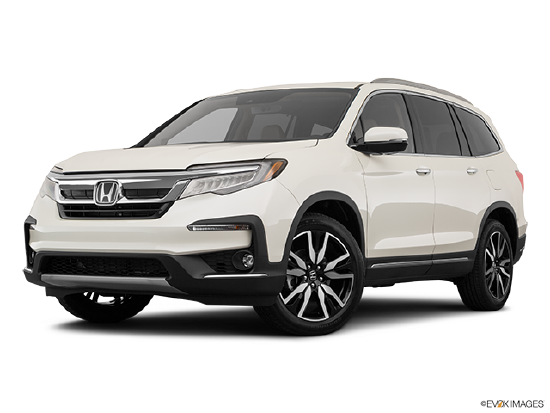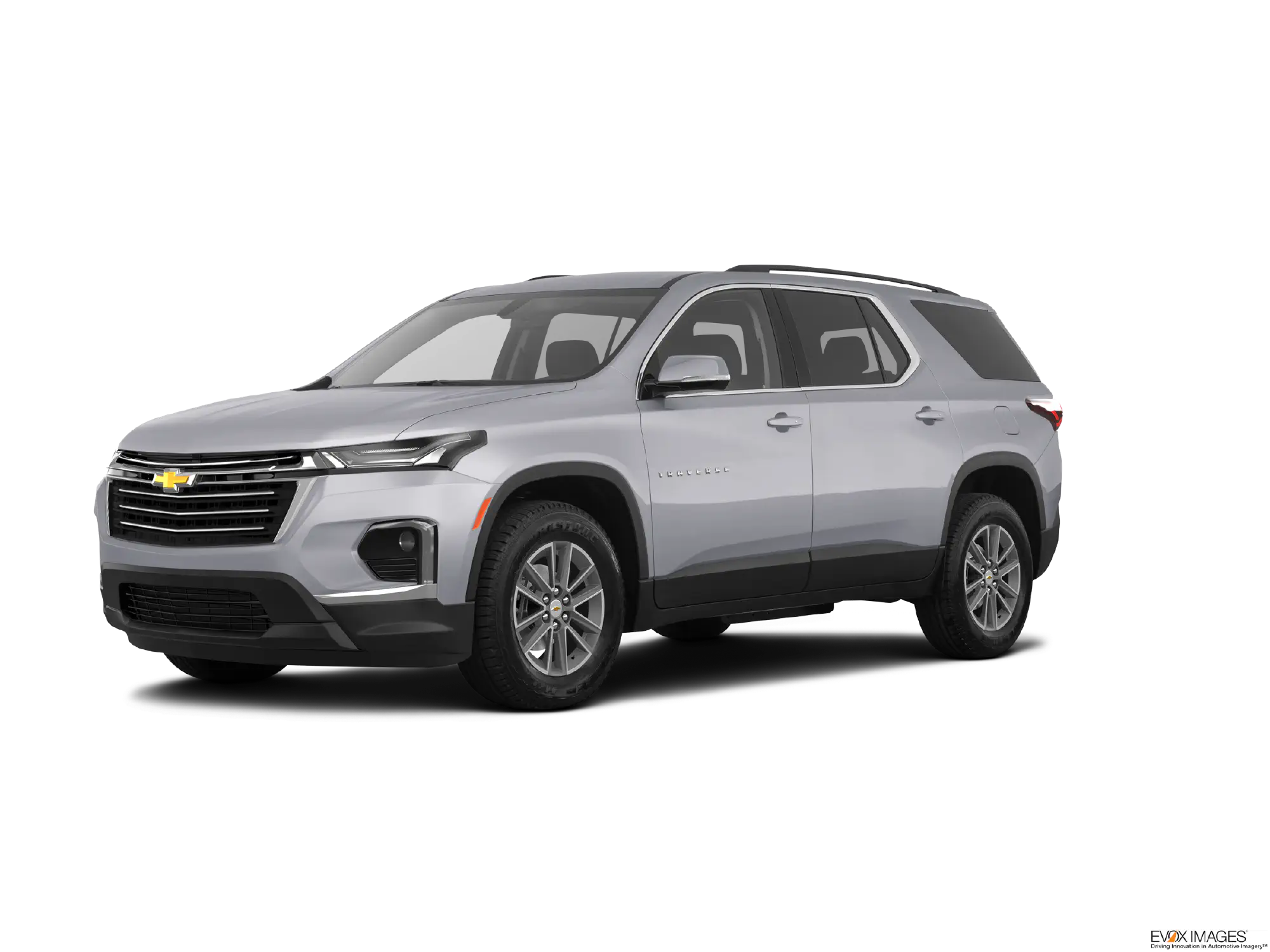
Chevy Traverse vs Honda Pilot Maintenance Costs
Choosing between a Chevy Traverse and a Honda Pilot often comes down to long-term ownership costs, not just upfront price.
Families planning to keep an SUV beyond 60,000 miles should understand how maintenance, repair frequency, and parts costs compare over time.
Both models are popular three-row SUVs, but their maintenance profiles differ in subtle ways that can impact the total cost of ownership.
When comparing Traverse vs Pilot maintenance cost, both SUVs fall into the midsize segment, but Honda has historically maintained a slight edge in long-term reliability.
The Honda Pilot tends to have fewer unexpected repairs as mileage climbs, while the Chevy Traverse can have slightly higher repair expenses related to electronics, transmission components, and cooling systems.
Below is a general cost comparison based on ownership trends:
| Category | Chevy Traverse | Honda Pilot |
|---|---|---|
| Annual Maintenance | $650 to $850 | $550 to $750 |
| Major Repairs (100K+) | $1,200 to $3,500 | $800 to $2,800 |
| Transmission Risk | Moderate | Lower |
| Electronics Issues | Moderate | Low |
These differences may seem small yearly, but over 5 to 10 years, they can add up significantly for family SUV ownership cost planning.
Understanding where repair expenses come from helps explain why ownership costs differ between these SUVs.
Chevy Traverse owners often report issues with:
Honda Pilot owners more commonly encounter:
Repair costs vary widely depending on mileage and driving habits, but here are typical estimates:
| Repair Type | Estimated Cost |
|---|---|
| Transmission Repair | $2,500 to $4,500 |
| AC Compressor Replacement | $900 to $1,500 |
| Brake Job (Full) | $400 to $900 |
| Suspension Repairs | $600 to $1,800 |
These repair expenses highlight why long-term planning matters for families relying on a single primary vehicle.
Maintenance costs increase as vehicles age, especially after factory warranty coverage expires.
From 0 to 60,000 miles, both SUVs require basic services like oil changes, tire rotations, and brake inspections. Costs remain predictable and relatively low.
Between 60,000 and 100,000 miles, differences begin to appear. The Traverse may require more drivetrain-related attention, while the Pilot continues to show steady but manageable wear items.
Beyond 100,000 miles, repair expenses increase for both vehicles, but the Traverse tends to show more variability in major component failures.
| Mileage Range | Traverse Avg Cost | Pilot Avg Cost |
|---|---|---|
| 0 to 60K | $1,200 to $2,000 | $1,000 to $1,800 |
| 60K to 100K | $2,500 to $4,500 | $2,000 to $3,500 |
| 100K+ | $4,000 to $7,500 | $3,500 to $6,000 |
This reinforces the importance of budgeting for repair expenses as vehicles age.
Preventive maintenance is the most effective way to control family SUV ownership costs.
Regular fluid changes, including transmission and coolant service, can significantly extend component life. Ignoring these services is one of the most common causes of costly repairs.
Owners should also pay attention to early warning signs such as rough shifting, overheating, or unusual noises. Addressing small issues early can prevent major failures.
Staying consistent with manufacturer-recommended service intervals is especially important for vehicles like the Traverse, where certain systems are more sensitive to neglect.
Technical Service Bulletins, or TSBs, are issued by manufacturers to address known issues and provide updated repair procedures. They are not recalls, but they can highlight common problems and recommended fixes.
Owners can find TSBs through the National Highway Traffic Safety Administration website or by asking a dealership service department to check for bulletins specific to their vehicle.
Reviewing TSBs can help identify patterns in repair expenses and give insight into potential long-term ownership risks.
For most buyers, neither SUV is considered unreliable. Both the Chevy Traverse and Honda Pilot are capable of reaching high mileage with proper maintenance.
However, the difference lies in predictability. The Pilot generally offers more consistent maintenance costs, while the Traverse may have more fluctuation due to occasional higher-cost repairs.
Buyers planning to keep their SUV well past 100,000 miles should factor in these differences when evaluating long-term ownership costs.
As repair expenses increase with mileage, many owners look for ways to stabilize costs.
OEM-style repair coverage helps reduce financial uncertainty by covering major components under OEM repair standards. This means repairs are completed using genuine parts and manufacturer-approved procedures.
For drivers comparing long-term ownership strategies, this type of coverage can help turn unpredictable repair expenses into more manageable costs.
You can explore coverage options and pricing directly at Granger Warranty to understand how plans align with your vehicle and mileage goals.
In most cases, yes. The Traverse tends to have slightly higher repair expenses over time, especially after 60,000 miles, due to drivetrain and electronics-related issues.
The Honda Pilot generally has lower long-term repair expenses thanks to consistent reliability and fewer major component failures at higher mileage.
Owners should plan for $600 to $900 annually in maintenance, with additional savings set aside for larger repairs after 100,000 miles.
Transmission-related issues are reported more frequently in the Traverse compared to the Pilot, particularly in higher mileage models.
Yes. Vehicles with lower repair expenses and better reliability history, like the Pilot, often retain value better over time.
Understanding Traverse vs Pilot maintenance cost helps buyers make informed decisions about long-term ownership.
While both SUVs serve families well, differences in repair expenses and reliability trends can impact total cost significantly over time.
Drivers looking to protect themselves from rising repair costs can review OEM-style repair protection options through Granger Warranty. Plans are designed to provide nationwide support, transparent pricing, and repairs aligned with OEM standards.
Learn more or compare plans today at Granger Warranty and take control of your long-term vehicle ownership costs.
Stay up to date with the latest news from Granger Warranty