Duramax LML CP4.2 Fuel Pump Failure: Warning Signs and Why Metal Debris Wrecks the Fuel System
Duramax diesel engines have earned a loyal following among heavy-duty truck owners who depend on their vehicles for towing, hauling, and long-distance travel.
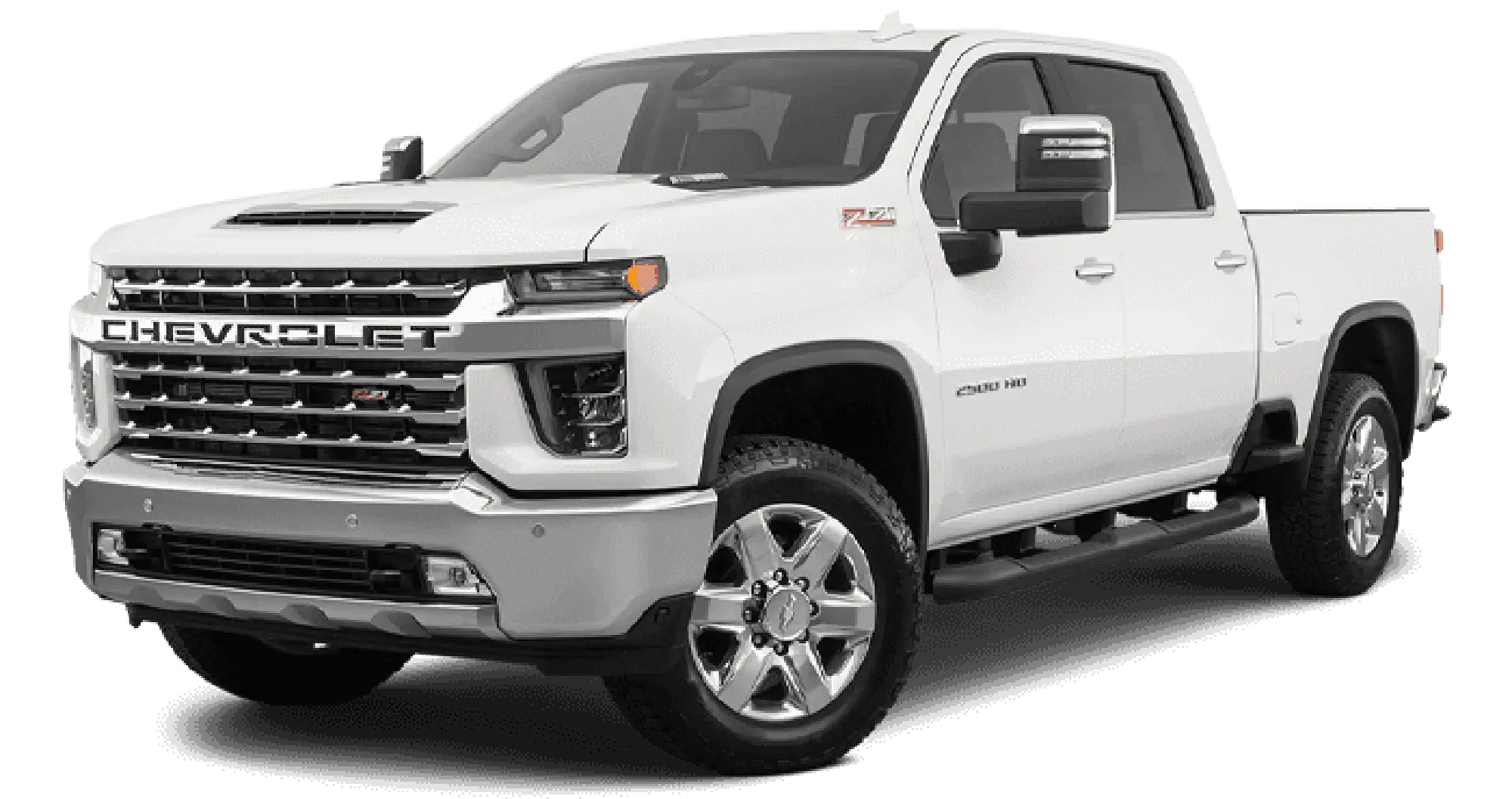
Among the most discussed reliability concerns involving the 2011 through 2016 Chevrolet Silverado 2500HD and 3500HD and GMC Sierra HD is the high-pressure fuel pump used in the 6.6-liter LML Duramax engine.
Unlike an ordinary fuel pump problem that might leave a truck struggling to start, an LML CP4 fuel pump failure can introduce microscopic metal particles throughout the high-pressure fuel system. What begins as internal wear inside a single component can escalate into an expensive repair involving fuel injectors, fuel rails, lines, and other critical components.
Understanding Duramax CP4 failure symptoms, recognizing early warning signs, and knowing how contamination spreads can help owners respond before additional damage occurs. For drivers planning to keep their Duramax trucks beyond the original warranty period, the potential repair expense also deserves serious consideration.
General Motors introduced the LML generation of its 6.6-liter Duramax diesel engine for the 2011 model year, bringing revised emissions equipment, increased performance, and a sophisticated common-rail fuel injection system. Central to that system was the Bosch CP4.2 high-pressure fuel pump, which replaced the CP3 pump used in earlier Duramax applications.
The CP4.2 is designed to generate the extremely high fuel pressures necessary for modern diesel combustion. These pressures help the engine deliver strong torque, precise fuel delivery, and cleaner exhaust emissions while maintaining the performance expected from a heavy-duty pickup.
Unfortunately, the CP4.2 has become controversial because certain internal failures can generate metallic debris that travels through the fuel system. The concern is not simply that the pump stops working, but that its failure can damage components far beyond the pump itself.
Not every LML Duramax will experience CP4 failure, and mileage alone cannot predict when a problem might occur. Nevertheless, the potential consequences make the pump an important consideration when evaluating a used truck or planning long-term maintenance.
One challenge with CP4.2 failures is that symptoms can resemble more routine diesel fuel system problems. Restricted fuel filters, contaminated diesel, electrical faults, and injector issues can produce similar behavior, making proper diagnosis essential.
Some trucks develop noticeable drivability problems before the pump fails completely, while others experience a sudden loss of power with little advance warning.
| Warning Sign | What the Driver May Notice | Possible Explanation |
|---|---|---|
| Extended Cranking | Engine takes longer than normal to start | Inadequate fuel pressure during startup |
| Hard Starting | Multiple attempts required to start | Fuel delivery or pressure regulation problems |
| Engine Hesitation | Delayed response during acceleration | Inconsistent high-pressure fuel supply |
| Reduced Power | Truck struggles under load or while towing | Actual rail pressure may be below commanded pressure |
| Rough Idle | Uneven engine operation or vibration | Irregular fuel delivery or injector performance |
| Check Engine Light | Fuel pressure-related diagnostic codes | Fuel pressure control or delivery malfunction |
| Sudden Stalling | Engine shuts off unexpectedly | Severe loss of fuel pressure |
| No-Start Condition | Engine cranks but will not run | Pump failure or major fuel system malfunction |
One of the more concerning Duramax CP4 failure symptoms is a sudden loss of power during acceleration or while pulling a trailer. If the pump cannot maintain the fuel pressure requested by the engine control module, the truck may enter a reduced-power operating mode or stall.
A check engine light may accompany these symptoms, although its presence does not automatically confirm pump failure. Diagnostic trouble codes related to low fuel rail pressure, including P0087, can point technicians toward a fuel delivery problem without identifying the CP4.2 as the definitive cause.
Drivers who experience repeated hard starting, unexplained hesitation, or sudden stalling should avoid continued heavy-load operation until the problem has been diagnosed. If the engine stalls or cannot maintain power safely, stopping and arranging a tow is preferable to attempting to drive the truck home.
The most expensive aspect of an LML CP4.2 failure is often the contamination that follows internal mechanical damage.
Inside the pump, precision-machined components operate under substantial mechanical loads while relying on diesel fuel for lubrication. When internal surfaces experience abnormal wear, scoring, or mechanical breakdown, small metallic particles can enter the fuel moving through the pump.
These particles may be carried into the high-pressure fuel rails and injectors. Depending on the failure and the system’s return-flow paths, contamination can also reach return lines, the fuel tank, and other portions of the low-pressure system.
Because modern diesel injectors contain exceptionally tight internal tolerances, even small amounts of abrasive material can interfere with their operation. Contamination may cause injector sticking, internal leakage, poor fuel atomization, or additional component wear.
The resulting damage can become a chain reaction in which one failed pump compromises an otherwise functional injection system.
Replacing the failed pump without addressing contamination can leave metallic particles circulating through the system. Those particles may damage the replacement pump or newly installed injectors, potentially resulting in another expensive repair.
A complete repair following confirmed metal contamination may require replacement of the high-pressure pump, injectors, fuel rails, and affected fuel lines, along with cleaning or replacement of other contaminated components.
The exact repair procedure depends on the extent of contamination and the applicable manufacturer service information. A qualified diesel technician should determine which components require replacement rather than assuming every pump problem automatically calls for a complete fuel system overhaul.
Repair costs vary considerably depending on whether the pump is merely suspected of malfunctioning or has already suffered an internal failure that contaminated the system.
A truck diagnosed before widespread contamination may require substantially less work than one with metal particles distributed throughout the injection system. Labor rates, replacement parts, and the availability of qualified diesel technicians also influence the final invoice.
The following figures are approximate U.S. repair planning ranges, not guaranteed estimates or official General Motors pricing.
| Repair or Service | Estimated Cost |
|---|---|
| Fuel Pressure Diagnostics | $150 to $400 |
| Fuel Filter Replacement | $100 to $250 |
| High-Pressure CP4.2 Pump Replacement Without Widespread Contamination | $1,500 to $3,500 |
| Injector Replacement, Complete Set | $3,000 to $6,000 |
| Extensive Fuel System Repair After Metal Contamination | $8,000 to $12,000+ |
A severe CP4.2 failure can therefore create a repair bill approaching or exceeding five figures. For owners of older Silverado and Sierra HD trucks, that expense can represent a significant percentage of the vehicle’s current market value.
Owners should request a written estimate identifying the failed components, the evidence of contamination, and the proposed repair procedure. It is also worth confirming whether the truck has any applicable warranty, recall remedy, or other coverage before authorizing repairs.
No maintenance routine can guarantee that a CP4.2 pump will never fail. Consistent fuel system care can nevertheless reduce avoidable stresses and help owners identify developing problems before they become more serious.
Fuel quality is especially important because the CP4.2 relies on the lubricating properties of diesel fuel to protect its internal components. Purchasing fuel from reputable, high-turnover stations helps reduce the likelihood of encountering stale or contaminated diesel.
Fuel filter maintenance is equally important. Following the manufacturer’s replacement schedule and responding promptly to water-in-fuel warnings can help prevent contaminants from reaching sensitive fuel system components.
Owners should also avoid running the tank extremely low whenever practical, particularly when operating in demanding conditions. Although a low fuel level does not independently prove a CP4 failure risk, maintaining an adequate supply helps support consistent fuel delivery.
Some owners consider aftermarket lift pumps, additional filtration, or CP3 conversion kits as possible reliability upgrades. These modifications require careful evaluation because their effectiveness varies, and they may affect emissions compliance, warranty eligibility, or compatibility with the vehicle’s original fuel system.
Using only manufacturer-approved fuel additives and following the owner’s manual are generally more straightforward starting points than modifying an otherwise functioning fuel system.
A Technical Service Bulletin, commonly called a TSB, is a manufacturer-issued document that provides dealership technicians with diagnostic guidance, updated repair procedures, or information about recognized vehicle service concerns. Unlike a safety recall, a TSB does not automatically mean the manufacturer will repair the vehicle at no charge.
Duramax owners can search for manufacturer communications, technical service information, recalls, and consumer complaints through the National Highway Traffic Safety Administration. Entering the vehicle’s year, make, and model, or using its VIN for recall information, can help identify relevant records.
For owners of a 2011 through 2016 LML Duramax, the CP4.2 deserves attention because the financial consequences of a major failure can be substantial. That does not mean every truck is destined to experience the problem, nor should a properly running engine automatically be considered unreliable.
A well-maintained truck with consistent fuel pressure, clean fuel, and no drivability complaints may continue operating normally for many years. The more practical approach is to recognize the symptoms, maintain the fuel system carefully, and respond quickly when performance changes.
Prospective buyers should review service records, investigate any previous fuel system repairs, and consider having a diesel specialist inspect the truck before purchase. Documentation showing previous pump replacement, contamination repairs, or aftermarket modifications can provide valuable insight into the vehicle’s history.
Owners should also check their VIN for outstanding safety recalls and confirm whether any applicable manufacturer or other coverage remains available.
Common symptoms include extended cranking, hard starting, engine hesitation, reduced power, rough running, and unexpected stalling. A severe failure may prevent the engine from starting altogether, although these symptoms can also result from unrelated fuel system problems.
The 6.6-liter LML Duramax used in 2011 through 2016 Chevrolet Silverado HD and GMC Sierra HD pickups was equipped with the Bosch CP4.2 high-pressure fuel pump. Earlier Duramax generations commonly used the Bosch CP3, while the later L5P generation introduced a different high-pressure fuel system design.
Yes. Some pumps develop drivability symptoms before failing, while others may suffer a sudden internal breakdown with little noticeable warning. This unpredictability is one reason owners should take unexplained fuel pressure problems seriously.
Not necessarily, but confirmed metallic contamination can make extensive component replacement necessary. The repair scope should follow manufacturer service procedures and the technician’s findings, since leaving contaminated components in place may damage replacement parts.
Coverage depends on the specific vehicle service contract, eligibility requirements, exclusions, and cause of failure. Some plans may cover mechanical breakdowns involving fuel system components, while damage attributed to contaminated fuel, improper maintenance, or pre-existing conditions may be excluded. Owners should review their contract and obtain any required repair authorization before work begins.
The LML Duramax remains an appealing powertrain for drivers who need substantial towing capability and dependable heavy-duty performance. Its CP4.2 fuel pump illustrates why understanding potential repair exposure is an important part of long-term diesel truck ownership.
With extensive fuel system repairs potentially costing thousands of dollars, reviewing vehicle protection options before a mechanical problem develops can help owners make more informed financial decisions.
Granger Warranty offers vehicle protection options with straightforward pricing and an online purchasing process. Available plans, eligible vehicles, covered components, and exclusions vary, so owners should verify whether their specific Duramax truck and high-pressure fuel system qualify for coverage.
For Silverado and Sierra HD owners planning to keep their trucks well beyond the original warranty period, comparing available protection plans against potential repair costs is a practical next step.
Visit Granger Warranty to explore available coverage options and determine whether an extended vehicle service contract fits your Duramax ownership plans.
Stay up to date with the latest news from Granger Warranty