GM 10-Speed Transmission Problems: Harsh Shifts, Shudder, and Overheating on Silverado, Sierra, Tahoe, and Escalade
GM's 10-speed automatic transmission was designed to deliver smoother acceleration, improved fuel efficiency, and stronger towing performance across some of General Motors' most popular trucks and SUVs.
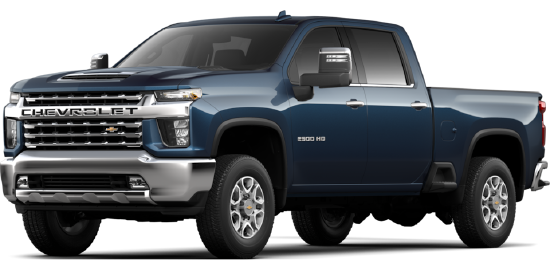
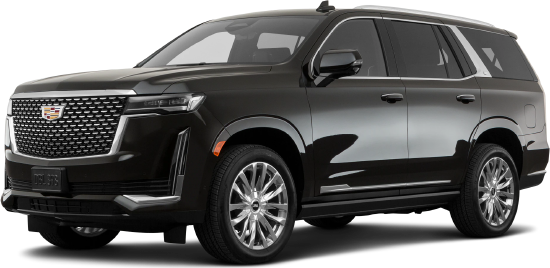
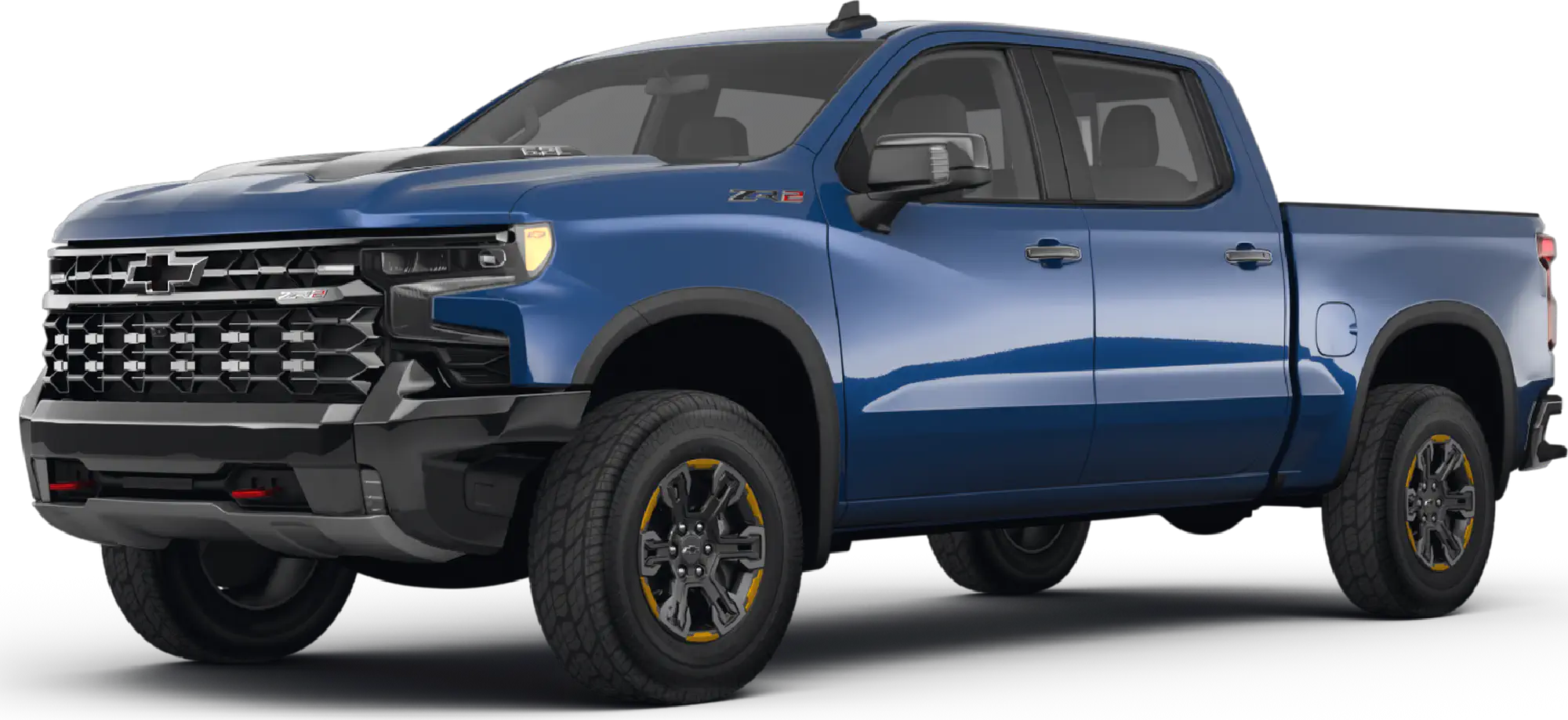
Found in vehicles such as the Chevrolet Silverado, GMC Sierra, Chevrolet Tahoe, and Cadillac Escalade, this sophisticated transmission offers a wide range of gear ratios intended to balance performance with everyday drivability.
Yet some owners have reported GM 10-speed transmission problems, including abrupt gear changes, low-speed hesitation, transmission shudder, and elevated operating temperatures. Although these symptoms do not affect every vehicle, understanding their possible causes can help owners recognize developing mechanical issues, avoid unnecessary repairs, and make informed decisions about long-term maintenance.
General Motors developed its 10-speed automatic transmission family to improve efficiency and performance compared with older six-speed and eight-speed designs. The 10L80 and 10L90 use closely spaced gear ratios, electronic controls, and sophisticated hydraulic systems to deliver responsive acceleration while keeping engine speeds relatively low during highway driving.
The 10L80 is commonly associated with light-duty GM trucks and SUVs, while the heavier-duty 10L90 appears in certain higher-performance applications. Transmission availability varies by model year, engine, drivetrain configuration, and vehicle platform, making it important to identify the exact transmission installed before researching potential problems.
| GM Vehicle | Common Transmission Application | Potential Owner Complaints |
|---|---|---|
| Chevrolet Silverado 1500 | 10L80 on selected configurations | Harsh shifts, hesitation, shudder |
| GMC Sierra 1500 | 10L80 on selected configurations | Rough downshifts, delayed engagement |
| Chevrolet Tahoe | 10-speed automatic on applicable model years | Low-speed shift harshness, vibration |
| Cadillac Escalade | 10-speed automatic on applicable model years | Abrupt shifts, shudder, overheating concerns |
| Chevrolet Suburban | 10-speed automatic on applicable model years | Shift hesitation, temperature concerns |
| GMC Yukon | 10-speed automatic on applicable model years | Rough shifts, delayed engagement |
Not every GM vehicle uses the same transmission calibration or hardware. Heavy-duty Silverado and Sierra models also use different 10-speed transmission applications, so owners should confirm their vehicle’s transmission identification before assuming that a particular complaint applies.
Among the more frequently discussed concerns involving GM’s 10-speed automatic is the 10L80 harsh shift, particularly during low-speed acceleration, deceleration, or transitions between lower gears. Drivers sometimes describe the sensation as a sudden bump from behind, an unusually firm downshift, or a momentary hesitation followed by an abrupt engagement.
Modern automatic transmissions rely on adaptive shift programming that adjusts clutch pressure and timing according to operating conditions. This technology can improve performance, but it also means shift quality depends on software calibration, hydraulic pressure, transmission fluid condition, and the operation of internal components.
Some owners notice firmer shifts shortly after starting their vehicles, especially during colder weather. Transmission fluid viscosity changes with temperature, and certain shift strategies may behave differently until the transmission reaches its normal operating range.
Occasional firm shifts during warm-up do not automatically indicate mechanical failure. Persistent banging, slipping, or unusually aggressive shifts after the transmission reaches operating temperature deserve professional evaluation.
Delayed engagement occurs when a driver selects Drive or Reverse and experiences an unusual pause before the vehicle begins moving. Potential causes include hydraulic pressure irregularities, valve body concerns, fluid problems, or internal clutch wear.
Rough downshifts may also become noticeable when approaching intersections or slowing to a stop. A technician should evaluate whether the behavior reflects normal calibration characteristics, an available software correction, or a developing mechanical problem.
Transmission shudder typically feels like a rapid vibration, repeated hesitation, or subtle rumbling during acceleration. Drivers may initially mistake the sensation for an engine misfire, uneven pavement, or a wheel-balance problem.
In an automatic transmission, shudder can occur when the torque converter clutch does not engage smoothly. Instead of transferring power consistently, the clutch may experience irregular friction characteristics that create vibrations throughout the drivetrain.
Potential contributing factors include degraded transmission fluid, torque converter clutch wear, hydraulic pressure fluctuations, and internal transmission problems. Engine performance issues, worn driveline components, and tire-related vibrations can produce similar symptoms, making accurate diagnosis essential.
Importantly, GM’s earlier eight-speed automatic transmissions have their own documented history of shudder complaints. Owners should avoid assuming that every shudder-related discussion involving a GM truck applies directly to the 10L80 or another 10-speed transmission.
A technician may evaluate torque converter clutch slip data, monitor transmission operating conditions, and perform a controlled road test to identify the source. Replacing expensive components without confirming the underlying problem can lead to unnecessary repair costs.
Transmission overheating is another concern worth understanding, particularly for Silverado, Sierra, Tahoe, and Escalade owners who regularly tow trailers or operate in demanding conditions. Automatic transmissions generate heat through hydraulic operation, internal friction, and torque converter activity, with cooling systems designed to manage temperatures during normal use.
Heavy towing, prolonged mountain climbs, high ambient temperatures, and repeated low-speed maneuvering can increase thermal stress. Cooling-system restrictions, fluid-level problems, and internal transmission faults may further contribute to excessive temperatures.
Warning signs can include dashboard temperature alerts, unusual shift behavior, reduced performance, or a noticeable burning odor. Drivers should treat an actual transmission overheating warning seriously rather than assuming that elevated temperatures are always normal during towing.
When an overheating warning appears, follow the vehicle owner’s manual instructions, reduce load when safe, and avoid continuing demanding operation. Persistent overheating requires inspection because prolonged exposure to excessive temperatures can accelerate fluid deterioration and internal component wear.
Repair expenses vary considerably depending on whether a problem involves transmission software, fluid condition, hydraulic controls, the torque converter, or major internal components. A relatively minor calibration issue may be inexpensive to correct, while substantial internal damage can require a rebuild or complete transmission replacement.
The following estimates represent broad U.S. repair-market ranges rather than guaranteed prices or GM-specific quotes. Labor rates, parts availability, vehicle configuration, and repair complexity can significantly affect the final bill.
| Service or Repair | Approximate Cost |
|---|---|
| Transmission diagnostic inspection | $150 to $350 |
| Transmission fluid and filter service | $250 to $600 |
| Transmission software update or relearn | $100 to $350 |
| Valve body or control-related repair | $800 to $2,500 |
| Torque converter replacement | $1,500 to $3,500 |
| Internal transmission rebuild | $3,500 to $6,500 |
| Complete transmission replacement | $5,000 to $9,000+ |
Software updates may sometimes be included in another repair or covered under an applicable warranty. Likewise, certain repairs may require additional programming, fluid, seals, or related components that increase total costs.
Before authorizing a major repair, owners should request a written diagnosis explaining the suspected failure, recommended corrective action, and whether the vehicle has applicable warranty coverage.
Although maintenance cannot eliminate every possible mechanical or electronic failure, it can help protect transmission performance and identify developing problems before they become more expensive.
Transmission fluid deserves particular attention because it supports lubrication, hydraulic operation, cooling, and clutch engagement. Owners should follow the maintenance schedule specified for their exact model year and operating conditions, including any severe-service requirements associated with towing or frequent heavy loading.
Using the correct GM-specified transmission fluid is essential. Different transmission families may require different formulations, and an incorrect fluid can negatively affect shift quality and internal component performance.
Towing practices also influence transmission longevity. Staying within the vehicle’s rated towing capacity, using the appropriate tow/haul settings, and monitoring transmission temperatures during demanding conditions can help reduce unnecessary stress.
Owners should also address unusual shifting behavior promptly rather than waiting for a warning light. A minor drivability concern may have a relatively straightforward solution, while continued operation with slipping or overheating can worsen existing damage.
A Technical Service Bulletin, commonly called a TSB, is a manufacturer-issued communication that provides dealership technicians with diagnostic information, repair procedures, or guidance for recognized vehicle conditions. Unlike a safety recall, a TSB does not automatically mean the manufacturer will perform the repair at no charge.
Owners researching GM 10-speed transmission concerns can visit the National Highway Traffic Safety Administration to search for manufacturer communications, consumer complaints, and recalls associated with their vehicle. Searching by model year, make, model, or VIN helps narrow the information to the appropriate vehicle, although a complaint or bulletin does not establish that every similar vehicle has the same defect.
Consumer complaints can reveal patterns worth investigating, but they are not independently verified diagnoses. A qualified technician should determine whether a reported condition matches the symptoms of the vehicle being inspected.
A transmission that occasionally delivers a firm shift is not necessarily approaching failure. Modern multi-speed automatics have complex operating strategies, and certain shift characteristics may be more noticeable under specific temperatures, throttle inputs, or driving conditions.
Concern becomes more justified when symptoms grow progressively worse, appear repeatedly after warm-up, or occur alongside slipping, warning messages, abnormal noises, or delayed engagement. These signs suggest that further diagnosis is appropriate rather than simply accepting the behavior as a normal transmission characteristic.
Used Silverado, Sierra, Tahoe, and Escalade shoppers should pay particular attention to transmission operation during a thorough test drive. Checking maintenance records, reviewing diagnostic history, and arranging an independent pre-purchase inspection can provide valuable insight into the vehicle’s condition.
For owners planning to keep their vehicles beyond the original warranty period, potential transmission repair expenses should also factor into long-term ownership budgeting.
Reported concerns include harsh shifting, delayed engagement, hesitation, shudder, and overheating under demanding conditions. Symptoms vary by transmission version, vehicle configuration, and model year, and not every complaint indicates an internal transmission failure.
Some shift firmness can occur under particular operating conditions, especially when the transmission is cold or adapting to driving behavior. Repeated banging, pronounced hesitation, slipping, or increasingly aggressive shifts should be evaluated by a qualified technician.
Sometimes. Depending on the confirmed cause, corrective action may involve software calibration, fluid service, hydraulic repairs, or torque converter replacement. Internal transmission damage may require more extensive work.
There is no guaranteed mileage lifespan for the 10L80 or other GM 10-speed transmissions. Longevity depends on maintenance, operating conditions, manufacturing variation, towing demands, and whether developing problems receive timely attention.
Some vehicle service contracts cover eligible internal transmission components, torque converters, and related mechanical failures. Coverage depends on the specific agreement, exclusions, eligibility requirements, and whether the failure occurred during the active coverage period. Routine maintenance and pre-existing conditions are commonly excluded.
Modern GM trucks and SUVs deliver impressive capability, but their sophisticated drivetrains can make major repairs expensive once the original manufacturer’s warranty expires. For owners concerned about long-term transmission reliability, reviewing available vehicle protection options before a problem develops can be a practical part of ownership planning.
Granger Warranty offers vehicle protection options with transparent pricing and an online purchasing process designed to help drivers compare coverage without unnecessary pressure. Owners can review available plans, eligibility requirements, and contract terms to determine whether extended protection fits their vehicle and anticipated ownership period.
Transmission coverage should always be confirmed in the specific contract, including applicable exclusions, deductibles, repair authorization requirements, and component eligibility.
Visit Granger Warranty to explore available extended warranty options for your GM vehicle and prepare for the potential costs of long-term ownership.
Stay up to date with the latest news from Granger Warranty