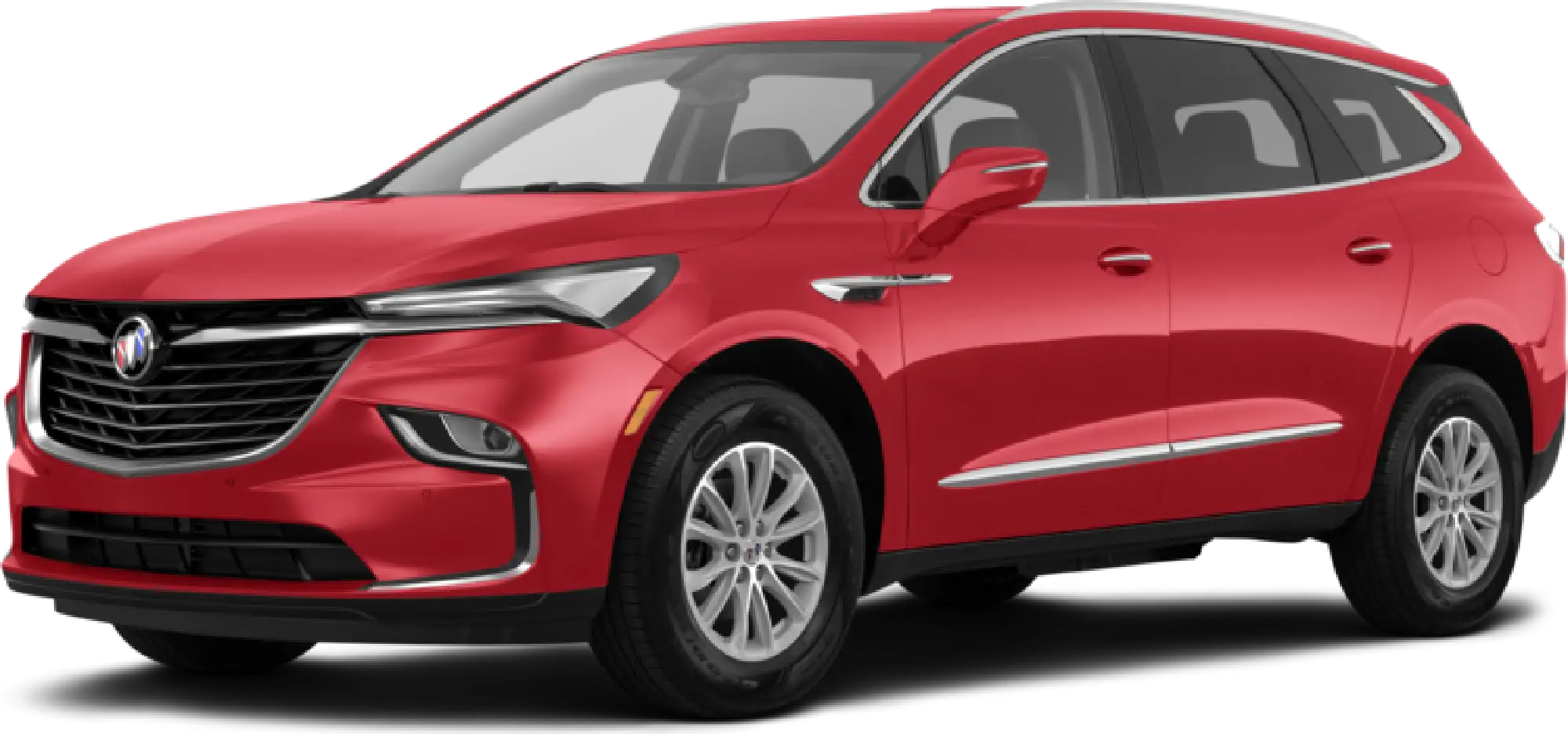
GM Recall List: Common Problems, Repair Costs & Warranty Coverage
This guide explains how the GM vehicle recall list works, what common problems trigger GM vehicle safety recalls, what repairs typically cost outside of recall coverage, and how warranty protection plays a role in long-term ownership.
Understanding the GM recall list is one of the most important steps in protecting your vehicle, your passengers, and your wallet.
Recalls are issued when a manufacturer or the National Highway Traffic Safety Administration (NHTSA) identifies a safety-related defect or noncompliance with federal safety standards.
GM vehicle safety recalls are issued when a defect affects safety, emissions compliance, or federal regulatory standards. These recalls can impact Chevrolet, GMC, Buick, and Cadillac models across multiple model years.
Common recall categories include:
When a vehicle appears on the GM recall list, repairs are performed at no cost to the owner at an authorized dealership. Parts and labor are covered because recalls address manufacturer responsibility—not wear and tear.
Owners can perform a GM vehicle recall check using their Vehicle Identification Number (VIN) through the NHTSA website or a GM dealership service department.
While not every GM model experiences the same issues, certain systems appear more frequently on a GM vehicle recall list.
Brake-related recalls may involve software calibration errors, faulty brake boosters, or hydraulic leaks. Reduced braking performance significantly increases accident risk.
Airbag inflator defects, sensor malfunctions, or seatbelt tensioner failures can result in improper deployment during a collision.
Modern GM vehicles rely heavily on electronic modules. Faulty wiring harnesses, battery short circuits, or control module software errors sometimes trigger GM vehicle safety recalls.
Fuel pump failures, evaporative emissions leaks, or fire-risk conditions can prompt immediate recall action.
Not every reported issue becomes a recall. Some problems are addressed through Technical Service Bulletins (TSBs) instead.
A TSB is a manufacturer-issued communication sent to dealership service departments. It explains known issues, updated repair procedures, or revised part numbers. TSBs do not require free repairs unless the vehicle remains under warranty. Owners can find TSB reports on the NHTSA website or by asking a dealership service advisor to check by VIN.
Repairs completed under an active recall are free. However, similar repairs outside of recall coverage—or after damage occurs—can be expensive.
Below are approximate out-of-pocket repair estimates if no recall or warranty applies:
| Repair Type | Estimated Cost Range |
|---|---|
| Brake Booster Replacement | $600 – $1,200 |
| Airbag Module Replacement | $1,000 – $2,000 |
| Fuel Pump Replacement | $800 – $1,500 |
| Transmission Control Module | $900 – $1,800 |
| Steering Rack Replacement | $1,200 – $2,500 |
Diagnostic charges alone typically range from $150 to $250. If a vehicle is no longer under factory warranty and the issue is not recall-related, owners are responsible for the full repair cost.
Checking the GM recall list is simple and should be done regularly, especially before purchasing a used vehicle.
Steps to complete a GM vehicle recall check:
Dealerships can also confirm open recalls and verify whether prior recall work was completed.
Recalls address known safety defects, but they do not cover routine maintenance or wear-related failures.
Proactive maintenance reduces the likelihood of major repair bills. Important preventative steps include:
Owners who delay repairs often face larger component failures later. For example, ignoring brake system warnings can lead to rotor, caliper, or ABS module damage beyond the original issue.
Being listed on a GM vehicle recall list does not automatically mean a vehicle is unreliable. In many cases, recalls demonstrate that manufacturers are actively correcting safety concerns.
However, multiple recalls in critical systems—such as braking, steering, or airbag deployment—may indicate higher long-term risk if the vehicle is kept beyond factory coverage.
Buyers considering a used GM model should always perform a GM vehicle recall check and review service history before purchasing.
Factory warranties differ from recalls. A recall repair is always free, regardless of vehicle age, as long as the recall remains active.
A factory warranty, by contrast, covers defects in materials or workmanship for a limited time and mileage period.
Typical GM factory coverage includes:
| Coverage Type | Typical Term |
|---|---|
| Bumper-to-Bumper | 3 years / 36,000 miles |
| Powertrain | 5 years / 60,000 miles |
| Corrosion | 3 years / 36,000 miles |
Once factory coverage expires, most electrical, transmission, suspension, and technology repairs become the owner’s responsibility.
For drivers planning long-term ownership, extended protection can reduce financial exposure to expensive post-warranty repairs. Factory-backed extended warranty options are available through authorized providers such as Granger Warranty.
Learn more about manufacturer-backed coverage options at Grangerwarranty.com.
The GM recall list is updated whenever a new safety-related defect is identified and officially announced. Updates can occur at any time throughout the year.
Yes. If your vehicle is included in an active recall, the dealership will complete the repair at no cost to you.
Ignoring a recall can increase safety risk and may lead to additional damage. In some cases, unresolved recall issues can also affect resale value.
No. A recall repair fixes a specific defect but does not extend bumper-to-bumper or powertrain coverage.
Yes. Performing a GM vehicle recall check by VIN before purchase is strongly recommended. It confirms whether open recalls exist and whether prior repairs were completed.
Recalls protect drivers from known safety defects, but they do not eliminate the risk of unexpected mechanical or electrical failures after warranty expiration. Modern GM vehicles include complex driver-assistance systems, turbocharged engines, and advanced infotainment technology—all of which can be costly to repair.
Granger Warranty is a trusted national provider of factory-backed extended warranties for GM, Ford, Toyota, and other major brands. Coverage helps protect against many high-cost repairs that fall outside GM vehicle safety recalls.
Explore available protection plans and pricing details at Grangerwarranty.com and make informed decisions about long-term vehicle ownership.
Stay up to date with the latest news from Granger Warranty