Honda Pilot vs Nissan Pathfinder Cost Of Ownership
Drivers focused on the Pilot vs Pathfinder cost of ownership should consider maintenance frequency, repair costs, fuel expenses, and long-term reliability trends. These factors shape total ownership cost far more than sticker price alone.
Comparing midsize SUVs goes beyond purchase price.
Long-term ownership costs often reveal the real difference between vehicles like the Honda Pilot and Nissan Pathfinder, especially as mileage climbs and repairs become more likely.
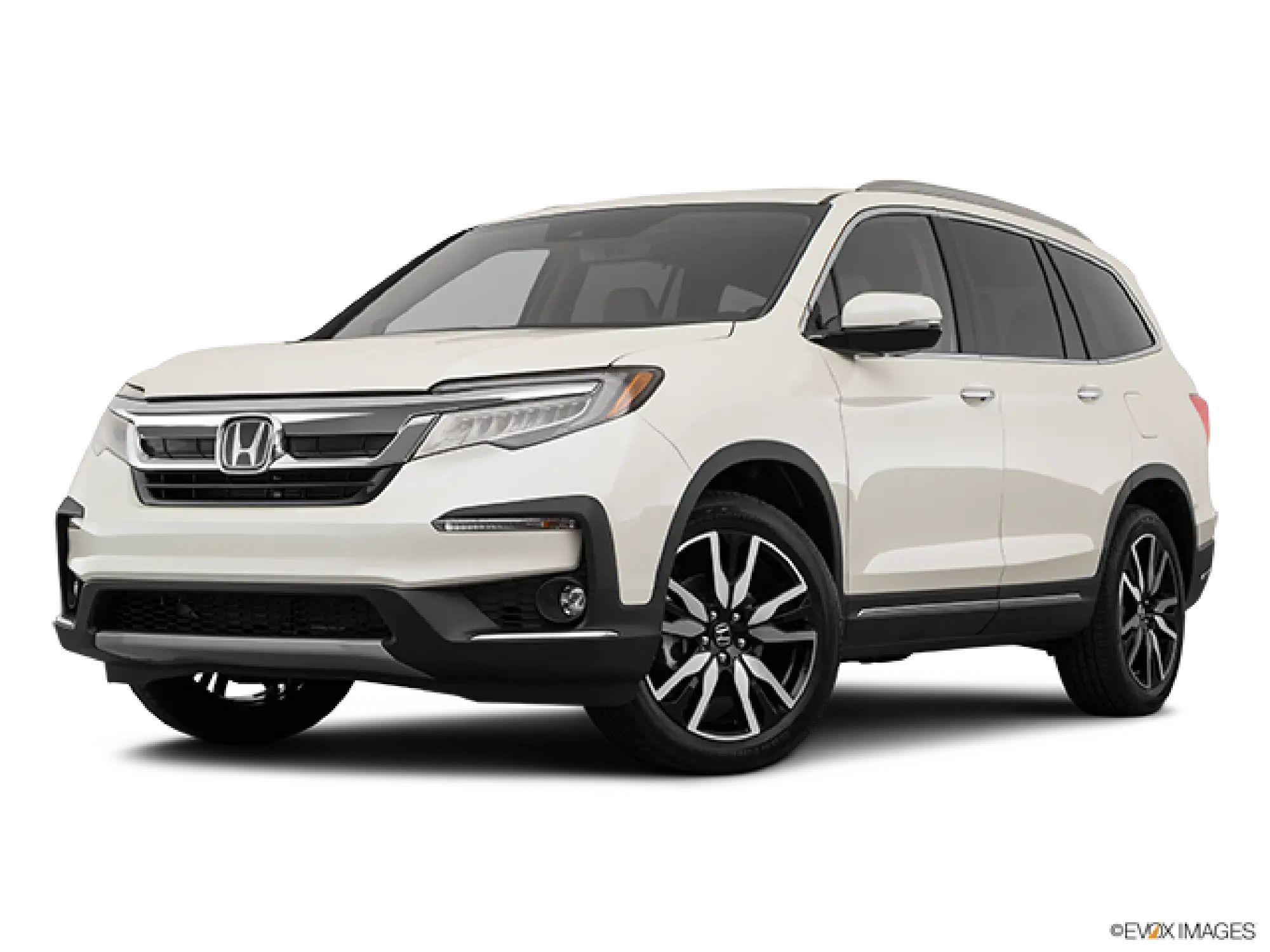
Both the Honda Pilot and Nissan Pathfinder are popular three-row SUVs designed for families. However, their long-term SUV cost profiles differ due to engineering choices, drivetrain designs, and historical reliability trends.
The Honda Pilot has a reputation for steady reliability and predictable maintenance. The Nissan Pathfinder, especially in older generations, has faced more variability depending on model year and transmission design.
Ownership cost includes:
Over time, even small differences in the repair frequency of SUV patterns can add up to thousands of dollars.
| Cost Category | Honda Pilot | Nissan Pathfinder |
|---|---|---|
| Annual Maintenance | Moderate | Moderate to High |
| Repair Frequency | Lower | Slightly Higher |
| Major Repair Risk | Lower | Moderate |
| Fuel Economy | Similar | Similar |
Understanding repair cost SUV trends helps explain why ownership costs diverge.
Honda Pilot common issues include:
Nissan Pathfinder common issues include:
While both vehicles can exceed 150,000 miles with proper maintenance, the Pathfinder has historically shown more variability in repair outcomes.
A Technical Service Bulletin, or TSB, is a manufacturer-issued document that identifies known issues and recommended repair procedures for specific vehicles. These are not recalls, but they provide valuable insight into recurring problems.
You can find TSB reports through the NHTSA website or manufacturer service portals. Reviewing TSBs can help owners anticipate potential repair costs in SUV scenarios before problems become severe.
Repair costs vary based on mileage, driving conditions, and maintenance history. However, average ranges can provide a realistic expectation.
| Repair Type | Honda Pilot Cost | Nissan Pathfinder Cost |
|---|---|---|
| Transmission Repair | $3,500 to $5,000 | $4,000 to $6,000 |
| Timing Belt Service | $800 to $1,500 | Not Required (chain) |
| Suspension Repairs | $500 to $1,200 | $600 to $1,400 |
| Cooling System Repairs | $400 to $1,000 | $600 to $1,500 |
Diagnosis alone can cost between $100 and $200, depending on the issue and shop labor rates.
Higher repair cost SUV exposure typically appears after 80,000 to 100,000 miles, when wear items and major components begin to fail.
Reducing the Pilot vs Pathfinder cost of ownership starts with consistent maintenance habits.
Key strategies include:
For the Honda Pilot, timing belt replacement is critical to avoid catastrophic engine damage.
For the Nissan Pathfinder, transmission fluid maintenance and cooling system care can significantly reduce long-term repair risk.
Preventative maintenance is often the difference between predictable ownership costs and unexpected major expenses.
Both SUVs are capable family vehicles, but cost expectations differ.
The Honda Pilot generally offers more predictable long-term SUV cost performance. Owners tend to experience fewer major repairs and more consistent reliability over time.
The Nissan Pathfinder can still be a solid choice, particularly in newer generations, but it may carry slightly higher repair costs and SUV risk depending on usage and maintenance.
For buyers planning to keep their SUV beyond 100,000 miles, these differences become more important.
As vehicles age, repair costs shift from occasional to inevitable. Complex systems such as transmissions, infotainment units, and advanced driver assistance features can lead to expensive repairs.
OEM-style repair protection extended coverage helps stabilize long-term SUV cost by turning unpredictable repair bills into more manageable ownership expenses.
Providers like Granger Warranty offer plans designed to follow OEM repair standards, including the use of genuine parts and consistent service procedures.
This type of coverage is especially valuable once factory warranties expire and repair exposure increases.
The Honda Pilot typically has a lower long-term SUV cost due to more consistent reliability and fewer high-cost repairs. The Pathfinder may have slightly higher variability depending on model year.
Average repair costs for SUVs range from a few hundred dollars for minor fixes to several thousand dollars for major components like transmissions. The Pathfinder trends slightly higher in major repair scenarios.
Maintenance costs are similar overall, though the Pilot requires timing belt service while the Pathfinder uses a timing chain. This can balance out over time.
Yes, both vehicles can reach high mileage with proper maintenance. The Pilot has a stronger track record for consistent durability across multiple generations.
Following maintenance schedules, addressing issues early, and considering extended warranty coverage are the most effective ways to control long-term SUV cost.
Long-term ownership costs are shaped by reliability, maintenance habits, and repair exposure. While both SUVs offer strong value, the Honda Pilot generally provides more predictable expenses over time.
Drivers who plan to keep their vehicle long term should consider how repair cost SUV risks increase after factory coverage ends.
Exploring options like Granger Warranty can help create a more stable ownership experience with factory-aligned repair standards and nationwide coverage.
Making informed decisions early helps reduce surprises later and keeps your total cost of ownership under control.
Stay up to date with the latest news from Granger Warranty