Honda Ridgeline vs. Toyota Tacoma Repair Frequency
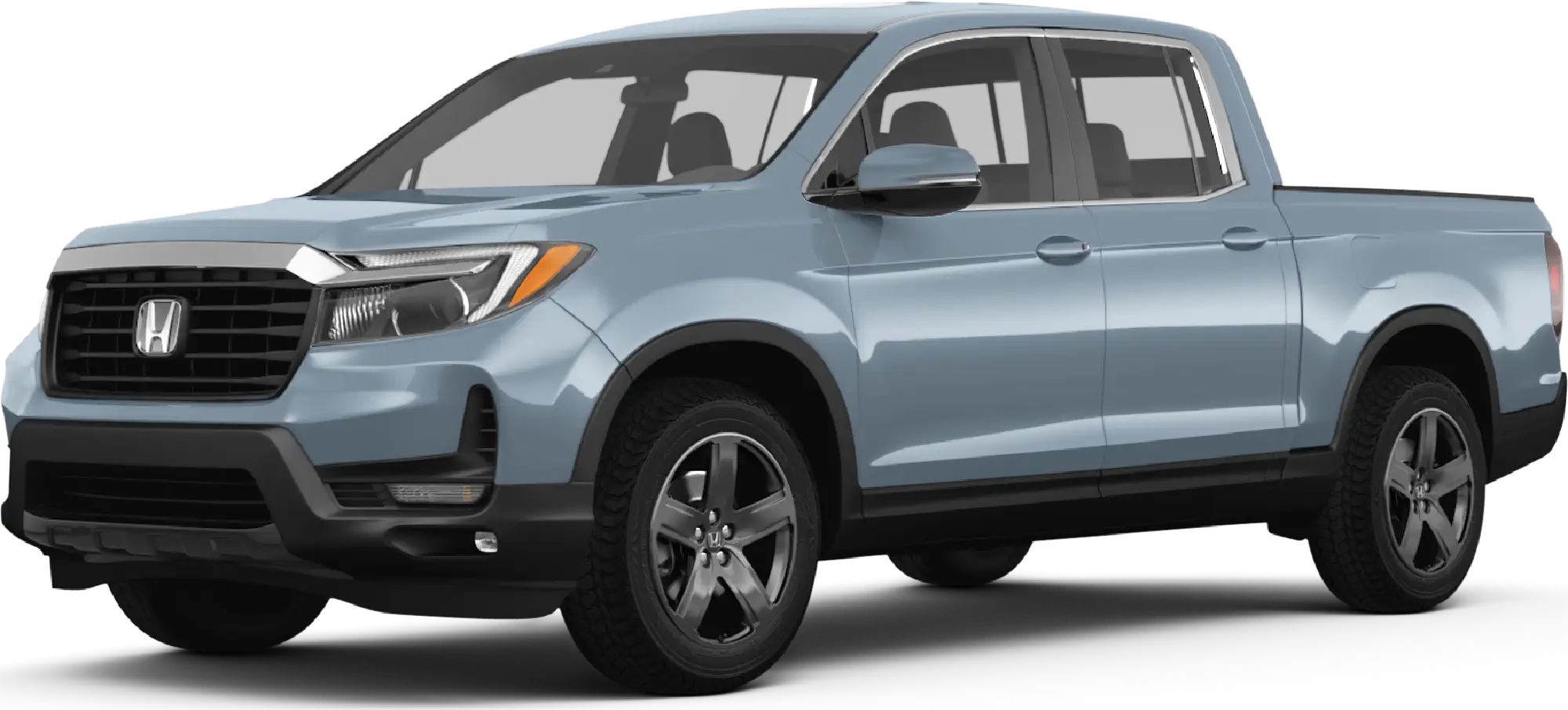
The Honda Ridgeline uses a unibody vs. body-on-frame truck design compared to the Toyota Tacoma, and that difference directly impacts maintenance patterns, repair frequency, and long-term ownership experience.
Ridgeline vs. Tacoma reliability is one of the most common comparisons for truck buyers who want long-term dependability without constant shop visits.
While both trucks are known for durability, their design differences play a major role in how often repairs occur over time.
When comparing Ridgeline vs. Tacoma reliability, both models perform well above average in long-term ownership studies. However, they achieve that reliability in very different ways.
The Ridgeline shares architecture with Honda SUVs, which often results in fewer drivetrain-related repairs and a smoother ownership experience. The Tacoma, built with a traditional body-on-frame platform, is engineered for durability under stress but may experience more frequent maintenance events in certain conditions.
In a maintenance comparison, Ridgeline owners typically report fewer unexpected repairs, while Tacoma owners benefit from rugged longevity, especially in off-road or heavy-duty use.
The unibody vs body on frame truck debate is central to understanding repair frequency.
Unibody construction, like the Ridgeline, integrates the frame and body into one structure. This reduces weight, improves ride quality, and often lowers wear on suspension components. As a result, repair frequency is generally lower for daily driving.
Body-on-frame construction, used in the Tacoma, separates the body from the frame. This design is stronger for towing and off-road use but introduces more components that can wear over time, such as bushings, mounts, and suspension hardware.
This structural difference explains why Tacoma owners may experience more frequent service visits, even though the truck itself is extremely durable.
Both trucks are reliable, but their common repair patterns differ.
| Category | Honda Ridgeline | Toyota Tacoma |
|---|---|---|
| Transmission Issues | Rare but possible in high-mileage units | Occasional shifting concerns in older models |
| Suspension Wear | Lower frequency due to unibody design | More frequent due to off-road capability |
| Engine Reliability | Strong V6 reliability | Strong V6 reliability with long lifespan |
| Drivetrain Components | Fewer heavy-duty components to maintain | More components are exposed to wear |
Ridgeline vs Tacoma reliability tends to favor the Ridgeline in terms of fewer shop visits, while the Tacoma excels in durability under harsh conditions.
Repair costs vary based on usage, mileage, and driving conditions. Even reliable trucks can generate significant expenses after 100,000 miles.
| Repair Type | Estimated Cost |
|---|---|
| Suspension Repair | $500 to $1,500 |
| Transmission Repair | $2,500 to $4,500 |
| Differential Service | $300 to $800 |
| Engine Repairs | $1,500 to $5,000+ |
Tacoma owners may see more frequent suspension and drivetrain service, while Ridgeline owners may encounter fewer but similarly expensive repairs when they do occur.
A TSB, or Technical Service Bulletin, is issued by manufacturers to address known issues and recommended fixes. These are not recalls but provide guidance to technicians. You can find TSB reports through the NHTSA website or manufacturer service portals, and they are useful for identifying recurring problems before they become major repairs.
Reducing repair frequency starts with consistent maintenance habits.
Regular fluid changes are critical, especially for transmissions and differentials. Tacoma owners should pay close attention to drivetrain components if the truck is used off-road or for towing.
Suspension inspections help catch wear early. This is particularly important for body-on-frame trucks, where more components are exposed to stress.
Following factory maintenance schedules ensures both trucks maintain their long-term reliability. Skipping service intervals is one of the fastest ways to increase repair frequency regardless of platform.
For most drivers, neither truck presents a major reliability concern. Both models are capable of reaching high mileage with proper care.
The difference comes down to usage. If you prioritize comfort and lower maintenance frequency, the Ridgeline often has the advantage. If you need durability for tough conditions, the Tacoma remains a strong choice despite slightly higher service frequency.
Understanding how you plan to use the truck is more important than the reliability rating itself.
Ridgeline vs Tacoma reliability generally favors the Ridgeline for fewer repair visits. Its unibody design reduces wear on key components during daily driving.
Yes, the Tacoma is typically more durable in off-road and heavy-duty scenarios. However, that durability can come with more frequent maintenance needs.
Absolutely. Unibody trucks tend to have fewer components exposed to stress, while body-on-frame trucks have more serviceable parts that may require attention over time.
The Tacoma may have slightly higher maintenance frequency, especially if used aggressively. The Ridgeline may have fewer repairs but similar costs when major components fail.
Yes, both trucks are known for longevity. Proper maintenance is the key factor in reaching high mileage without major issues.
Repair frequency is only one part of the ownership equation. As vehicles age, even reliable models can produce unexpected repair costs that quickly add up.
Factory-backed extended coverage helps stabilize those costs by ensuring repairs follow OEM standards and use genuine parts. This becomes especially valuable as trucks pass the 60,000 to 100,000-mile range, where repair risk increases.
Granger Warranty provides transparent, factory-backed coverage options designed to protect long-term vehicle ownership. Plans are available nationwide and can help reduce the financial impact of major repairs.
Explore coverage options and pricing directly at Granger Warranty to see how protection can fit into your ownership strategy.
Stay up to date with the latest news from Granger Warranty