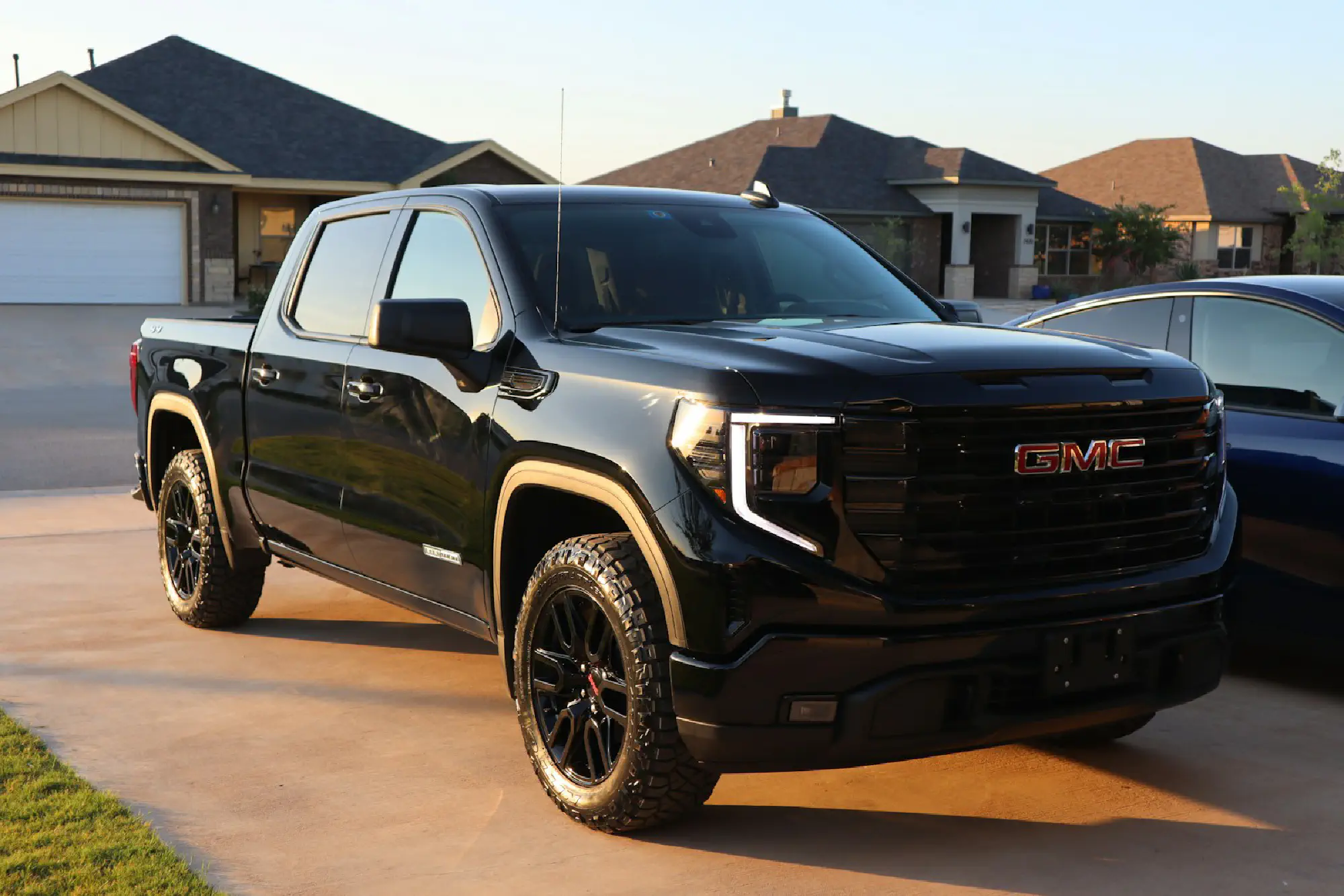
How to Check If Your GM Vehicle Still Has Factory Warranty
Owning a Chevrolet, GMC, Buick, or Cadillac comes with the benefit of manufacturer warranty protection during the early years of ownership.
Performing a GM warranty check is one of the easiest ways to determine whether expensive repairs may still be covered or if it’s time to start planning for future repair costs.
Many owners purchase used GM vehicles without knowing how much warranty remains. Others simply lose track of their coverage as their vehicle ages. Fortunately, General Motors makes it relatively straightforward to verify warranty status when you have the correct vehicle information.
A GM warranty check starts with your Vehicle Identification Number (VIN). Every GM vehicle has a unique 17-character VIN that allows dealerships to look up warranty information tied specifically to that vehicle.
You can check your warranty by:
Most dealerships can quickly determine:
| Coverage Information | What You’ll Learn |
|---|---|
| Bumper-to-Bumper Warranty | Remaining time and mileage |
| Powertrain Warranty | Engine, transmission, and drivetrain coverage |
| Corrosion Coverage | Rust-through protection eligibility |
| Recall Status | Open safety recalls requiring repairs |
| Previous Warranty Repairs | Covered repairs completed during ownership |
Having your VIN available makes the process much faster.
General Motors offers several warranty types that protect different vehicle components.
| Warranty Type | Typical Coverage* |
|---|---|
| Bumper-to-Bumper Limited Warranty | 3 years / 36,000 miles |
| Powertrain Limited Warranty | 5 years / 60,000 miles |
| Corrosion Protection | Up to 6 years / 100,000 miles (varies by model) |
| Emissions Warranty | Federal and state requirements apply |
*Coverage varies by model year and vehicle. Always verify your specific VIN.
The bumper-to-bumper warranty generally covers defects in materials and workmanship but excludes wear items like brake pads, tires, windshield wipers, and routine maintenance.
Powertrain coverage typically includes major components such as the engine, transmission, transfer case, and drive axles.
Checking your warranty status can prevent unexpected repair bills.
Once factory coverage expires, repair costs can increase significantly depending on the component involved.
| Common Repair | Approximate Cost |
|---|---|
| Transmission replacement | $4,500 to $8,000+ |
| Engine repair | $3,000 to $9,000+ |
| Infotainment screen replacement | $1,000 to $2,500 |
| Air conditioning compressor | $900 to $1,800 |
| Electronic control module | $800 to $2,000 |
Actual repair costs vary by vehicle, labor rates, and geographic location.
Knowing whether these components remain under warranty helps owners make informed maintenance and ownership decisions.
Factory warranties protect against manufacturing defects, but routine maintenance remains the owner’s responsibility.
Good maintenance habits can extend component life and reduce the likelihood of expensive repairs.
Helpful maintenance practices include:
Preventive maintenance often costs far less than replacing major mechanical components.
A Technical Service Bulletin (TSB) is a document issued by a manufacturer that provides dealerships with diagnostic procedures, updated repair methods, or known fixes for recurring vehicle issues. Unlike safety recalls, TSBs do not automatically require free repairs unless the vehicle remains under warranty or a specific service program applies.
Owners can search for TSB information through the National Highway Traffic Safety Administration (NHTSA) website at https://www.nhtsa.gov, ask their GM dealership to check for applicable bulletins using the VIN, or use reputable automotive repair databases that catalog manufacturer service bulletins.
Warranty expiration does not necessarily mean problems are imminent.
Many GM vehicles provide years of dependable service beyond their factory coverage. Still, modern vehicles contain sophisticated electronics, advanced driver assistance systems, turbocharged engines, and complex transmissions that can become costly to repair as mileage increases.
Owners approaching the end of their warranty often evaluate their future repair risk based on:
Understanding these factors helps determine whether additional protection makes financial sense.
Many drivers wait until after their warranty expires before thinking about long-term protection. By then, eligibility for certain extended coverage options may become more limited.
If your GM warranty check shows factory coverage is nearing expiration, it can be a good time to review available vehicle protection plans while more options may still be available.
Granger Warranty helps customers nationwide compare extended vehicle protection plans for Chevrolet, GMC, Buick, Cadillac, Ford, Toyota, RAM, Jeep, Dodge, Chrysler, and other major manufacturers. Coverage options and pricing can be reviewed online without high-pressure sales tactics.
Learn more by visiting:
Provide your 17-digit VIN to a GM dealership, log into your GM owner account, or contact GM Customer Assistance. A dealership can quickly verify your remaining factory warranty coverage.
Most GM factory warranties stay with the vehicle rather than the original owner. Remaining coverage is generally transferable during the original warranty period, although certain specialty coverages may have different rules.
Yes. A dealership VIN lookup will typically identify open recalls along with your remaining warranty coverage. You can also search recalls through the NHTSA website using your VIN.
Once factory coverage expires, repair costs become the owner’s responsibility unless another qualifying protection plan applies. Performing a warranty check early allows owners to understand when factory protection ends.
In most cases, yes. GM dealerships generally provide warranty status information at no charge when you supply your VIN.
Completing a GM warranty check gives you valuable insight into your vehicle’s remaining protection and helps you prepare for future ownership costs. Knowing exactly when factory coverage ends allows you to budget for repairs, stay ahead of maintenance, and evaluate long-term protection before unexpected expenses arise.
If your GM warranty is nearing expiration, Granger Warranty offers an easy way to compare vehicle protection plans online for many of today’s most popular brands. Visit Granger Warranty to explore available coverage options and learn more about protecting your vehicle after its original warranty ends.
Stay up to date with the latest news from Granger Warranty