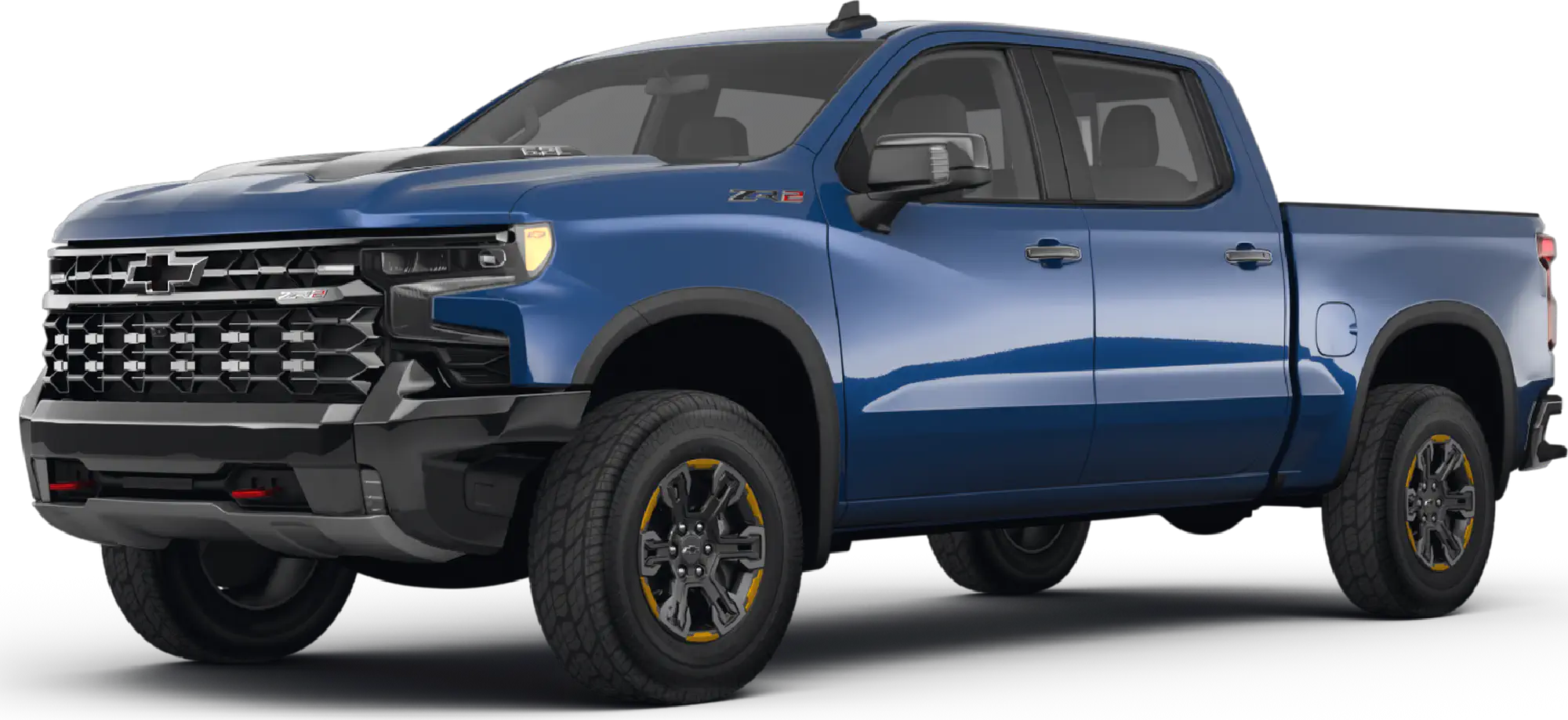
Low Oil Pressure Warning on GM V8 Trucks: Failed Sensor vs. Real Lifter or Oil Pump Trouble
Few dashboard warnings create more anxiety for Chevrolet and GMC truck owners than a sudden drop in oil pressure.
Whether it appears while idling at a stoplight, accelerating onto the highway, or starting the engine on a cold morning, a Silverado low oil pressure warning raises an important question: Is the engine genuinely losing oil pressure, or is a faulty sensor sending inaccurate information to the dashboard?
For owners of Chevrolet Silverado, GMC Sierra, Tahoe, Suburban, and Yukon models equipped with GM V8 engines, understanding the difference can prevent unnecessary repairs and potentially avoid catastrophic engine damage. A malfunctioning Chevy oil pressure sensor might require a relatively inexpensive repair, while an actual lubrication problem involving the oil pump, lifters, or internal engine components can result in thousands of dollars in repair expenses.
Engine oil performs several critical functions beyond simply lubricating moving parts. It reduces friction, carries heat away from internal components, helps control hydraulic systems, and maintains a protective film between surfaces operating under tremendous mechanical loads.
GM V8 engines, including popular 5.3-liter and 6.2-liter configurations, depend on properly regulated oil pressure to support components such as crankshaft bearings, camshafts, hydraulic lifters, and variable valve timing systems.
When oil pressure falls below the engine’s operating requirements, these components may experience accelerated wear. Extended operation with inadequate lubrication can eventually cause bearing damage, valvetrain failure, or complete engine seizure.
A low oil pressure warning does not automatically indicate an engine failure. Electrical faults, sensor problems, and inaccurate readings can trigger similar dashboard messages, making proper diagnosis essential before replacing expensive components.
If the warning appears while driving, the safest response is to pull over as soon as conditions permit and shut off the engine. Continuing to operate a truck with genuinely low oil pressure can turn a manageable repair into an engine replacement.
One of the most important distinctions during diagnosis is whether the dashboard is reporting inaccurate information or the engine is genuinely experiencing insufficient lubrication.
GM trucks use an oil pressure sensor to monitor pressure within the lubrication system. That information is communicated to the vehicle’s electronic controls and displayed through the instrument cluster.
A failing sensor may generate inconsistent readings, sudden gauge fluctuations, or warning messages even when the engine maintains adequate oil pressure.
Actual pressure loss, by comparison, occurs when the lubrication system cannot maintain the pressure necessary to protect internal engine components.
| Warning Sign | Possible Sensor Problem | Possible Mechanical Problem |
|---|---|---|
| Oil Pressure Gauge Suddenly Drops | Common possibility | Possible |
| Gauge Fluctuates Erratically | Common possibility | Possible |
| Engine Knocking or Ticking | Usually unrelated | Potential warning sign |
| Low Pressure at Hot Idle | Possible | Possible |
| Warning With Normal Engine Operation | Possible | Cannot rule out |
| Oil Pressure Remains Low With Mechanical Gauge | Unlikely to be sensor-only | Strong evidence of actual pressure loss |
These symptoms overlap considerably, which explains why replacing the sensor without confirming actual oil pressure can be an expensive mistake.
A technician can install a mechanical oil pressure gauge or use an appropriate calibrated pressure-testing setup to determine whether the engine is maintaining pressure within GM’s specifications for that particular engine and operating condition.
Several mechanical and electrical issues can produce similar dashboard warnings, particularly as GM trucks accumulate mileage.
Oil pressure sensors operate in an environment exposed to temperature changes, engine vibration, and pressurized oil. Over time, internal electrical components can deteriorate, producing inaccurate readings.
Depending on the engine configuration, the sensor may be located near the rear of the engine, sometimes beneath or behind intake components. Access varies by model year and engine design.
Some GM applications also incorporate a small filter screen beneath the sensor. When equipped, contamination or restriction in this screen can interfere with pressure readings or oil flow to the sensing circuit.
Replacing the sensor or servicing the screen may resolve the problem when testing confirms that actual engine oil pressure remains within specification.
GM V8 engines use mechanically driven oil pumps to circulate lubricant throughout the engine. Depending on the engine generation, the pump may incorporate pressure regulation or variable-displacement features.
Internal wear, a malfunctioning pressure relief valve, or problems with the pump’s control mechanism can reduce oil pressure.
An oil pump problem may become particularly noticeable when the engine reaches operating temperature because warm oil flows more easily and pressure can decrease as internal clearances become more influential.
A defective pump is not the only possible explanation for low pressure. Excessive bearing clearance, restricted oil pickup passages, insufficient oil volume, and other internal conditions can produce similar symptoms.
Certain GM V8 engines use Active Fuel Management (AFM) or Dynamic Fuel Management (DFM) technology to deactivate cylinders under selected driving conditions.
These systems depend on specialized lifters and controlled oil flow to manage cylinder activation and deactivation.
Lifter failures can produce ticking noises, misfires, rough operation, or internal valvetrain damage. Problems involving oil-control components or lubrication can also affect lifter operation.
Importantly, a failed lifter does not automatically cause low engine oil pressure. A truck can develop lifter problems while maintaining normal overall pressure, and low pressure can occur without any lifter failure.
Because these systems rely on engine oil for proper operation, technicians should evaluate lubrication concerns alongside relevant valvetrain symptoms rather than assuming one failure proves the other.
Sometimes the explanation is more straightforward. Low engine oil levels caused by leaks or consumption can prevent the lubrication system from maintaining adequate pressure, particularly during turns, braking, or acceleration.
Using an incorrect oil viscosity can also affect lubrication performance. GM engines have specific oil requirements that vary by generation, and owners should follow the recommendations in their owner’s manual.
Excessive internal bearing clearance or contamination in the lubrication system can create more serious pressure problems that require extensive mechanical inspection.
Repair expenses depend heavily on whether the problem involves a sensor, an external lubrication component, or internal engine damage.
A properly diagnosed sensor failure is generally much less expensive than replacing an oil pump or repairing damaged lifters.
The following estimates represent broad U.S. repair ranges, including typical parts and labor. Actual prices vary by vehicle, engine, location, and repair facility.
| Repair or Diagnostic Service | Approximate Cost |
|---|---|
| Oil Pressure Diagnostic Testing | $100–$250 |
| Oil Pressure Sensor Replacement | $150–$450 |
| Sensor Filter Screen Service | $100–$300 |
| Engine Oil and Filter Service | $70–$160 |
| Oil Pump Replacement | $900–$2,200 |
| AFM/DFM Lifter Repair | $2,000–$5,500+ |
| Engine Replacement | $6,000–$12,000+ |
These figures are estimates rather than guaranteed quotes. Some engine configurations require substantial disassembly, and additional damage can increase repair costs significantly.
A technician should begin by verifying the oil level, examining the oil condition, retrieving diagnostic trouble codes, and checking actual pressure against manufacturer specifications.
If pressure is normal, attention can shift toward the sensor, wiring, connectors, or instrument reporting system.
If pressure is genuinely low, further investigation may involve the oil pump, pickup tube, pressure regulation components, internal oil passages, or bearing clearances.
Replacing multiple components without confirming the underlying cause can increase costs without resolving the original problem.
General Motors periodically publishes Technical Service Bulletins, commonly called TSBs, to help dealership technicians identify and repair known vehicle concerns.
A TSB is a manufacturer-issued service document that may describe symptoms, diagnostic procedures, updated parts, or recommended repair methods. Unlike a safety recall, a TSB does not automatically mean the manufacturer will provide a free repair.
Owners can research applicable service bulletins, recalls, manufacturer communications, and complaints through the National Highway Traffic Safety Administration.
Searching by model year, make, model, or vehicle identification number can help identify information relevant to a particular truck. Because similar symptoms may have different causes across GM engine generations, owners should verify applicability rather than assuming a bulletin covers every Silverado or Sierra.
Routine maintenance cannot eliminate every sensor, oil pump, or lifter failure, but it can reduce the likelihood of preventable lubrication problems.
Consistent oil changes are particularly important for engines using hydraulic lifters, variable valve timing, and cylinder deactivation systems.
Following GM’s specified oil viscosity and performance standard helps ensure the lubricant is compatible with the engine’s operating requirements.
Owners should also monitor oil levels between scheduled services, especially on higher-mileage trucks or engines with a history of oil consumption.
Oil change intervals should reflect the vehicle’s oil life monitoring system and applicable maintenance schedule. Frequent towing, extended idling, severe temperatures, and demanding operating conditions may justify closer monitoring.
Using a quality oil filter that meets the vehicle manufacturer’s requirements is equally important because filtration performance and proper oil flow both contribute to lubrication system health.
Unusual engine ticking, persistent gauge fluctuations, visible oil leaks, or repeated low-pressure messages deserve prompt attention.
Addressing these symptoms early can help prevent additional damage, particularly when an oil pressure problem is caused by a developing mechanical failure.
A low oil pressure warning should always be treated as potentially serious until actual pressure has been verified.
A malfunctioning sensor may be relatively inexpensive to replace, but assuming the sensor is responsible without testing creates unnecessary risk.
If the engine develops knocking, pronounced ticking, overheating, or noticeable performance problems alongside the warning, the possibility of mechanical damage becomes more concerning.
Owners should avoid restarting or driving the vehicle until the cause has been evaluated. When actual pressure is low or the engine is making abnormal mechanical noises, towing is generally the safer option.
Even when the engine sounds normal, adequate oil pressure cannot be confirmed by sound alone.
For owners of higher-mileage Silverado, Sierra, Tahoe, and Yukon models, a professional diagnosis offers the clearest path toward determining whether the problem involves a minor electrical component or a more substantial lubrication-system repair.
Driving with an active low oil pressure warning is not recommended because the engine may be operating without sufficient lubrication.
Pull over safely, shut off the engine, and arrange professional diagnosis. If actual pressure is inadequate, continued operation can cause severe internal damage.
A failing sensor may cause erratic gauge movement, implausible readings, or intermittent warnings without obvious engine performance problems.
These symptoms do not prove sensor failure. Testing actual pressure with an appropriate gauge is the most reliable way to distinguish inaccurate readings from genuine lubrication problems.
Lifter failures and lubrication problems can be related, particularly in engines equipped with AFM or DFM systems.
A failed lifter alone does not necessarily reduce overall engine oil pressure. Technicians should inspect the valvetrain and lubrication system independently when symptoms suggest both concerns.
A typical oil pressure sensor replacement may cost approximately $150 to $450, depending on the engine configuration and labor required.
Some applications have restricted access that increases labor time. Additional electrical repairs or related component replacement may increase the total.
Yes. An oil pump or pressure regulation component can malfunction without producing an obvious mechanical noise.
Low pressure may initially appear only under certain temperature or operating conditions. Proper pressure testing is necessary to identify the problem before internal engine damage develops.
GM V8 trucks are designed to handle demanding workloads, but modern lubrication systems, cylinder deactivation technology, and complex valvetrain components can make major engine repairs expensive once original warranty coverage expires.
A relatively simple Chevy oil pressure sensor repair may be manageable for many owners, while an oil pump replacement, extensive lifter repair, or engine failure can create a much larger financial burden.
For drivers planning to keep their Silverado, Sierra, Tahoe, or Yukon well beyond its original warranty period, evaluating extended vehicle protection before a mechanical problem develops can be a practical part of long-term ownership planning.
Granger Warranty offers vehicle service contract options with straightforward pricing and coverage information designed to help owners evaluate protection against qualifying unexpected repairs.
Coverage depends on the selected plan, vehicle eligibility, contract terms, exclusions, and applicable authorization requirements. Pre-existing problems and repairs that fall outside the contract’s covered components are generally not eligible, making it important to review protection options before warning signs appear.
Understanding the difference between a faulty sensor and a genuine lubrication failure can help owners make better repair decisions today. Reviewing available coverage through Granger Warranty can also help them prepare for the potential expense of tomorrow’s engine repairs.
Stay up to date with the latest news from Granger Warranty