Mazda vs Honda Maintenance Costs: Which Is Cheaper Long-Term?
When shopping for a reliable vehicle, maintenance expenses often become just as important as purchase price, fuel economy, and resale value.
Mazda and Honda consistently rank among the most dependable mainstream brands, but many buyers still wonder about the true Mazda vs Honda maintenance cost comparison over the long term.
Both automakers have built strong reputations for reliability, affordable ownership, and lower-than-average repair expenses. Yet there are meaningful differences in maintenance schedules, common repairs, and long-term ownership costs that can impact your budget after the factory warranty expires.
Looking strictly at maintenance and repair expenses, both brands tend to cost less to own than many European manufacturers and even some domestic competitors.
| Category | Mazda | Honda |
|---|---|---|
| Average Annual Maintenance Cost | $450-$600 | $400-$650 |
| Oil Change Cost | $60-$120 | $60-$120 |
| Brake Pad Replacement | $250-$600 | $250-$650 |
| Battery Replacement | $150-$400 | $150-$400 |
| Transmission Service | $200-$500 | $200-$500 |
| Major Repair Risk | Low to Moderate | Low |
| Reliability Reputation | Excellent | Excellent |
In many real-world ownership studies, Honda often holds a slight advantage in total repair frequency. Mazda frequently offsets that difference by having fewer expensive powertrain issues during the first 100,000 miles.
As a result, the overall Mazda vs Honda maintenance cost difference is often relatively small for the average owner.
Routine maintenance represents the majority of ownership expenses for both brands.
Owners should expect to budget for:
Honda models often have slightly longer maintenance intervals for certain services depending on engine configuration. Mazda vehicles, particularly those equipped with Skyactiv engines, are designed to maximize efficiency while maintaining relatively simple maintenance requirements.
Neither manufacturer is known for unusually expensive routine service schedules.
Long-term maintenance costs are only part of the ownership equation. Repair frequency and repair severity can significantly affect overall expenses.
Common Mazda repairs may include:
Common Honda repairs may include:
Most of these repairs are considered relatively affordable compared to major engine or transmission failures seen in some competing brands.
Understanding repair exposure helps provide a clearer comparison between the two manufacturers.
| Repair Item | Mazda Cost Range | Honda Cost Range |
|---|---|---|
| Alternator Replacement | $500-$1,000 | $500-$1,100 |
| Starter Replacement | $450-$900 | $450-$950 |
| AC Compressor Replacement | $900-$2,000 | $1,000-$2,200 |
| Wheel Bearing Replacement | $350-$900 | $350-$900 |
| Suspension Repairs | $300-$1,500 | $300-$1,500 |
| Transmission Replacement | $4,000-$8,000+ | $4,000-$8,500+ |
Major repairs remain uncommon for both brands, but when they occur, costs can quickly reach several thousand dollars.
Modern vehicles contain advanced driver-assistance systems, sensors, cameras, electronic modules, and increasingly sophisticated powertrains. These technologies improve safety and efficiency but can substantially increase repair expenses.
Several variables can affect whether a Mazda or Honda becomes cheaper to maintain over the life of the vehicle.
Key factors include:
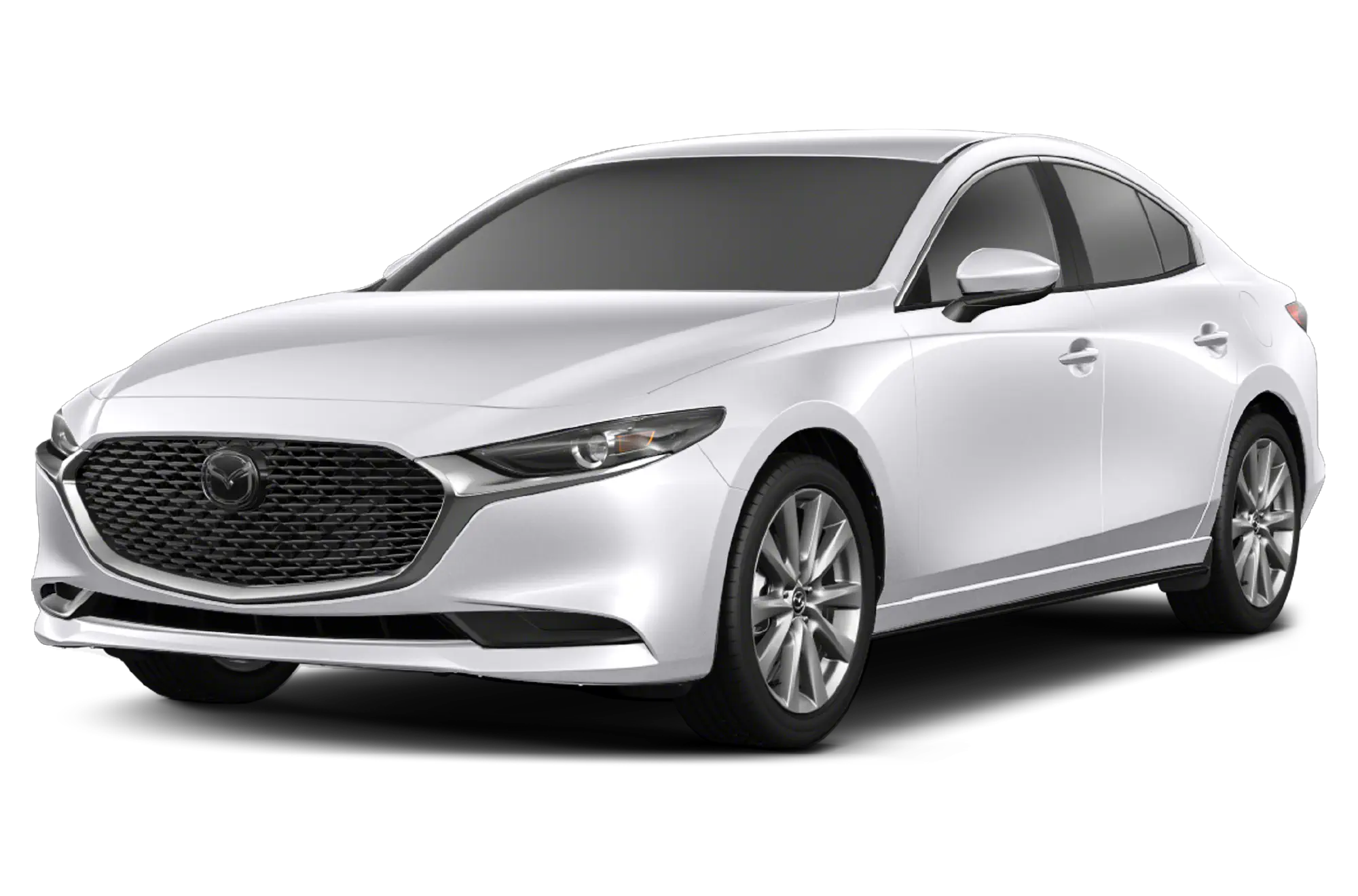
For example, a Honda Civic and Mazda3 typically produce very similar ownership costs. Larger vehicles such as the Honda Pilot and Mazda CX-90 may have higher maintenance and repair expenses simply because of their increased complexity and component costs.
Owners who follow factory maintenance schedules generally experience significantly lower repair costs than those who delay recommended services.
Technical Service Bulletins (TSBs) are manufacturer-issued documents that help dealerships diagnose and repair known issues. A TSB is not the same as a safety recall. Instead, it provides guidance on recurring problems, updated repair procedures, software updates, or redesigned parts.
Checking for TSBs can help owners identify known concerns before they become major repairs. TSB information can often be found through dealership service departments, the National Highway Traffic Safety Administration (NHTSA) website, manufacturer service resources, and reputable automotive databases.
Reviewing TSBs periodically can provide valuable insight into potential maintenance concerns for both Mazda and Honda vehicles.
Reducing ownership costs starts with preventive maintenance.
Helpful practices include:
Preventive maintenance typically costs far less than major repairs caused by neglect.
Owners who maintain detailed service records may also benefit from improved resale value when it comes time to sell or trade their vehicle.
For most consumers, neither Mazda nor Honda presents significant maintenance concerns.
Both brands routinely rank among the most dependable non-luxury manufacturers and offer relatively affordable ownership experiences compared to many competitors.
Honda may have a slight edge in long-term reliability statistics depending on the model year and vehicle segment. Mazda has steadily improved reliability over the past decade and now competes closely with Honda in many independent reliability rankings.
The biggest financial risk often arises after factory warranty coverage expires and unexpected repairs become the owner’s responsibility.
As vehicles age, repair costs become less predictable. Expensive electronic components, infotainment systems, safety technology, and powertrain repairs can create unexpected ownership expenses.
Many owners explore extended vehicle protection plans to help manage these costs. Granger Warranty provides transparent coverage options designed to help drivers budget for future repairs while maintaining their vehicles according to manufacturer standards.
Drivers researching long-term ownership costs can review available protection plans and coverage options at Granger Warranty.
In most cases, maintenance costs are very similar. Mazda may be slightly less expensive for certain repairs, while Honda may have a small advantage in long-term reliability depending on the model.
Both manufacturers regularly produce vehicles capable of exceeding 200,000 miles when properly maintained. Honda historically has a longer reputation for high-mileage durability, though Mazda has narrowed the gap considerably.
Most Mazda models operate on regular unleaded fuel. Certain turbocharged engines may achieve maximum performance using premium fuel, but it is often not required.
Parts pricing is generally comparable. Availability can vary by model and location, but neither brand is known for unusually expensive replacement components.
Regular maintenance habits have the greatest impact on ownership costs. Following recommended service intervals and addressing problems early can significantly reduce long-term repair expenses.
Whether you choose Mazda or Honda, both brands offer strong reliability and reasonable ownership costs. Even dependable vehicles can develop expensive mechanical or electrical issues as mileage increases.
Granger Warranty helps vehicle owners prepare for unexpected repair expenses with transparent coverage options and nationwide protection plans. Learn more about available coverage and compare plans by visiting Granger Warranty.
Stay up to date with the latest news from Granger Warranty