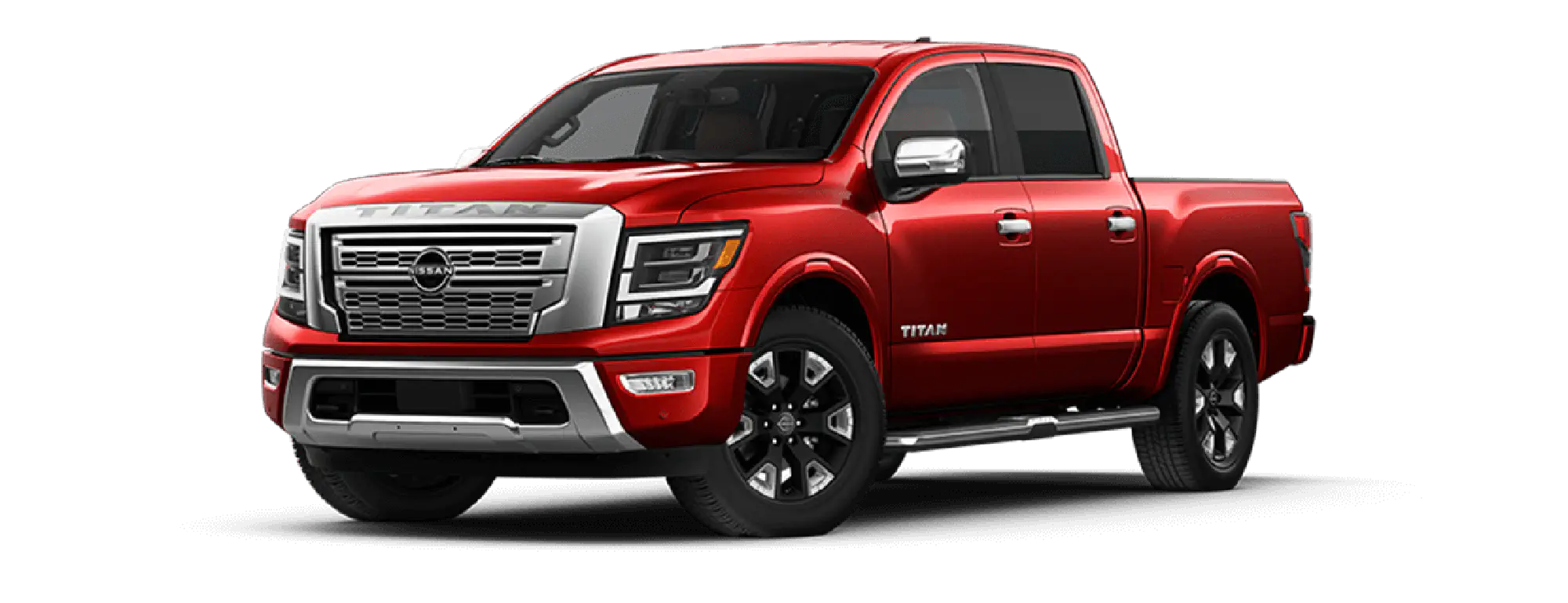
Nissan Titan vs Toyota Tundra Ownership Costs After Warranty
Both the Titan and Tundra are known for durability, but their post-warranty repair cost profiles differ based on engine design, parts availability, and historical reliability trends.
Nissan Titan vs Toyota Tundra ownership cost becomes a major consideration once factory coverage expires and repair responsibility shifts fully to the owner.
Trucks that seem similar upfront can diverge significantly in long-term expenses, especially after 100,000 miles.
When evaluating Titan vs Tundra ownership cost, the biggest factor is how often repairs occur and how expensive those repairs become over time. After 100k miles, both trucks begin to see wear in major systems like suspension, drivetrain, and electronics.
The Toyota Tundra has historically shown fewer major failures, which can reduce long-term ownership volatility. The Nissan Titan, while generally reliable, may experience more frequent component-level repairs as mileage increases.
| Category | Nissan Titan | Toyota Tundra |
|---|---|---|
| Average Annual Repair Cost | $700 - $1,000 | $600 - $900 |
| Major Repair Likelihood | Moderate | Lower |
| Parts Availability | Moderate | High |
| Long-Term Reliability | Good | Very Good |
These differences directly impact truck cost after 100k miles, especially for owners planning to keep their vehicle long term.
Post-warranty repair costs become more noticeable as high-mileage components begin to fail. Both trucks share similar categories of repairs, but costs and frequency can vary.
Common high-cost repairs include:
| Repair Type | Titan Estimated Cost | Tundra Estimated Cost |
|---|---|---|
| Transmission Repair | $3,500 - $5,500 | $3,000 - $5,000 |
| Engine Component Repair | $2,000 - $4,500 | $1,800 - $4,000 |
| Suspension Overhaul | $1,200 - $2,500 | $1,000 - $2,200 |
| Infotainment/Electronics | $800 - $1,800 | $700 - $1,500 |
These post-warranty repair cost ranges highlight why budgeting for ownership beyond factory coverage is critical.
Technical Service Bulletins also play a role in identifying known issues. A TSB is a manufacturer-issued document that outlines known problems, repair procedures, and updated parts. Owners can find TSB reports through the NHTSA website or dealership service departments.
Truck cost after 100k miles increases because wear items transition into failure-prone components. This includes items like water pumps, alternators, and steering components.
For the Nissan Titan, owners often report increased maintenance frequency around drivetrain components and electrical systems. For the Toyota Tundra, costs tend to rise more gradually, with fewer unexpected failures but still higher maintenance needs overall.
Fuel system components, cooling systems, and aging sensors also begin to add to ownership costs on both trucks.
Reducing post-warranty repair costs starts with proactive maintenance. High-mileage trucks benefit significantly from early intervention rather than reactive repairs.
Key strategies include:
Preventative maintenance helps stabilize Titan vs Tundra ownership cost and reduces the likelihood of large, unexpected repairs.
Concern depends on ownership goals. If you plan to keep your truck beyond 100,000 miles, understanding Titan vs Tundra ownership costs is essential.
The Tundra generally offers more predictable long-term expenses, while the Titan may present slightly higher variability in repair frequency. Neither truck is immune to rising costs, but both remain viable long-term vehicles with proper care.
The key difference is how consistent those costs are over time.
As post-warranty repair costs increase, many owners look for ways to stabilize expenses. The best extended warranties can help cover major repairs and reduce financial uncertainty.
Granger Warranty provides OEM-level coverage that follows OEM repair standards and uses genuine parts. This helps ensure repairs are completed to manufacturer specifications rather than cost-driven alternatives.
Learn more about coverage options at Granger Warranty.
Ownership costs typically range between $600 and $1,000 per year, depending on mileage and condition. The Tundra often trends slightly lower due to fewer major repairs.
The Nissan Titan may have slightly higher post-warranty repair costs due to more frequent component repairs, while the Tundra tends to have fewer major issues.
Truck cost after 100k miles increases as components wear out. Repairs become more frequent and more expensive, especially for drivetrain and electronic systems.
Tundra parts are often easier to source due to higher production volume, which can help keep costs more consistent over time.
For many owners, extended coverage helps reduce the financial risk of large repairs and provides more predictable ownership costs.
Rising post warranty repair cost is one of the biggest challenges of owning a high-mileage truck. Unexpected repairs can quickly add up and create financial uncertainty.
OEM-level protection through Granger Warranty helps stabilize Titan vs Tundra ownership cost by covering major components and ensuring OEM-standard repairs.
Explore plans and pricing at Granger Warranty and take control of your long-term ownership costs.
Stay up to date with the latest news from Granger Warranty