Subaru EyeSight System Failures Explained
Subaru EyeSight problems have become a growing concern for some owners as vehicles become increasingly dependent on advanced driver assistance technology.
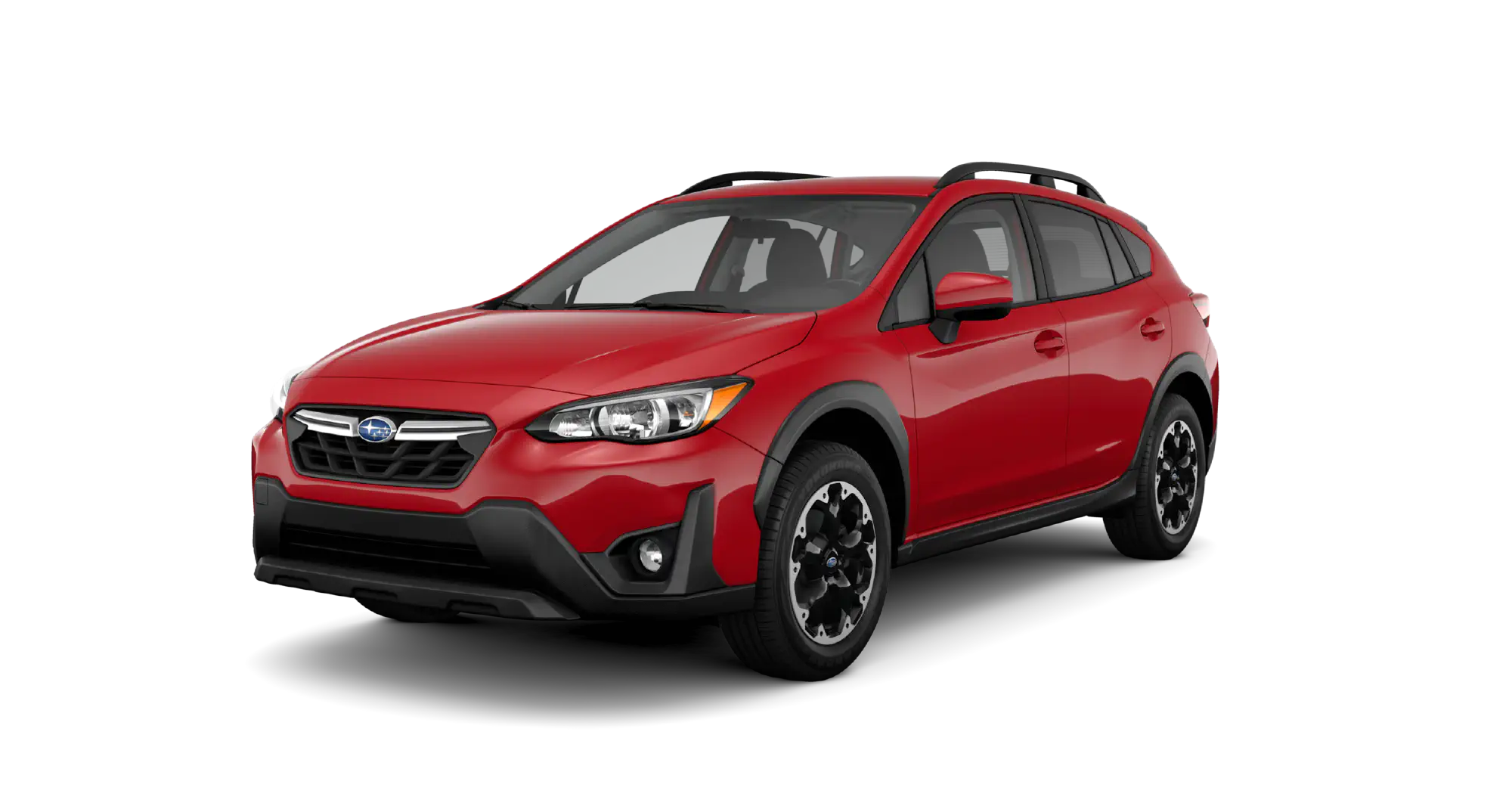
EyeSight is Subaru’s camera-based safety system that supports features such as adaptive cruise control, pre-collision braking, lane departure warning, lane keep assist, and throttle management.
While EyeSight has helped improve safety across the Subaru lineup, system malfunctions can be frustrating and expensive when they occur outside the factory warranty period.
Understanding common failure symptoms, potential repair costs, and preventative maintenance can help owners make informed decisions about long-term vehicle ownership.
Subaru EyeSight relies on dual forward-facing cameras mounted near the windshield. These cameras continuously monitor road conditions and communicate with multiple vehicle systems.
When Subaru EyeSight problems occur, owners may notice warning messages such as:
Common symptoms include:
In many cases, the system disables itself as a safety precaution until the underlying issue is diagnosed and repaired.
Several factors can contribute to Subaru EyeSight problems.
One of the most common causes is windshield replacement. Because the EyeSight cameras must be precisely calibrated, even a minor change in camera alignment can affect system performance.
Other common causes include:
Modern Subaru models integrate EyeSight with numerous vehicle systems. A fault in one component can trigger warning messages throughout the safety system.
Owners should avoid assuming the cameras themselves have failed until a complete diagnostic inspection is performed.
The cost of Subaru EyeSight repair depends on the specific component causing the failure.
| Repair or Service | Typical Cost Range |
|---|---|
| Diagnostic Scan | $100 - $250 |
| Camera Calibration | $300 - $700 |
| Windshield Replacement with Calibration | $800 - $2,000+ |
| Camera Module Replacement | $1,000 - $2,500+ |
| Wiring Repairs | $200 - $1,000+ |
| Sensor Replacement | $300 - $1,500+ |
Luxury trims and newer Subaru models often have higher repair costs because of additional integrated safety technology.
A windshield replacement that appears straightforward can become significantly more expensive once EyeSight recalibration is required.
Many owners discover Subaru EyeSight problems immediately after replacing a windshield.
The EyeSight cameras rely on exact positioning relative to the windshield. Even slight differences in glass thickness, mounting angles, or camera placement can cause the system to malfunction.
For this reason, Subaru recommends using qualified repair facilities familiar with EyeSight calibration procedures.
Proper calibration requires specialized equipment and controlled conditions. Skipping calibration can affect safety system performance and may result in warning lights or disabled features.
Owners researching Subaru EyeSight problems should also review Technical Service Bulletins, commonly known as TSBs.
A TSB is a manufacturer-issued document that identifies known vehicle issues, recommended diagnostic procedures, software updates, or repair methods. Unlike recalls, TSBs do not typically require free repairs, but they provide valuable information for technicians and vehicle owners.
Drivers can find TSB reports through the National Highway Traffic Safety Administration (NHTSA) website, Subaru dealerships, manufacturer service departments, and various automotive repair databases. Reviewing TSBs may help identify known EyeSight issues affecting a specific model year.
Although not every failure can be prevented, several maintenance practices can reduce the risk of EyeSight-related issues.
Keep the windshield clean and free of debris, especially around the camera housing area. Dirt, snow, condensation, and stickers can interfere with camera visibility.
Additional maintenance tips include:
Because EyeSight interacts with multiple electronic systems, maintaining overall vehicle health helps reduce the likelihood of unexpected malfunctions.
For many owners, Subaru EyeSight problems are relatively uncommon. However, repair costs can become significant when failures occur after warranty coverage expires.
Modern safety systems have increased vehicle complexity. Components that once required simple repairs may now require specialized diagnostics, calibration procedures, and advanced electronic testing.
Drivers planning to keep their Subaru beyond the original warranty period should consider the potential financial impact of advanced technology repairs. Even a single camera replacement or windshield calibration can cost hundreds or thousands of dollars.
Understanding these potential expenses allows owners to budget more effectively and avoid unexpected repair bills.
As vehicles become more technologically advanced, repair costs continue to rise. Systems like EyeSight combine cameras, sensors, software, and electronic control modules that can be expensive to diagnose and repair.
For owners who plan to keep their Subaru long term, an extended vehicle protection plan can help reduce exposure to major repair costs after factory coverage ends.
Granger Warranty provides vehicle service contract options designed to help drivers manage unexpected repair expenses. With transparent pricing, nationwide coverage acceptance, and straightforward purchasing options, vehicle owners can explore protection plans that fit their ownership goals.
Learn more about available coverage options at Granger Warranty.
Common causes include camera calibration issues, windshield replacement, software glitches, faulty sensors, wiring problems, and battery-related electrical issues.
Yes. Even small cracks, chips, or distortions near the cameras can interfere with system operation and may trigger EyeSight warning messages.
Repair costs vary widely. Diagnostics may cost $100 to $250, while camera replacement and calibration can exceed $2,500 depending on the model and required repairs.
In most cases, yes. Proper recalibration is essential to ensure the cameras accurately interpret road conditions and safety system functions.
Coverage depends on vehicle age, mileage, and warranty terms. Repairs may be covered during the factory warranty period, while later repairs could become the owner’s responsibility.
Subaru EyeSight technology delivers valuable safety benefits, but like any advanced electronic system, it can develop issues over time. Understanding common failure symptoms, repair costs, calibration requirements, and maintenance practices helps owners prepare for long-term ownership.
Whether you are approaching the end of your factory warranty or simply planning ahead, learning about protection options can help reduce the financial impact of unexpected EyeSight repair bills. Visit Granger Warranty to explore vehicle protection plans and ownership solutions.
Stay up to date with the latest news from Granger Warranty