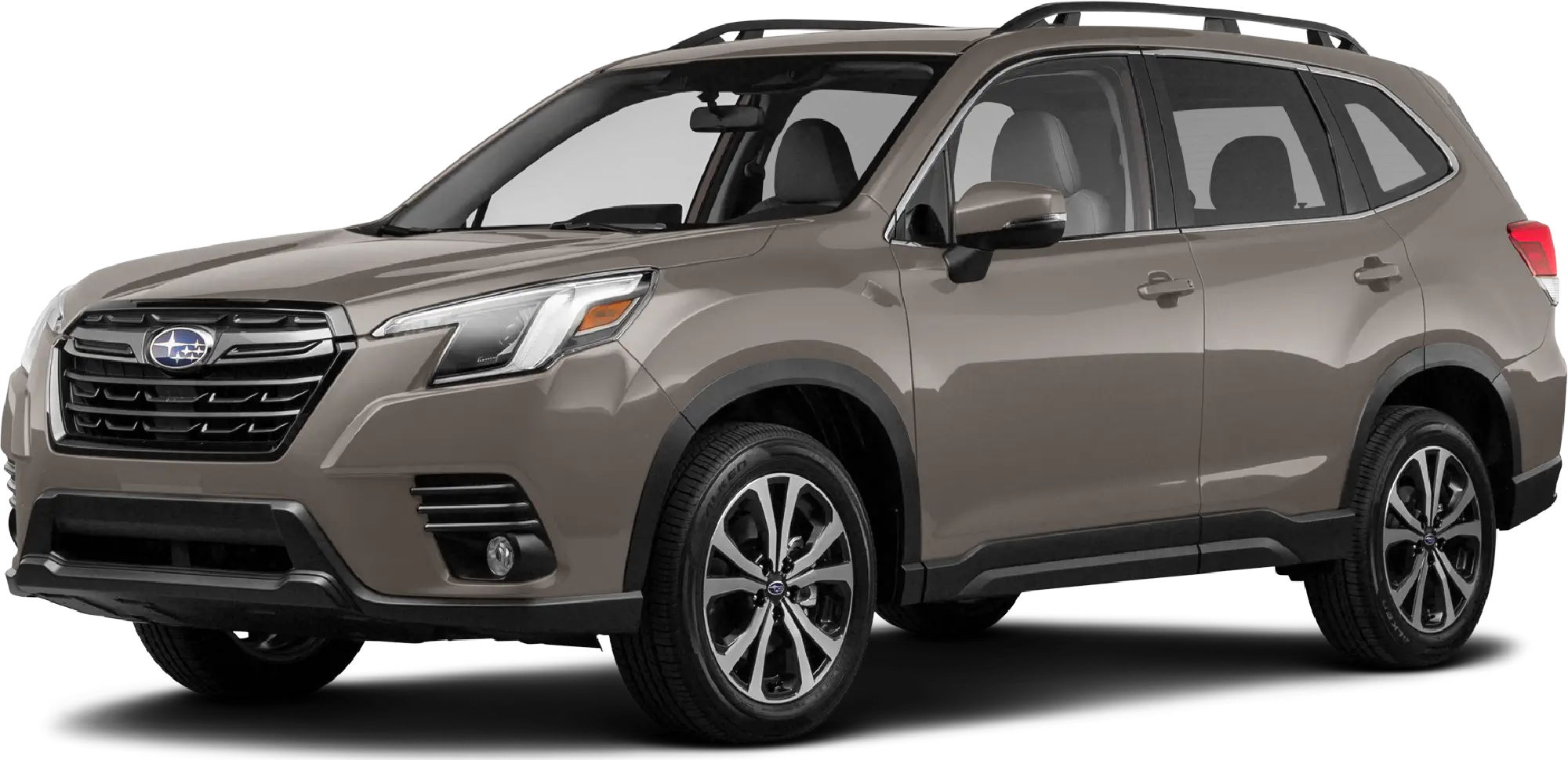
Subaru Forester Reliability After 100,000 Miles
Subaru vehicles have built a strong reputation for durability, all-weather capability, and long-term dependability.
For many owners, reaching six-digit mileage is not an unusual milestone. Understanding Subaru Forester reliability after 100,000 miles can help current and prospective owners prepare for maintenance costs, common repairs, and long-term ownership expectations.
The Forester has consistently ranked among Subaru’s most popular SUVs thanks to its standard all-wheel drive system, practical interior, and strong safety ratings. Like any vehicle, however, age and mileage introduce wear-and-tear items that can impact reliability and ownership costs.
Many Subaru Foresters remain on the road well beyond 150,000 miles and often surpass 200,000 miles with proper maintenance. Modern Foresters generally deliver dependable performance when owners stay current on factory-recommended service intervals.
High-mileage ownership often shifts focus from routine maintenance to larger components that naturally wear over time. Suspension parts, wheel bearings, CV axles, cooling system components, and electronic systems may require attention as mileage accumulates.
Drivers who regularly service their Forester and address small issues early typically experience fewer costly repairs than owners who postpone maintenance.
While Subaru Forester reliability remains strong overall, several components commonly require attention after the 100,000-mile mark.
Common issues may include:
| Component | Common Concern | Typical Mileage Range |
|---|---|---|
| CVT Transmission | Hesitation, shuddering, noise | 80,000-150,000 miles |
| Wheel Bearings | Humming or growling sounds | 80,000-140,000 miles |
| Suspension Components | Worn struts, bushings, control arms | 90,000-150,000 miles |
| Oil Leaks | Valve cover gaskets and seals | 100,000+ miles |
| Battery and Electrical Components | Sensor failures and battery wear | 75,000-150,000 miles |
| Air Conditioning System | Compressor or condenser failures | 100,000+ miles |
Not every Forester will experience these issues, but they represent some of the more frequently reported repair categories among aging vehicles.
CVT-equipped models deserve particular attention. Subaru has improved transmission durability over the years, but some owners report transmission-related concerns as mileage increases.
Repair expenses can vary significantly based on model year, geographic location, and labor rates. Understanding potential costs helps owners budget for long-term ownership.
| Repair | Estimated Cost Range |
|---|---|
| CVT Transmission Diagnosis | $150-$300 |
| CVT Transmission Replacement | $5,000-$9,000 |
| Wheel Bearing Replacement | $400-$900 |
| Strut Replacement | $800-$1,800 |
| Valve Cover Gasket Repair | $400-$1,200 |
| A/C Compressor Replacement | $900-$2,000 |
| CV Axle Replacement | $400-$1,000 |
Although many Foresters avoid major mechanical failures, a single transmission or drivetrain repair can quickly exceed several thousand dollars.
Owners planning to keep their vehicles beyond factory warranty coverage often evaluate protection plans to help manage unexpected repair expenses.
Preventive maintenance plays a major role in maximizing Subaru Forester reliability.
Regular oil changes remain critical for protecting engine components. Following Subaru’s recommended service schedule can help minimize wear and extend engine life.
Additional maintenance practices include:
Maintaining complete service records can also improve resale value and assist technicians when diagnosing future concerns.
Drivers who frequently travel in extreme temperatures, mountainous regions, or heavy traffic conditions should pay even closer attention to maintenance intervals.
Technical Service Bulletins, commonly called TSBs, are communications issued by vehicle manufacturers to dealerships that identify known issues, updated repair procedures, or revised parts recommendations.
A TSB is not the same as a recall. Recalls address safety-related defects and are typically performed at no cost to the owner. TSBs provide guidance for diagnosing and repairing recurring issues that may affect certain model years or production ranges.
Owners can find TSB information through the National Highway Traffic Safety Administration (NHTSA) website, Subaru dealerships, automotive repair databases, and reputable automotive research resources. Reviewing TSBs can help owners identify known concerns affecting their specific Forester model year.
For most drivers, high-mileage Subaru Forester ownership should not automatically be a cause for concern.
The Forester’s reputation for longevity is well established, and many owners continue driving their vehicles well beyond 100,000 miles without experiencing major failures.
Several factors influence long-term reliability:
A well-maintained Forester with documented service records often represents a lower ownership risk than a neglected vehicle with significantly fewer miles.
Buyers considering a used Forester should obtain a pre-purchase inspection and review maintenance records whenever possible.
As vehicles age, repair risks naturally increase. Modern SUVs contain sophisticated electronics, safety systems, sensors, and drivetrain components that can be expensive to diagnose and repair.
Owners approaching or exceeding 100,000 miles frequently begin evaluating extended coverage options to help reduce exposure to unexpected repair bills.
Granger Warranty provides vehicle service contract options for many major vehicle brands and helps drivers compare protection plans that fit their ownership goals. Whether you plan to keep your Forester for several more years or want added peace of mind against costly repairs, understanding available coverage options can be an important part of long-term vehicle planning.
More information can be found at Granger Warranty.
Yes. Many Subaru Foresters remain dependable beyond 100,000 miles when owners follow recommended maintenance schedules and address repairs promptly.
Many Foresters reach 200,000 miles or more. Some owners report exceeding 250,000 miles with proper maintenance and timely repairs.
Transmission replacement is often among the most expensive repairs, with costs potentially ranging from $5,000 to $9,000 depending on the model year and repair facility.
Ownership costs are generally considered reasonable, but high-mileage vehicles may require suspension, drivetrain, and electronic component repairs that increase expenses over time.
For owners planning to keep their vehicle beyond factory warranty coverage, extended protection may help offset the financial impact of major mechanical or electrical repairs.
Subaru Forester reliability remains one of the model’s strongest selling points, even after surpassing 100,000 miles. With proper maintenance, many owners enjoy years of dependable service and excellent all-weather performance.
As repair costs continue to rise, planning for future maintenance and unexpected breakdowns becomes increasingly important. Explore vehicle protection options and ownership resources at Granger Warranty to help make informed decisions about your Forester’s long-term future. Visit Granger Warranty to learn more.
Stay up to date with the latest news from Granger Warranty