Toyota 4Runner Reliability After 200K Miles
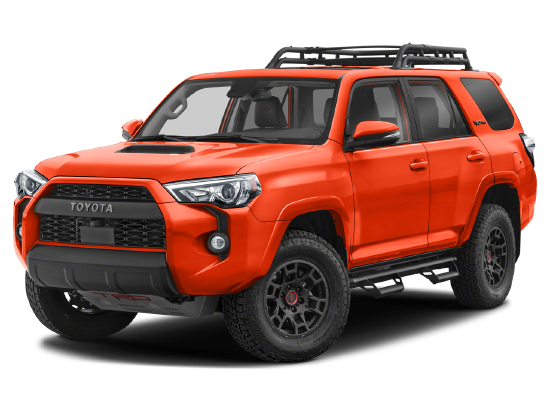
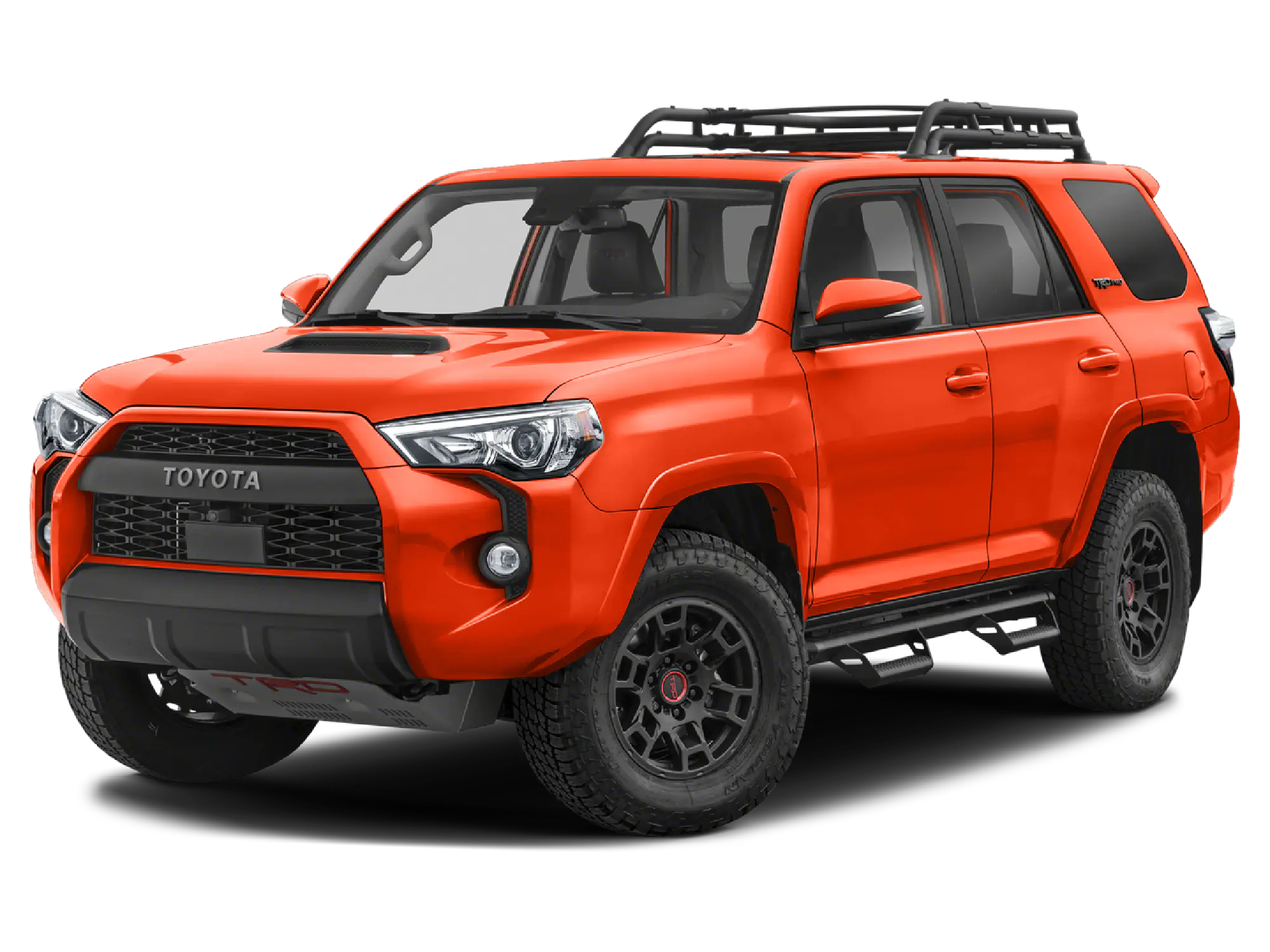
Toyota 4Runner has built a reputation as one of the most dependable SUVs on the road, especially for drivers who plan to keep their vehicle well past 200,000 miles.
For buyers focused on 4Runner high mileage reliability, understanding what happens after that milestone is key to long-term ownership planning.
Unlike many crossovers, the 4Runner uses a body-on-frame design, which contributes to its long-lasting SUV reputation. Combined with Toyota’s durability, this platform is designed to handle heavy use, off-road conditions, and extended ownership cycles.
Reaching 200K miles in a Toyota 4Runner is not unusual. Many owners report 250K to 300K miles with proper maintenance. The powertrain, especially the 4.0L V6, is known for longevity when serviced consistently.
However, high mileage reliability is not just about the engine. Components like suspension, cooling systems, and drivetrain parts begin to show wear after extended use. At this stage, reliability becomes more about maintenance history than original build quality.
Toyota durability plays a major role here. The simplicity of the drivetrain compared to turbocharged or highly complex systems reduces long-term failure risk.
Once a 4Runner crosses 200K miles, several common issues begin to appear. These are not necessarily design flaws, but predictable wear items.
Suspension components such as shocks, control arms, and bushings often require replacement. Owners may notice reduced ride quality or uneven tire wear.
Cooling system components, including radiators and water pumps, can fail due to age. Ignoring these issues can lead to overheating and more serious engine damage.
Transmission longevity is generally strong, but fluid degradation or neglected service can cause shifting issues over time.
Oil leaks from valve cover gaskets or timing covers may also develop as seals age.
Repair costs vary depending on condition and driving history. Below is a general breakdown of common high-mileage repairs:
| Repair Item | Estimated Cost Range |
|---|---|
| Suspension Overhaul | $800 - $2,500 |
| Radiator Replacement | $500 - $1,200 |
| Water Pump Replacement | $600 - $1,500 |
| Transmission Service Or Repair | $300 - $4,000 |
| Oil Leak Repairs | $300 - $1,200 |
While Toyota’s durability helps reduce catastrophic failures, these costs add up over time. Planning for these expenses is essential when evaluating long-term ownership.
Preventive maintenance becomes critical after 200K miles. Owners who stay ahead of wear items typically experience fewer unexpected breakdowns.
Routine fluid changes should never be skipped. This includes engine oil, transmission fluid, differential fluid, and coolant.
Suspension inspections should be performed regularly, especially if the vehicle is used off-road. Replacing worn components early can prevent additional damage.
Cooling system maintenance is another priority. Replacing aging components proactively can prevent overheating issues.
Using OEM parts is important for preserving Toyota’s durability. Aftermarket components may reduce upfront costs but can impact long-term reliability.
For most owners, the answer is no, provided the vehicle has been well maintained. The 4Runner is designed for longevity, and many examples continue to perform reliably beyond 200K miles.
That said, ownership expectations should shift. Repairs become more frequent, and budgeting for maintenance becomes part of the experience.
Drivers who rely on their vehicle daily or take long trips may want to consider protection options to manage repair costs.
A Technical Service Bulletin, or TSB, is issued by manufacturers to address known issues that occur in specific vehicles. These are not recalls, but they provide guidance for diagnosing and repairing common problems.
Owners can find TSB reports through the National Highway Traffic Safety Administration website or by contacting a dealership. Reviewing TSBs can help identify recurring issues and recommended fixes for maintaining Toyota durability.
Owning a high-mileage SUV like the 4Runner often costs less than buying a new vehicle, but expenses still exist.
| Ownership Factor | High Mileage 4Runner | New SUV |
|---|---|---|
| Monthly Payment | $0 | $500 - $900 |
| Annual Repairs | $1,000 - $3,000 | $500 - $1,500 |
| Insurance | Lower | Higher |
| Depreciation | Minimal | Significant |
For many drivers, keeping a 4Runner past 200K miles remains cost-effective despite higher maintenance costs.
As vehicles age, repair costs become less predictable. Factory-aligned coverage helps stabilize ownership expenses by covering major components when failures occur.
Unlike many third-party plans, factory-aligned options focus on OEM repair standards. This means repairs are completed using genuine parts and manufacturer-approved procedures.
Granger Warranty provides nationwide coverage with transparent pricing and no-pressure purchasing. Drivers can review plans online at Granger Warranty and choose coverage that fits their ownership goals.
Many 4Runners exceed 250,000 miles with proper maintenance. Some reach 300,000 miles or more, depending on driving conditions and upkeep.
Yes, but reliability depends heavily on maintenance history. A well-maintained 4Runner can remain dependable, while a neglected one may require significant repairs.
Suspension wear and cooling system issues are among the most common. These are typical aging components rather than major design flaws.
Costs are moderate compared to other SUVs, but they increase with age. Planning for $1,000 to $3,000 annually in repairs is reasonable.
Yes, Toyota durability helps reduce major failures even at high mileage. However, maintenance becomes the most important factor after 200K miles.
Reaching 200,000 miles is a milestone, but it is not the end of the road for a Toyota 4Runner. With proper maintenance and planning, these vehicles can continue delivering reliable performance for years.
For owners looking to reduce financial risk, exploring factory-aligned protection is a practical next step. Visit Granger Warranty to compare coverage options and protect your long-lasting SUV with confidence.
Stay up to date with the latest news from Granger Warranty