Toyota Highlander Hybrid vs Gas Reliability
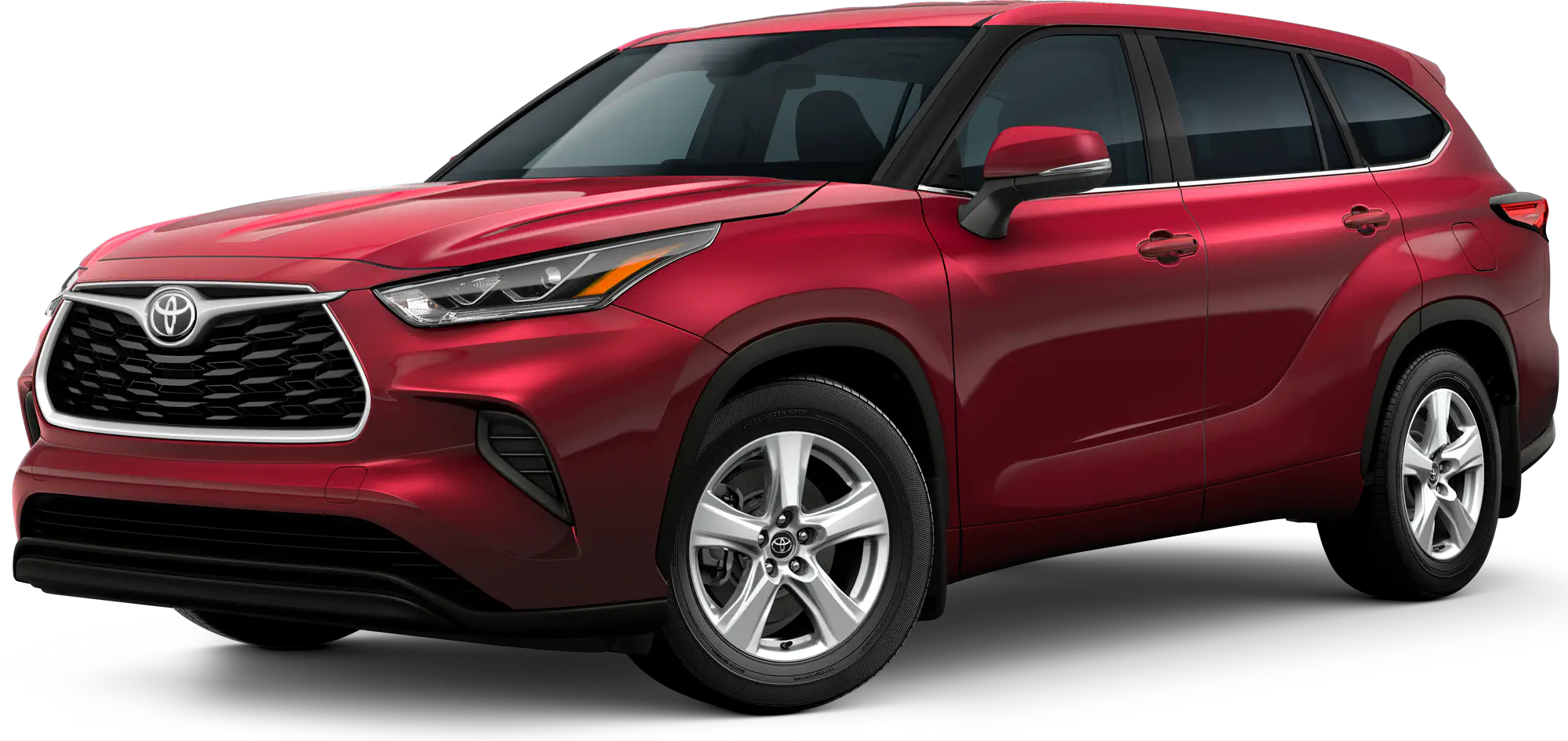
Highlander hybrid reliability has become a major consideration for SUV shoppers trying to balance fuel efficiency, long-term durability, and ownership cost.
Choosing between the hybrid and gas version is less about which is “better” and more about how each system performs over time.
Both powertrains are proven, but they behave differently as mileage climbs. Understanding those differences helps you avoid unexpected repair costs and make a smarter long-term ownership decision.
Toyota has built a strong reputation for reliability across both hybrid and traditional gas engines. The Highlander is no exception, with both variants regularly reaching 200,000 miles when properly maintained.
The hybrid system combines a gasoline engine with electric motors and a battery pack. This setup reduces engine strain in stop-and-go driving, which can actually extend engine life. Meanwhile, the gas-only version relies on a conventional V6 or turbocharged four-cylinder, depending on model year.
From a reliability standpoint, the hybrid often experiences less wear on components like brakes and transmission parts. However, it introduces additional components, such as the battery and inverter, that can become long-term considerations.
When comparing hybrid vs gas SUV cost, the conversation goes beyond fuel savings. Hybrid models typically cost more upfront but can reduce fuel and maintenance expenses over time.
Gas models are simpler mechanically, which can mean lower repair costs early in ownership. However, fuel costs and wear-related maintenance can add up, especially for high-mileage drivers.
Over a 10-year ownership period, many owners find that the hybrid offsets its initial price premium through fuel savings and reduced brake wear. Still, major hybrid component repairs later in life can shift that equation.
Highlander hybrid reliability is generally strong, but there are a few areas owners should understand.
Hybrid battery degradation is the most discussed concern. Most Toyota hybrid batteries last 150,000 to 200,000 miles, but replacement costs can range from $2,000 to $5,000, depending on the model and labor.
Inverter and cooling system components can also fail over time, though these issues are less common. Software updates and proper maintenance often prevent early failures.
On the gas side, issues tend to center around water pumps, ignition components, and transmission wear at higher mileage. These are more predictable and typically less expensive than hybrid system repairs.
Understanding repair exposure is key when evaluating reliability.
| Component | Hybrid Model Cost | Gas Model Cost |
|---|---|---|
| Hybrid Battery | $2,000 to $5,000 | N/A |
| Inverter | $1,500 to $3,000 | N/A |
| Transmission | Rare replacement | $3,500 to $5,500 |
| Water Pump | $400 to $900 | $400 to $900 |
| Brake System | Lower wear | Higher wear |
Hybrid models reduce some wear-related costs but introduce higher-cost components if they fail. Gas models spread costs more evenly across common repairs.
Hybrid longevity depends heavily on consistent maintenance and driving habits.
Keeping the hybrid battery cooling system clean is critical. Blocked vents or overheating can shorten battery life significantly.
Routine fluid changes, including transmission and coolant, help both hybrid and gas models last longer. Even though some hybrid systems are marketed as low-maintenance, fluid degradation still occurs over time.
Driving style also matters. Smooth acceleration and braking reduce strain on both systems and help preserve components.
For most drivers, Highlander hybrid reliability is not a major concern. Toyota has refined its hybrid systems over the decades, and failure rates remain low compared to many competitors.
The bigger consideration is the ownership timeline. If you plan to keep the vehicle beyond 100,000 miles, understanding potential hybrid system costs becomes more important.
Gas models offer predictability and simpler repairs. Hybrid models offer efficiency and reduced wear. Neither is inherently risky, but each comes with different long-term cost patterns.
A Technical Service Bulletin, or TSB, is a document issued by manufacturers to address known issues that are not safety-related recalls. These bulletins provide repair procedures and updated parts information for technicians.
You can find TSB reports through the National Highway Traffic Safety Administration database or through subscription-based services like ALLDATA. Reviewing TSBs can help you understand common issues affecting specific Highlander model years.
Hybrid models often experience less engine and brake wear, which can improve long-term durability. However, they include additional components that may require expensive repairs later in life.
Most hybrid batteries last between 150,000 and 200,000 miles. Proper cooling and maintenance play a major role in achieving maximum lifespan.
Hybrid vehicles typically cost more upfront but can save money through fuel efficiency and reduced maintenance. Long-term costs depend on mileage and repair timing.
Hybrid repairs can be more expensive when major components fail. Gas vehicles tend to have more frequent but lower-cost repairs.
In many cases, hybrid systems last just as long as gas engines when properly maintained. Reduced engine strain can even extend certain component lifespans.
Choosing between hybrid and gas ultimately comes down to how you plan to use your vehicle. High-mileage drivers often benefit from hybrid efficiency, while lower-mileage owners may prefer the simplicity of gas models.
As vehicles become more complex, repair costs continue to rise. Hybrid systems add another layer of technology that can increase financial risk over time.
High-quality coverage can help stabilize those costs by ensuring repairs are completed with OEM parts and consistent standards. Granger Warranty offers transparent, nationwide protection that aligns with how modern vehicles are built and repaired.
Explore coverage options at Granger Warranty to see how extended protection can support long-term Highlander ownership.
Stay up to date with the latest news from Granger Warranty