Toyota Highlander vs Honda Pilot Repair Frequency
Highlander vs Pilot reliability is one of the most searched comparisons for families who want low-maintenance headaches and predictable ownership costs.
Shopping for a dependable three-row SUV often comes down to two familiar names.
Both models have strong reputations, but their repair frequency and long-term maintenance patterns show important differences.
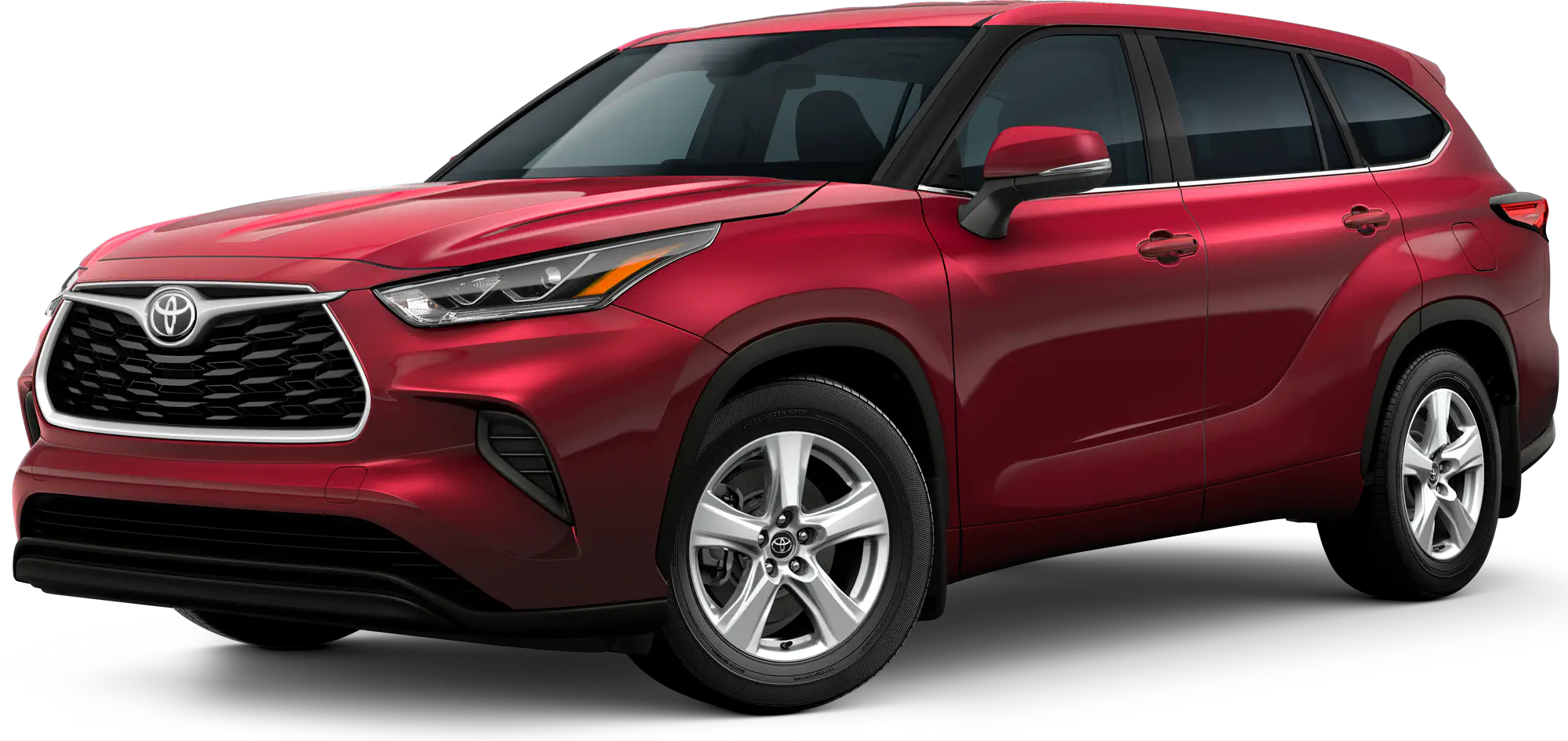
The Toyota Highlander and Honda Pilot are designed for long-term ownership, but they approach reliability differently. The Highlander typically prioritizes conservative engineering and fewer major changes between generations. This often results in lower repair frequency over time.
The Honda Pilot leans more toward performance and updated features. While still reliable, this can introduce slightly higher repair frequency as systems age. For families focused on minimizing shop visits, this distinction matters.
When comparing 3-row SUV reliability, both vehicles perform above average. However, the Highlander generally edges out the Pilot in fewer unexpected repairs per year.
Repair frequency measures how often a vehicle needs unscheduled service beyond routine maintenance. In real-world ownership, Highlanders tend to visit the shop less often for major issues.
Common Highlander strengths include durable transmissions, simple, naturally aspirated engines in many model years, and fewer recurring electrical complaints. Hybrid models also show strong long-term consistency.
Pilot models, especially in certain years, have reported more frequent issues with transmissions, infotainment systems, and torque converter behavior. These are not constant failures, but they can increase overall service visits.
For families tracking annual maintenance interruptions, the Highlander often delivers a slightly more predictable ownership experience.
Understanding what actually fails helps explain repair frequency differences.
Highlander commonly sees:
Pilot commonly sees:
None of these issues are catastrophic in most cases, but they influence how often owners return for diagnosis and repair.
Repair frequency is only part of the equation. Cost per visit also matters for total ownership expense.
Typical repair cost ranges:
| Repair Type | Toyota Highlander | Honda Pilot |
|---|---|---|
| Water Pump Replacement | $600 to $1,100 | $700 to $1,200 |
| Transmission Repair | $3,000 to $5,000 | $3,500 to $6,000 |
| Suspension Components | $300 to $900 | $300 to $1,000 |
| Electrical Diagnosis | $150 to $300 | $150 to $400 |
While both SUVs have similar repair pricing, slightly higher repair frequency in the Pilot can increase cumulative costs over time.
Reducing repair frequency comes down to consistent maintenance habits.
Follow these guidelines:
Preventive maintenance plays a major role in maintaining 3-row SUV reliability regardless of brand.
Neither vehicle should be considered high risk. Both are among the more reliable options in the family SUV segment.
However, if minimizing repair frequency is the top priority, the Highlander tends to offer a slight advantage. If you prefer performance feel and updated features, the Pilot remains a strong choice with manageable maintenance expectations.
Ownership expectations should include occasional repairs after 60,000 to 100,000 miles for both vehicles.
A Technical Service Bulletin, or TSB, is a manufacturer-issued document that outlines known issues, updated repair procedures, or diagnostic guidance for specific vehicles. TSBs are not recalls, but they help technicians identify and fix recurring problems more efficiently.
You can find TSB reports through the National Highway Traffic Safety Administration website or by asking a dealership service department to check your vehicle history. Reviewing TSBs can give insight into known reliability patterns for both the Highlander and Pilot.
In many long-term ownership studies, the Highlander shows slightly lower repair frequency. This translates to fewer unexpected service visits over time.
Both vehicles have similar individual repair costs, but the Highlander may have lower total costs due to fewer repairs.
Some model years have reported transmission and torque converter concerns. Regular fluid service can help reduce risk.
Most Highlander repairs remain moderate in cost. Major failures are less common compared to many competitors.
Both are solid choices, but the Highlander is often preferred for long-term predictability and lower repair frequency.
Repair frequency is one of the most important factors in long-term ownership planning. Even reliable vehicles can develop costly issues as mileage increases.
Superior extended coverage can help stabilize these costs and reduce uncertainty. Plans available through providers like Granger Warranty allow repairs using OEM parts and standardized procedures.
For drivers planning to keep their SUV beyond the factory warranty, exploring coverage options at Granger Warranty can provide added confidence and predictable ownership costs.
Choosing between the Highlander and Pilot ultimately comes down to priorities, but understanding repair frequency helps you make a more informed decision.
Stay up to date with the latest news from Granger Warranty