Toyota Tundra vs Nissan Titan Engine Reliability Compared
Both the Toyota Tundra and Nissan Titan are known for V8 truck reliability, but they take different approaches to engine design, maintenance needs, and long-term durability. Understanding those differences can help owners avoid costly surprises down the road.
Toyota Tundra vs Titan engine reliability is one of the most common questions among truck buyers planning for long-term ownership.
Full-size trucks are often expected to exceed 150,000 miles, and engine durability plays a major role in whether that expectation becomes reality.
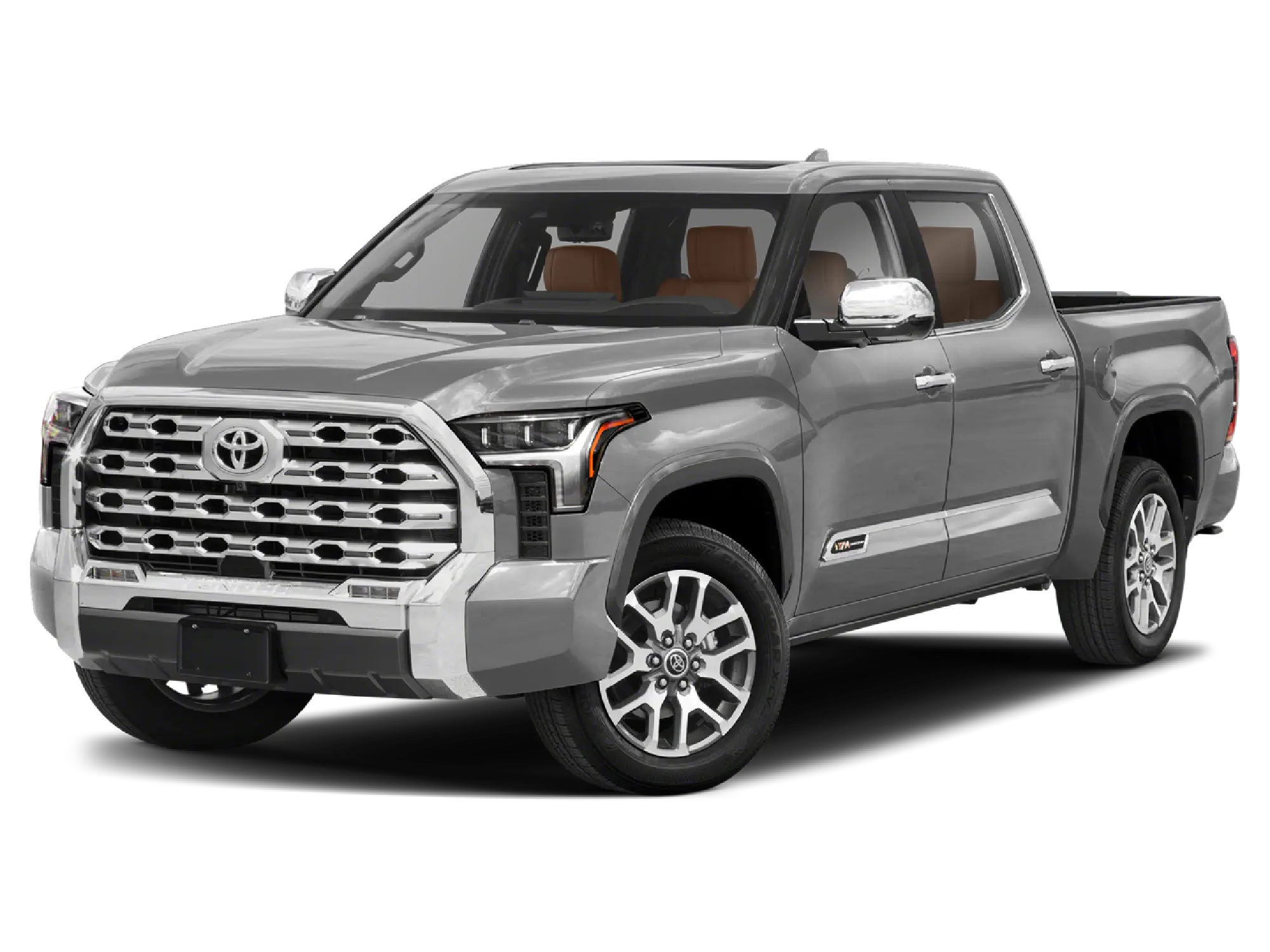
Toyota has built a reputation around conservative engineering and long-term durability. The Tundra’s 5.7L i-FORCE V8, used for over a decade, is widely regarded as one of the most dependable truck engines ever produced.
Nissan’s Titan, powered by the 5.6L Endurance V8, delivers strong performance and solid reliability but has historically seen more variability in long-term ownership outcomes. While many Titans reach high mileage, they tend to require more proactive maintenance along the way.
From a truck engine longevity perspective, Toyota typically prioritizes durability over innovation, while Nissan balances performance with efficiency and cost.
Even the most reliable engines have known issues that can impact long-term ownership.
Toyota Tundra common concerns:
Nissan Titan common concerns:
These issues do not affect every vehicle, but they highlight the importance of maintenance and early diagnosis when evaluating Toyota vs Nissan durability.
Engine repairs can quickly become one of the most expensive aspects of truck ownership, especially beyond 100,000 miles.
| Repair Type | Toyota Tundra Estimated Cost | Nissan Titan Estimated Cost |
|---|---|---|
| Secondary Air Injection Repair | $1,500 to $3,000 | Not Common |
| Timing Chain Replacement | Rare | $2,000 to $4,000 |
| Engine Rebuild | $4,000 to $7,000 | $4,500 to $8,000 |
| Catalytic Converter Replacement | $1,200 to $2,500 | $1,500 to $3,000 |
Diagnosis alone can range from $150 to $300, depending on labor rates and complexity.
As trucks age, labor costs and parts availability become major factors in overall repair expenses.
Preventive maintenance is one of the biggest drivers of long-term engine reliability.
Consistent oil changes are critical. Both engines rely on proper lubrication to prevent internal wear, especially under towing or heavy-load conditions.
Cooling system maintenance is equally important. Overheating can accelerate engine damage, particularly in high-mileage trucks.
Additional tips include:
These habits can significantly extend truck engine longevity regardless of brand.
For most owners, both engines are capable of exceeding 150,000 miles with proper care. However, the Tundra generally has a stronger track record for reaching high mileage with fewer major repairs.
The Titan remains a solid option, particularly for buyers seeking performance and value, but it may require closer attention to maintenance as mileage increases.
Ultimately, the difference in Toyota vs Nissan durability often comes down to consistency. Toyota engines tend to deliver more predictable long-term results, while Nissan engines can vary more depending on usage and upkeep.
Technical Service Bulletins, or TSBs, are manufacturer-issued documents that address known issues and recommended fixes for specific vehicles. They are not recalls, but they provide valuable insight into common problems and repair procedures.
Owners can find TSB reports through the National Highway Traffic Safety Administration database or dealership service departments. Reviewing TSBs can help identify potential engine concerns early and guide proper repairs.
As trucks age, the cost of engine repairs becomes less predictable. Modern engines are complex, and even reliable models can experience expensive failures over time.
The best extended warranties help reduce that uncertainty by covering major components under OEM repair standards. This typically means repairs are completed using genuine parts and factory procedures, which helps maintain long-term reliability.
Providers like Granger Warranty offer transparent, nationwide coverage options that align with how these trucks were engineered to be repaired. You can explore options at Granger Warranty.
In most long-term studies and owner reports, the Tundra engine shows greater consistency and fewer major failures over high mileage.
Both engines can exceed 150,000 to 200,000 miles with proper maintenance, though the Tundra more frequently reaches higher mileage milestones.
Repair costs are comparable to those of other full-size trucks, but certain issues, like timing chain wear, can increase long-term ownership costs.
Regular oil changes, cooling system upkeep, and prompt diagnostics are the most important factors in maintaining engine reliability.
Many of the best extended warranties cover major engine components, helping offset the cost of repairs as vehicles age.
Toyota Tundra vs Titan engine reliability ultimately comes down to how each engine performs over time under real-world conditions. Both trucks offer strong V8 truck reliability, but the Tundra has a slight edge in long-term consistency.
For owners planning to keep their truck well beyond the factory warranty period, understanding potential repair costs and coverage options is essential. High-quality protection can help stabilize ownership costs and ensure repairs are completed to OEM standards.
Learn more about coverage options and long-term protection at Granger Warranty.
Stay up to date with the latest news from Granger Warranty