Vehicles That Last Over 200K Miles Ranked
Today, many vehicles are engineered for long-term durability, but only certain models consistently prove they can go the distance with fewer major repairs.
Reaching 200,000 miles used to be rare.
Understanding which cars last 200k miles can help you make a smarter ownership decision and reduce long-term costs.
Longevity is not just about brand reputation. It comes down to engineering simplicity, proven powertrains, and consistent maintenance. Vehicles with naturally aspirated engines, traditional transmissions, and widespread parts availability tend to rank highest in durability ranking studies.
Driving habits also play a major role. Highway miles are generally easier on a vehicle than stop-and-go driving. Regular oil changes, fluid services, and addressing small issues early can be the difference between a car lasting 120,000 miles and one exceeding 200,000.
Below is a durability ranking based on historical reliability data, owner reports, and long-term maintenance trends.
| Rank | Vehicle | Why It Lasts | Common Strength |
|---|---|---|---|
| 1 | Toyota Land Cruiser | Overbuilt drivetrain | Engine longevity |
| 2 | Toyota Camry | Proven engine reliability | Low repair frequency |
| 3 | Honda Accord | Durable transmission design | Balanced performance |
| 4 | Toyota Corolla | Simple engineering | Low ownership cost |
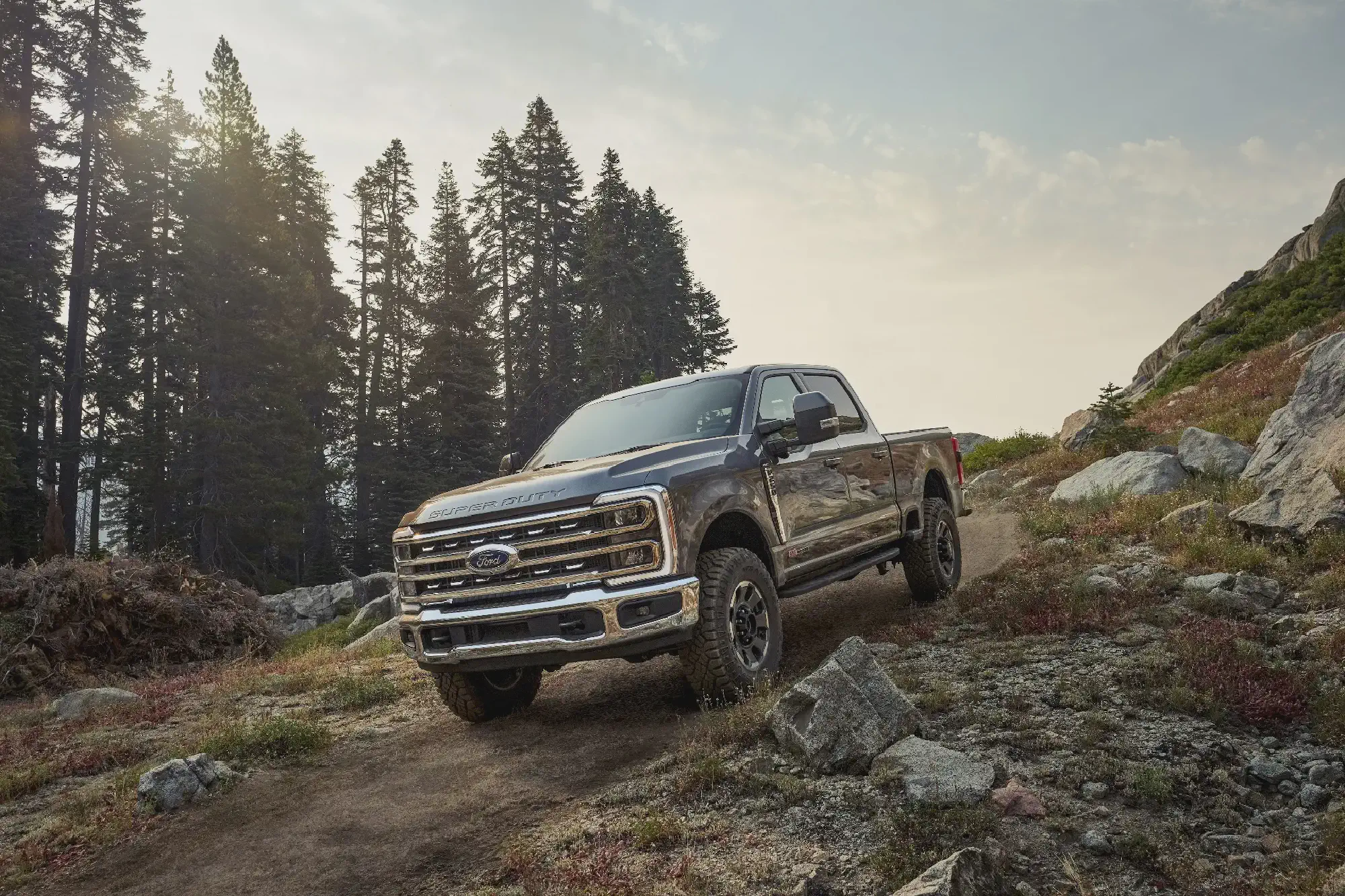
| 5 | Ford F-150 | Strong truck platform | Parts availability |
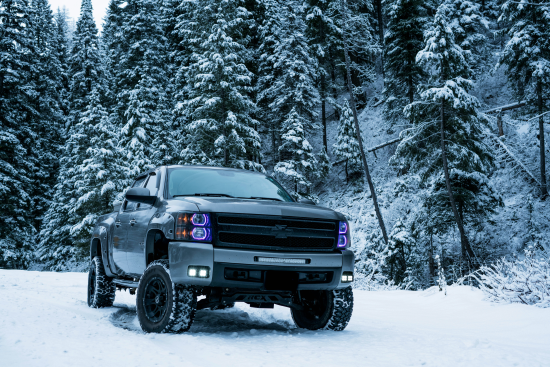
| 6 | Chevrolet Silverado 1500 | Robust V8 engines | Towing durability |
| 7 | Honda CR-V | Efficient powertrain | Low maintenance needs |
| 8 | Toyota 4Runner | Body-on-frame durability | Off-road resilience |
These longest-lasting vehicles consistently appear in high-mileage ownership data. While no vehicle is immune to repairs, these models have a strong track record of exceeding expectations.
Even the most durable vehicles require investment to reach high mileage. The key difference is how predictable and manageable those costs are.
| Repair Or Service | Average Cost |
|---|---|
| Timing Chain Or Belt Service | $800 to $2,000 |
| Transmission Repair | $3,500 to $6,000 |
| Suspension Overhaul | $1,000 to $3,000 |
| Engine Repairs | $2,500 to $7,000 |
Vehicles with strong durability rankings tend to avoid catastrophic failures when properly maintained. However, once a vehicle passes 100,000 miles, the likelihood of higher-cost repairs increases.
Preventive maintenance is the biggest factor in extending vehicle life. Owners who follow service schedules closely often see significantly fewer major repairs.
Key tips include:
Another important factor is staying informed about manufacturer guidance. Technical Service Bulletins provide insight into known issues and recommended fixes.
A TSB, or Technical Service Bulletin, is issued by manufacturers to address common problems identified after a vehicle is released. These are not recalls but can help diagnose issues faster. You can find TSB reports through the NHTSA website or manufacturer service portals.
Owning a vehicle beyond 100,000 miles introduces new risks. Components such as transmissions, electronic systems, and suspension parts are more likely to wear out.
Modern vehicles are also more complex than older models. Advanced driver assistance systems, turbocharged engines, and integrated electronics can increase repair costs even on otherwise reliable vehicles.
This is where understanding durability ranking alone is not enough. Even cars that last 200k miles can experience expensive repairs along the way. Planning for those costs is part of smart ownership.
Extending the life of your vehicle is only part of the equation. Managing repair costs is just as important.
OEM-level extended coverage helps provide predictable ownership costs by covering major repairs as vehicles age. Unlike many third-party plans, the best extended companies follow OEM repair standards and use genuine parts.
Granger Warranty offers transparent, nationwide coverage designed for long-term vehicle ownership. Plans are built around real-world repair risks and allow drivers to maintain their vehicles with confidence.
Learn more about coverage options at Granger Warranty.
Toyota, Honda, and certain full-size trucks from Ford and Chevrolet consistently rank among the most reliable for high mileage. Models with simple, proven powertrains tend to last the longest.
It can be worth it if the vehicle has been well-maintained and major components are still in good condition. Repair costs should be compared to replacement costs before deciding.
Oil changes, transmission service, and cooling system maintenance are critical. Neglecting these areas often leads to the most expensive failures.
No. Many vehicles experience major failures before reaching that milestone. Build quality, maintenance history, and driving conditions all influence longevity.
Trucks are often built for heavier use and can last longer under certain conditions. However, they can also have higher repair costs depending on usage.
Choosing one of the longest-lasting vehicles is a strong first step. Managing long-term repair risk is what ultimately defines the ownership experience.
Great extended warranty coverage helps bridge the gap between reliability and rising repair costs. With transparent pricing, OEM repair standards, and nationwide acceptance, Granger Warranty provides a practical solution for drivers planning to keep their vehicles long term.
Explore plans and pricing at Granger Warranty.
Stay up to date with the latest news from Granger Warranty